

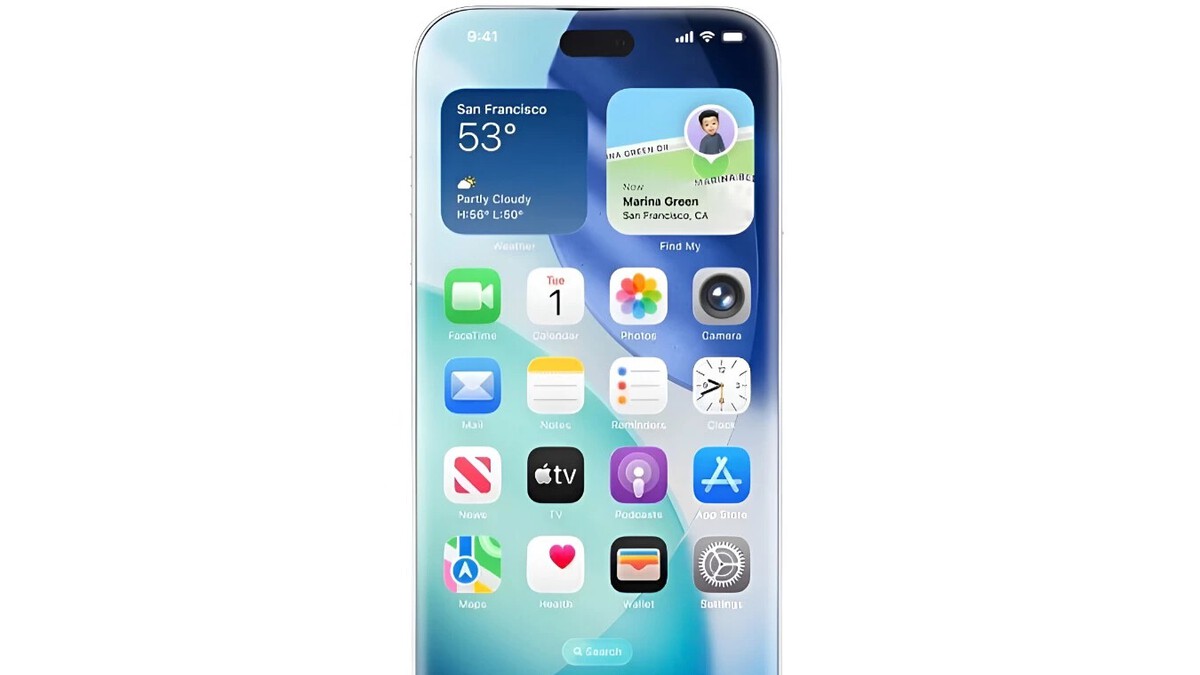
The iPhone 20 anniversary full-screen design is reportedly facing a major hurdle: hiding the selfie camera without sacrificing image quality. According to recent leaks, Apple's ambitious plan for a completely edge-to-edge front may require compromises, as evidenced by the iPhone Duo's under-display camera performance.
For the 10th anniversary of the iPhone in 2017, Apple launched the iPhone X, which removed the Home button and introduced an edge-to-edge display. Now, for the 20th anniversary next year, rumors suggest another major redesign—an iPhone 20, iPhone XX, or whatever it ends up being called—that will push the "all-screen front" promise to its limits. The problem is that it would require cutting corners on selfie camera quality.
Find Original Home Decor sparking conversation at Grand Goldman Shop.

And the iPhone Duo has already shown us the price of such compromises.
The Leak So Far: A Shift in Plans
Before diving in, it's important to note that this is still a leak, so things could change. In fact, the latest information suggests that one of the plans to achieve a completely clean front has already changed. Until now, what we knew pointed in this direction:
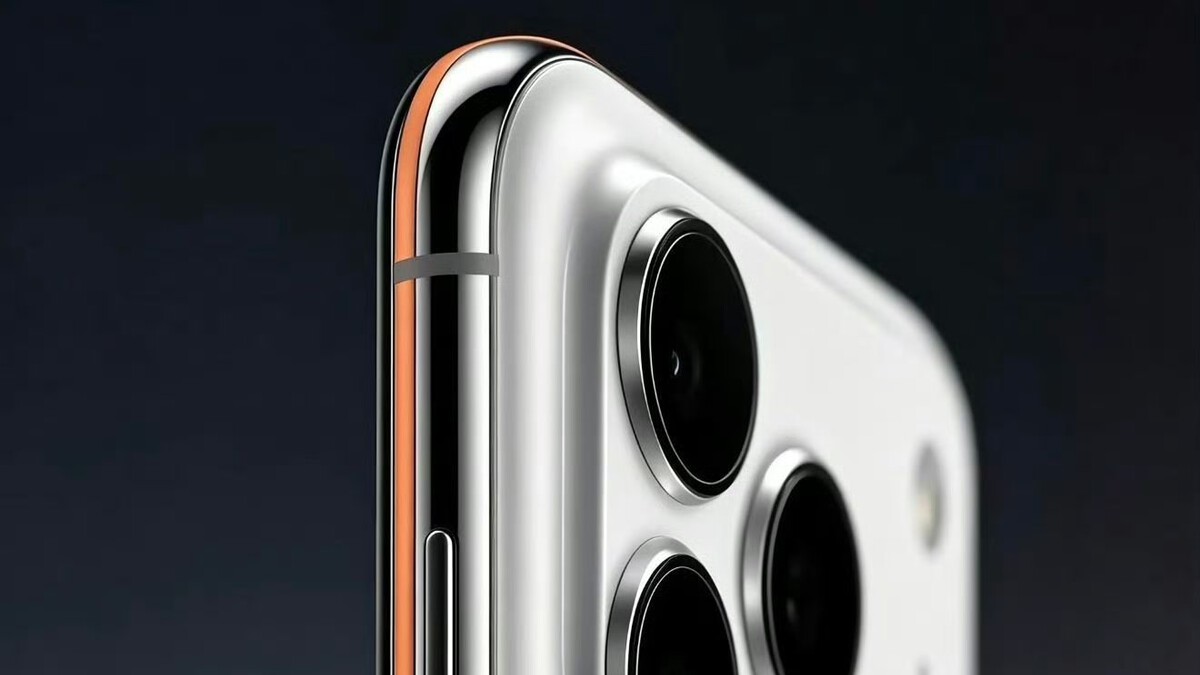
- Under-display Face ID: Apple has already started testing hiding critical Face ID systems under the panel with the iPhone 18 Pro.
- iPhone Duo as a testbed: The inner screen camera is under the panel, and as seen in reviews and numerous tests, the quality leaves much to be desired.
- Not new technology: Under-display cameras have been tried by companies like ZTE in Nubia phones for generations, but visual quality remains imperfect.
- Trade-off: A fully clean front may require sacrificing selfie camera quality, a compromise Apple may not be willing to make.
Why Under-Display Cameras Are Tricky
Under-display cameras work by placing the sensor behind the screen, allowing the display to show content while still capturing images. However, the pixels above the camera affect light transmission, leading to issues like reduced clarity, glare, and washed-out colors. ZTE's Nubia phones have demonstrated this, and early adopters have noted the difference compared to traditional front cameras.
Apple's approach with the iPhone Duo, a foldable device, uses an under-display camera on the inner screen. Reviews indicate that the quality is noticeably inferior to standard selfie cameras, which could be a red flag for the iPhone 20's full-screen ambitions.
The iPhone 20 Anniversary: What to Expect
If Apple sticks to its rumored timeline, the iPhone 20 could arrive in 2027, marking 20 years since the original iPhone. The company is reportedly exploring multiple designs, including one with a completely uninterrupted display. But the selfie camera conundrum remains a key challenge.
Apple has a history of waiting for technology to mature before adopting it. For instance, it wasn't the first to introduce OLED displays or 5G, but it refined them. If under-display cameras don't meet its standards, Apple might delay the full-screen design or find alternative solutions, such as a smaller notch or a different camera placement.
Comparing Under-Display Camera Approaches
Not all under-display cameras are created equal. The table below compares key aspects of under-display camera technology across different devices and Apple's potential implementation.
| Device/Technology | Camera Placement | Key Challenge | Status |
|---|---|---|---|
| ZTE Nubia (various) | Under-display | Reduced light transmission, haze | Available |
| iPhone Duo (inner screen) | Under-display | Image quality below par | Available |
| iPhone 18 Pro (rumored) | Under-display Face ID | Accuracy and security | In development |
| iPhone 20 Anniversary (rumored) | Full-screen with under-display camera | Balancing quality and design | Uncertain |
What This Means for Apple and Users
Apple's brand is built on premium quality, and compromising the selfie camera could tarnish that reputation. Users expect top-notch photos from an iPhone, especially at flagship prices. If the iPhone 20's full-screen design leads to subpar selfies, it might be a hard sell. The background to this story is set out in Apple iPhone 20th Anniversary All-Screen Test Begins With iPhone 18 Pro. A related thread runs through Apple's 20th Anniversary iPhone: A Full Glass Design for 2027. Earlier coverage in iPhone 20th Anniversary: What We Know About Apple's Special Edition shows how the argument developed.
Moreover, the iPhone Duo's under-display camera has already drawn criticism, which could make Apple cautious. The company might opt for a design that keeps a small cutout for the camera while maximizing screen real estate, rather than going completely bezel-free. A closer look at the same subject appears in iPhone Duo Preorders Sell Out Fast: Delivery Dates Slip to 2027. Anyone following the wider picture can start with Apple's Foldable iPhone: Three Generations Planned Through 2028. The same theme surfaces in Best iPhone 2025: Expert Guide to Choosing Your Apple Smartphone, which takes a different angle.
The Road Ahead: What to Watch
As we approach the iPhone 20's rumored launch, keep an eye on Apple's patents and supply chain reports. Improvements in under-display camera technology could change the game. For now, the dream of a truly all-screen iPhone remains just that—a dream, with trade-offs to consider. Context on how this played out before sits in 2026: Best Android Foldable Phones Yet, But What Comes After iPhone Duo. A companion piece, Tony Hall: 50 Years in UK, Yet Facing Deportation by Home Office, approaches the same subject from another angle.
FAQ
What is the iPhone 20 anniversary edition?
The iPhone 20 anniversary edition is a rumored future iPhone expected to launch in 2027, marking 20 years since the original iPhone. It is said to feature a major redesign, possibly with a completely full-screen front and under-display camera technology.
Why is the full-screen design complicated?
The full-screen design requires hiding the selfie camera and Face ID sensors under the display. Current under-display camera technology, as seen in the iPhone Duo, compromises image quality, which is a significant trade-off for Apple.
How does the iPhone Duo demonstrate the trade-off?
The iPhone Duo's inner screen camera is placed under the panel, and reviews indicate that its photo quality is noticeably inferior to traditional selfie cameras. This shows the challenge Apple faces in delivering a full-screen iPhone without sacrificing camera performance.
Will Apple sacrifice selfie quality for a full-screen iPhone?
It's uncertain. Apple typically prioritizes quality, so it may delay the full-screen design until under-display camera technology improves. Alternatively, it might adopt a different approach, such as a smaller notch, to maintain camera performance.
Browse the Shop
 Acacia frida deluxe solid wood bed frame |
Bedroom bench |
Bed chest drawers |
Lingerie dresser |
Frame base |
Mirror with jewelry storage |
30 Bathroom Vanity |
Memory foam queen mattress |
Mattresses for back pain |
Nightstand set of 2 |
Grand Goldman Shop |
Civil Lawyer
Deutschland Trikot WM 2026







