

Robot vacuums in 2026 are no longer just vacuums—they are advanced cleaning systems that mop, empty themselves, and even wash their own pads. The evolution from simple suction bots to multi-function machines has accelerated, with manufacturers focusing on reducing user intervention to near zero.
Two decades after the first robot vacuums hit the market, the real revolution has arrived in the last ten years. The convenience of pressing a button and letting a robot clean for you is undeniable, even if it doesn't always match the thoroughness of manual cleaning. However, users still need to prepare their homes to avoid accidents and ensure optimal performance.
Find Original Home Decor sparking conversation at Grand Goldman Shop.

The Evolution of Robot Vacuums: From Suction to Full-Service Cleaning
The journey began with basic bump-and-run robots that merely vacuumed. Then came models like the Roomba i7+, which introduced a bulky base that not only charged the robot but also emptied its dustbin. This innovation reduced user exposure to allergens and minimized maintenance.
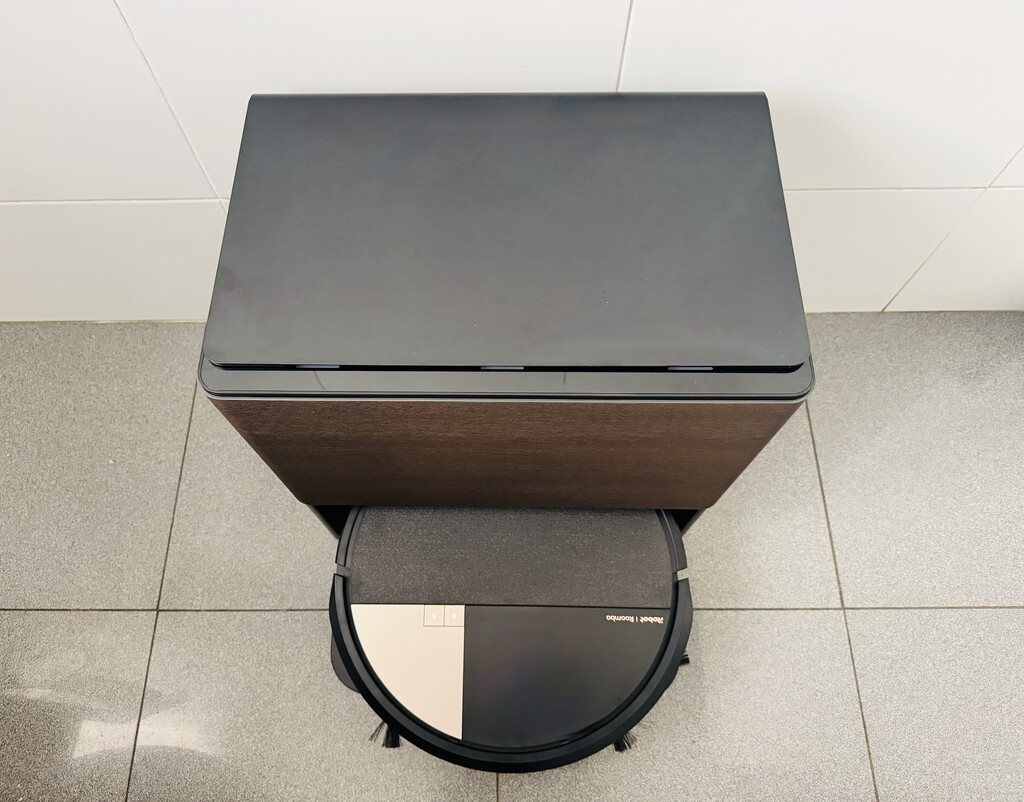
Soon, that multifunction base gained the ability to refill the water tank for mopping, empty the dirty water, and even clean the robot's underside. Today, high-end robot vacuums are essentially autonomous cleaning stations that handle almost every aspect of floor care.
Key Advancements in 2026
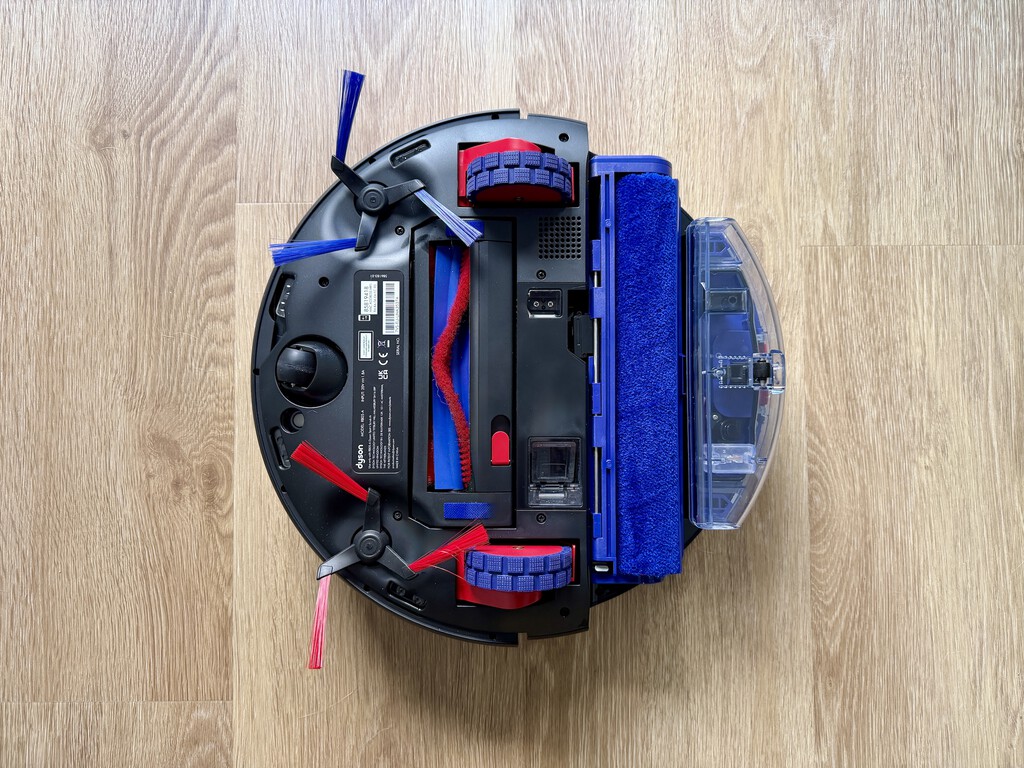
- Self-emptying and self-washing bases: Bases now empty dust, refill and drain water, and wash mop pads automatically.
- Advanced navigation: LiDAR, cameras, and AI enable precise mapping and obstacle avoidance.
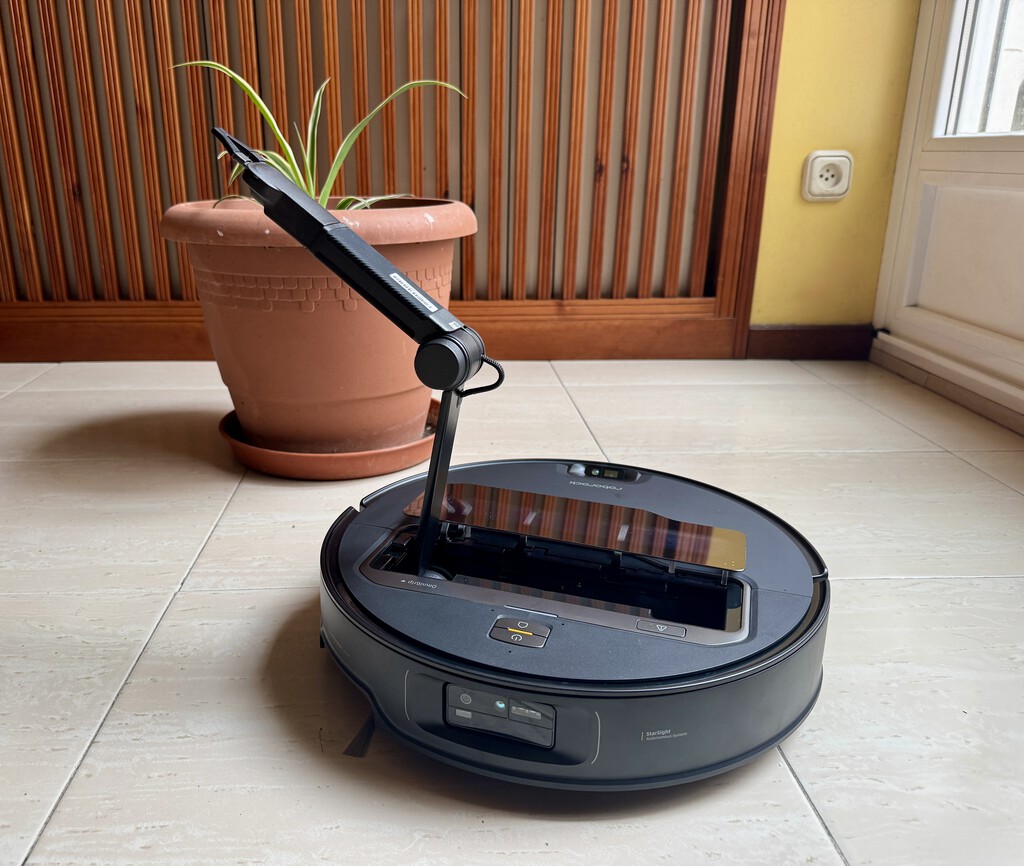
- Extendable limbs: Some robots feature robotic arms to reach corners and under furniture.
- Smart home integration: Seamless connectivity with voice assistants and automation platforms.
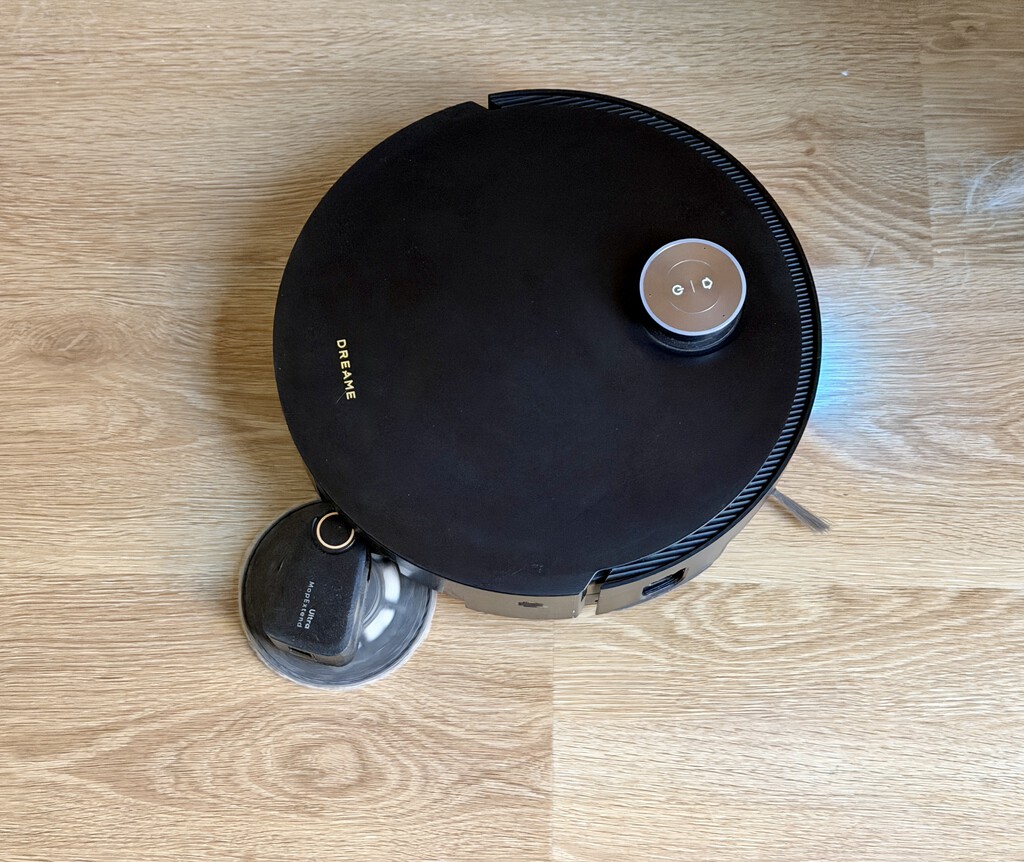
- Improved mopping: Vibrating or rotating pads with water tanks for deeper cleaning.
Why Robot Vacuums Are Becoming More Than Just Vacuums
The shift toward multifunctionality is driven by consumer demand for convenience. Users want to spend less time on maintenance and more time enjoying their homes. Manufacturers have responded by integrating mopping, self-cleaning, and even air purification into robot designs.
Moreover, the COVID-19 pandemic heightened awareness of indoor air quality and hygiene, pushing companies to develop features like UV sterilization and HEPA filtration. As a result, modern robot vacuums contribute to a healthier living environment.
Comparison of Leading Robot Vacuum Features in 2026
| Feature | Entry-Level Models | Mid-Range Models | High-End Models |
|---|---|---|---|
| Self-Emptying Base | No | Yes | Yes |
| Mopping Function | Basic | Yes, with water tank | Advanced, with self-washing |
| Navigation | Bump sensors | Camera/LiDAR | AI-powered LiDAR + camera |
| Extendable Arm | No | No | Yes (some models) |
| Smart Home Integration | Limited | Yes | Extensive |
As the table shows, high-end models offer a comprehensive suite of features that justify their premium price. However, mid-range options now include many formerly high-end capabilities, democratizing advanced cleaning. The background to this story is set out in How China Is Putting AI in Every Home via Robot Vacuums.
Challenges and Considerations
Despite the advancements, robot vacuums still require some preparation. Cables, socks, and pet accidents can cause issues. Manufacturers are addressing this with better obstacle avoidance and no-go zones, but users must remain vigilant. The longer history behind the story is traced in Best Phones 2026: Vote in the Lexus Partners Verisure Awards. More on the surrounding debate is collected in Best Robot Vacuums 2026: My Top Picks Are Not Xiaomi or Roomba.
Additionally, the complexity of these devices means higher repair costs and more electronic waste. Consumers should weigh the benefits against the environmental impact and consider repairability when choosing a model. The background to this story is set out in Dyson's New Robot Vacuums Finally Solve the Corner-Cleaning Problem. A related thread runs through Shark PowerDetect Speed Clean and Empty Pet Pro Review:. Earlier coverage in Bosch PMF Multi-Function Tool Review: New Models for DIY & Pro shows how the argument developed.
The Future of Robot Vacuums: What to Watch
Looking ahead, we can expect further integration with smart home ecosystems, improved battery life, and perhaps even robots that can climb stairs. The line between vacuum and general-purpose cleaning robot will continue to blur. A closer look at the same subject appears in Eufy Omni E28 Robot Vacuum Review: Pro Cleaning with Secret Spill. Anyone following the wider picture can start with Shark PowerDetect Speed Clean Pet Pro Review: Self-Emptying. The same theme surfaces in 8 Smart Solutions for Home Cleaning Problems, which takes a different angle.
As robots take on more tasks, the term "vacuum" may become obsolete. Instead, we might call them "autonomous cleaning assistants" or similar. One thing is certain: they will keep making our lives easier. Context on how this played out before sits in Awning Automation: Smart Motorized Systems for Your Home. A companion piece, Ulez leads to better lung size and function in London children, approaches the same subject from another angle.
FAQ
What are the main advantages of a self-emptying robot vacuum?
A self-emptying base automatically transfers dust from the robot's bin to a larger container, reducing how often you need to empty it. This is especially beneficial for allergy sufferers and those with busy lifestyles.
Do robot vacuums with mopping require special floor types?
Most robot mops work on hard floors like tile, laminate, and hardwood. They are not recommended for carpets unless the mopping function can be disabled or the pad lifted.
How often should I maintain my robot vacuum?
Regular maintenance includes emptying the bin (if not self-emptying), cleaning brushes, and checking sensors. With self-cleaning bases, maintenance is less frequent, but still necessary every few weeks.
Are robot vacuums worth the investment in 2026?
Yes, if you value convenience and have a suitable home layout. They save time and can improve cleanliness, but they may not replace a thorough manual vacuuming entirely.
Browse the Shop
 Acacia frida deluxe solid wood bed frame |
Bedroom bench |
Bed chest drawers |
Lingerie dresser |
Frame base |
Mirror with jewelry storage |
30 Bathroom Vanity |
Memory foam queen mattress |
Mattresses for back pain |
Nightstand set of 2 |
Grand Goldman Shop |
Civil Lawyer
Deutschland Trikot WM 2026







