

A nearly 2,000-year-old Roman souvenir found in Berlanga del Duero, a small village in Soria, Spain, has revealed the remarkable journey of a Celtiberian soldier who traveled from the remote frontier of Hadrian's Wall back to his homeland. The bronze cup, likely a memento of his service, offers a rare glimpse into the lives of ordinary soldiers and the movement of people across the Roman Empire.
Discovery of the Roman Souvenir in Soria
The bronze cup was discovered by chance in Berlanga del Duero, a municipality of about 800 inhabitants. The hemispherical bowl, decorated with enamel, was initially thought to be just another Roman vessel, but closer study has shown it to be something far more significant.
Find Original Home Decor sparking conversation at Grand Goldman Shop.

Dated to the 2nd century AD, the cup is not particularly grand or ancient compared to other Roman finds, but its unique decoration and origin make it a valuable piece of evidence for understanding long-distance travel and personal connections in the Roman world.
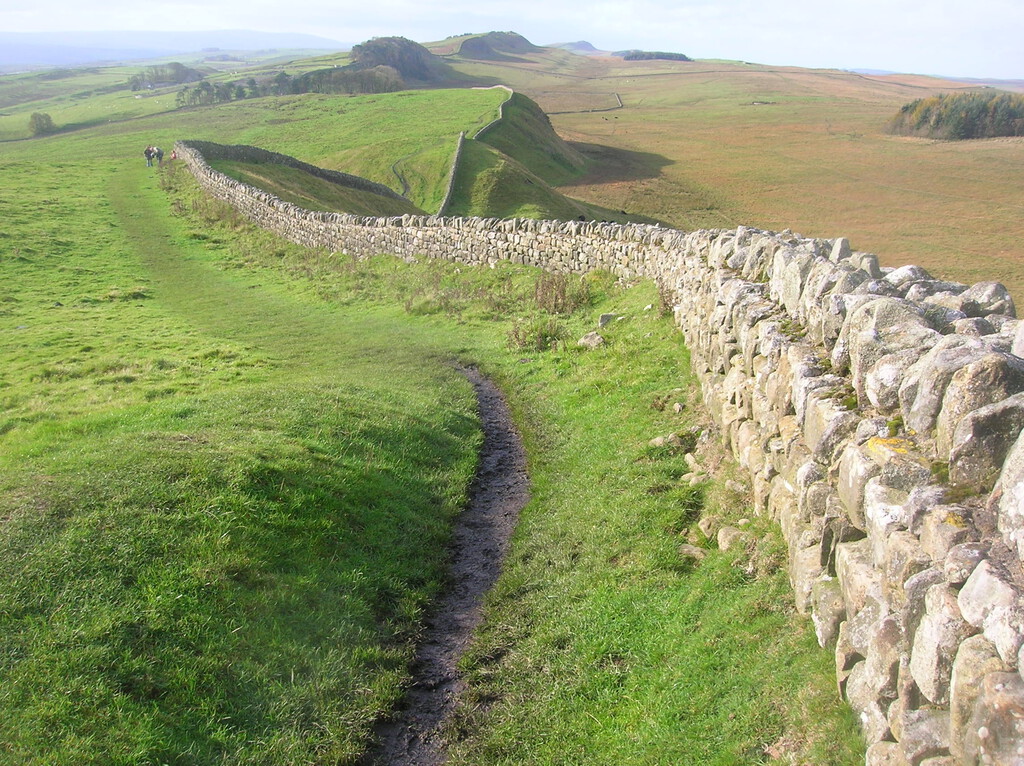
Why This Roman Cup Is a Souvenir
What sets the Berlanga cup apart is its decoration: it features a distinctive enamel pattern that is characteristic of workshops in northern Britain, near Hadrian's Wall. This suggests that the cup was not made locally but was brought to Soria by someone who had traveled from that far-flung frontier.
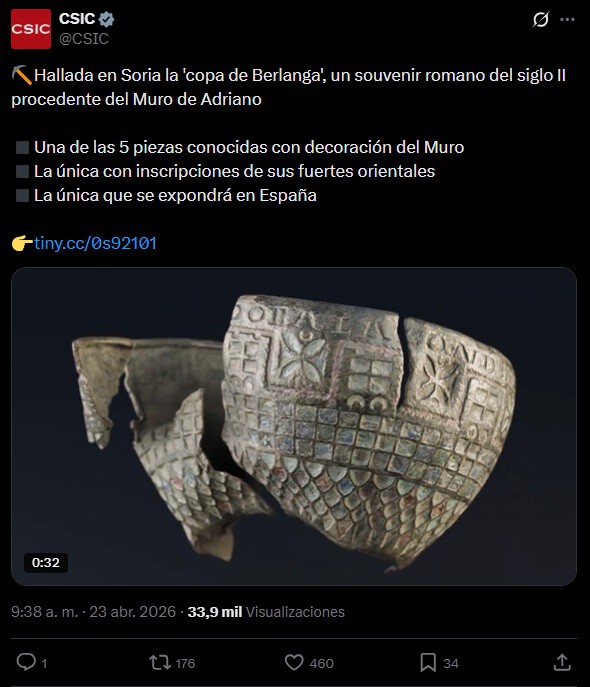
The cup is believed to have been a souvenir—a personal keepsake—of a Celtiberian soldier who served in the Roman army at Hadrian's Wall and returned home after his service. Such mementos were common among soldiers and travelers, who often picked up small items to remember their journeys.
The Celtiberian Soldier and His Journey
The Celtiberians were an ancient people of the Iberian Peninsula who were gradually incorporated into the Roman Empire. Many young men from Hispania joined the Roman legions, serving in distant provinces and earning citizenship and pay.
This particular soldier likely served at Hadrian's Wall, the massive fortification built across northern Britain to protect the empire's northernmost border. After completing his service, he returned to his homeland, bringing with him the bronze cup as a tangible memory of his time on the frontier.
The journey from Hadrian's Wall to Soria would have covered over 1,000 miles, a testament to the mobility and connectivity of the Roman world.
What the Cup Tells Us About Roman Britain
The enamel decoration on the cup is typical of workshops in Roman Britain, particularly in the north. Such items were often produced for soldiers stationed along the wall, serving both as functional vessels and as souvenirs for those who would return home. Context on how this played out before sits in Ancient Roman Souvenir from Hadrian's Wall Found in Soria.
This find adds to a growing body of evidence that soldiers and civilians in Roman Britain maintained strong connections with their homelands, exchanging goods and ideas across the empire. The background to this story is set out in Ancient Roman Bronze Phallus Found at Hadrian's Wall. A related thread runs through Trending: latest articles.
Significance of the Find for Soria and Beyond
The discovery in Berlanga del Duero highlights the region's rich Roman heritage and the importance of chance finds in archaeology. It also underscores the role of ordinary individuals in shaping the cultural landscape of the Roman Empire. Earlier coverage in Ancient Roman Perfume Bottles: The Macabre Glass Dove Ritual shows how the argument developed. A closer look at the same subject appears in Roma's Hidden Gem: 2nd-Century Roman Domus Found Under High School.
For Soria, the cup is a reminder that even small villages can hold extraordinary stories of global connections. It will likely become a focal point for local heritage and tourism, drawing visitors interested in Roman history. Anyone following the wider picture can start with Fall of the Roman Empire: What 494,229 Coins Reveal. The same theme surfaces in Ancient DNA Challenges the Hygiene Hypothesis for Allergies, which takes a different angle.
FAQ
What is the Roman souvenir found in Soria?
It is a bronze cup with enamel decoration, dated to the 2nd century AD, found in Berlanga del Duero. It is believed to be a souvenir brought back by a Celtiberian soldier who served at Hadrian's Wall.
How did the cup get to Soria?
The cup was likely carried by a soldier returning home after serving in the Roman army in Britain. The journey would have covered over 1,000 miles.
Why is this cup important?
It provides tangible evidence of long-distance travel and personal connections in the Roman Empire, showing that ordinary soldiers brought back souvenirs from distant frontiers.
Where can I see the cup?
The cup is currently being studied and is expected to be displayed in a local museum in Soria. Check with the Berlanga del Duero town hall for updates.
Browse the Shop
 Acacia frida deluxe solid wood bed frame |
Bedroom bench |
Bed chest drawers |
Lingerie dresser |
Frame base |
Mirror with jewelry storage |
30 Bathroom Vanity |
Memory foam queen mattress |
Mattresses for back pain |
Nightstand set of 2 |
Grand Goldman Shop |
Civil Lawyer
Deutschland Trikot WM 2026







