

China has reportedly found a vulnerability in the US B-2 Spirit stealth bomber using an algorithm, potentially compromising one of America's most secretive weapons during operations over Iran. This development signals a shift in modern warfare where algorithms and data analysis may rival traditional stealth technology.
The B-2 Spirit: A Pillar of US Stealth
The B-2 Spirit is among the most exclusive and secretive assets in the US arsenal. Only 20 operational units exist, each costing over $2 billion, making it the most expensive aircraft ever built. Its flying-wing design eliminates vertical surfaces and minimizes radar cross-section, while radar-absorbent materials and concealed engines further enhance its stealth.
Find Original Home Decor sparking conversation at Grand Goldman Shop.

For decades, this combination of stealth and range has allowed the B-2 to penetrate dense air defenses and strike strategic targets without detection. It has been the ultimate silent weapon, designed to evade even the most sophisticated radar systems.
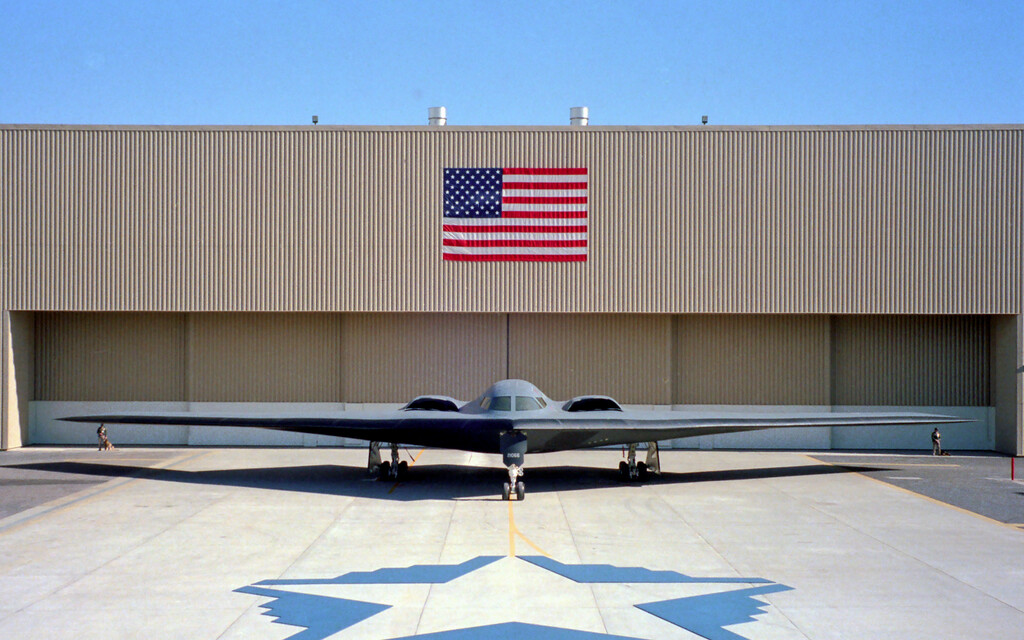
The Algorithmic Threat: How China Allegedly Hacked the B-2
According to reports, China has developed an algorithm capable of tracking and potentially countering the B-2's stealth capabilities. The algorithm analyzes vast amounts of data from satellites, sensors, and other sources to detect patterns and anomalies that traditional radar might miss.
This approach leverages the proliferation of data in modern battlefields. Instead of relying solely on radar, the algorithm correlates seemingly unrelated signals to identify and track stealth aircraft. If proven effective, this could undermine the core advantage of stealth technology.
Why This Matters: The Shift to Algorithmic Warfare
The reported hack highlights a broader shift in military strategy: the rise of algorithmic warfare. In this new paradigm, victory may not go to the side with the most advanced hardware, but to the one that can interpret and act on data faster than the opponent.
Satellites, drones, and ground sensors generate enormous datasets. Algorithms can process this information to detect stealth aircraft, predict their movements, and coordinate countermeasures. This makes stealth less about physical design and more about information dominance.
Implications for US Military Strategy
If China's algorithm is as effective as claimed, the US may need to rethink its reliance on stealth platforms like the B-2. The Pentagon is already investing in next-generation stealth and electronic warfare, but the incident suggests that data-driven counter-stealth is a growing threat.
The US must also consider how to protect its own algorithms and data streams from enemy exploitation. The battle for information superiority is now as critical as the battle for air superiority. The background to this story is set out in UK Police Data on Microsoft Azure Vulnerable to Compromise. A related thread runs through Nexperia Lawsuit Exposes China-Europe Tech Rift. Earlier coverage in Trending: latest articles shows how the argument developed.
What to Watch Next
Military analysts will be watching for official confirmations or denials from both China and the US. Further details on the algorithm's capabilities and the circumstances of the alleged hack are likely to emerge. A closer look at the same subject appears in China's GJ-11 Stealth Drone: The Pilotless Bomber the US Abandoned. Anyone following the wider picture can start with Ukraine's Drone Industry Achieves Historic Self-Sufficiency Without China. The same theme surfaces in Ukraine War Deploys Exoskeletons in Combat for First Time, which takes a different angle.
The incident may also accelerate investments in artificial intelligence and machine learning for military applications, as nations race to gain an edge in algorithmic warfare. Context on how this played out before sits in AI in Warfare: How Algorithms Are Changing War Forever. A companion piece, China's Algorithm Hack Exposes US B-2 Stealth Weakness, approaches the same subject from another angle.
Key Takeaways
- China reportedly used an algorithm to track and potentially compromise the B-2 stealth bomber.
- The B-2 is the most expensive aircraft ever built, with only 20 units in operation.
- Algorithmic warfare leverages big data and sensors to counter stealth technology.
- The US may need to adapt its strategy to protect stealth assets and data streams.
- This event underscores the growing importance of AI and data analysis in modern conflict.
Comparison of Stealth vs. Algorithmic Detection
| Aspect | Traditional Stealth (B-2) | Algorithmic Detection |
|---|---|---|
| Primary Method | Radar-absorbent materials, flying-wing design | Data correlation from multiple sensors |
| Key Advantage | Low radar cross-section | Pattern recognition and anomaly detection |
| Cost | Over $2 billion per aircraft | Investment in AI and data infrastructure |
| Vulnerability | Advanced radar and sensor networks | Data gaps and false positives |
| Example | B-2 Spirit | China's reported algorithm |
FAQ
What exactly did China's algorithm do to the B-2?
What exactly did China's algorithm do to the B-2?
Reports suggest the algorithm was able to track or detect the B-2 during operations over Iran by analyzing multiple data sources, potentially compromising its stealth. However, details remain classified and unconfirmed by official sources.
Why is the B-2 so important to the US military?
Why is the B-2 so important to the US military?
The B-2 is a long-range stealth bomber capable of penetrating advanced air defenses and delivering nuclear or conventional payloads. Its stealth and range make it a key strategic asset for power projection.
How does algorithmic warfare change stealth technology?
How does algorithmic warfare change stealth technology?
Algorithmic warfare uses big data and AI to detect patterns that traditional radar might miss, potentially reducing the effectiveness of stealth. It shifts the focus from physical stealth to information dominance.
What should we expect next in this arms race?
What should we expect next in this arms race?
Both the US and China are likely to invest more in AI, data analytics, and counter-stealth technologies. The incident may accelerate the development of next-generation stealth and electronic warfare capabilities.
The reported algorithm hack is a wake-up call for the US military, which must now balance stealth with information security. As data becomes the new battleground, the ability to protect and exploit information will be as crucial as the hardware on the field. For a closer look at how China is pushing technological boundaries, see how China's 582-ton magnet for artificial sun fusion energy showcases the country's ambitious research.
Such advances in energy and materials science could have dual-use applications, including military tech. The fusion magnet project demonstrates China's growing prowess in large-scale engineering, which may indirectly support defense innovations. Understanding these developments provides context for the broader technological competition.
As nations race to develop AI and quantum computing, the line between civilian and military technology blurs. The fusion magnet is a prime example of how fundamental research can yield strategic advantages. Keeping an eye on such projects helps anticipate future shifts in global power dynamics.
Browse the Shop
 Acacia frida deluxe solid wood bed frame |
Bedroom bench |
Bed chest drawers |
Lingerie dresser |
Frame base |
Mirror with jewelry storage |
30 Bathroom Vanity |
Memory foam queen mattress |
Mattresses for back pain |
Nightstand set of 2 |
Grand Goldman Shop |
Civil Lawyer
Deutschland Trikot WM 2026







