

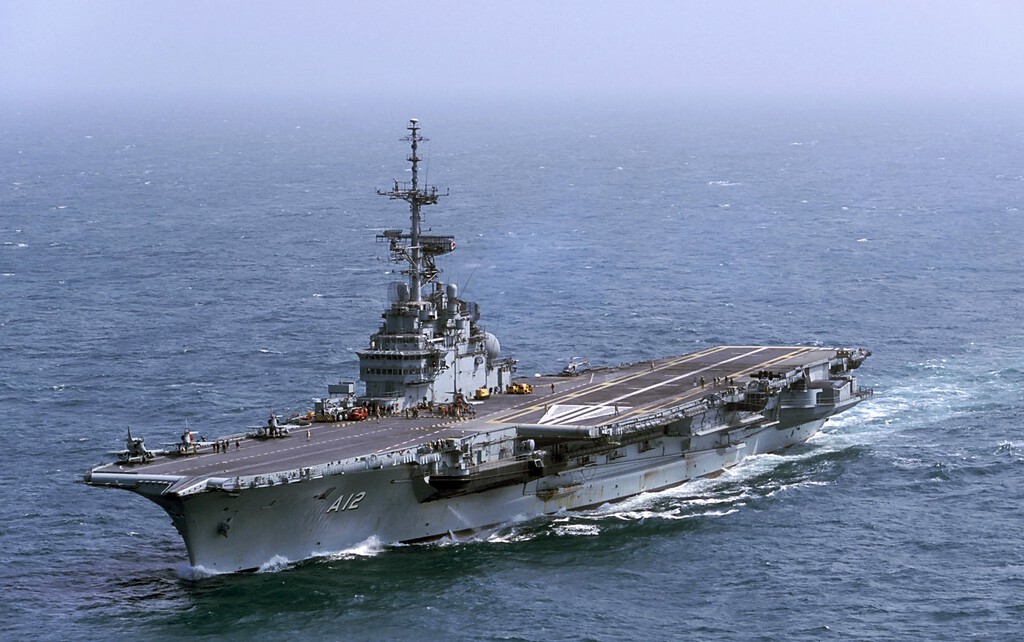
In 2000, France sold Brazil a 265-meter aircraft carrier with a toxic surprise that would haunt both nations for decades. The vessel, originally the French Navy's Foch, ended up at the bottom of the Atlantic Ocean 23 years later after a saga involving asbestos contamination, international refusals, and a controversial sinking. This is the story of how a symbol of naval power became an environmental liability.
The Foch: A Symbol of French Naval Power
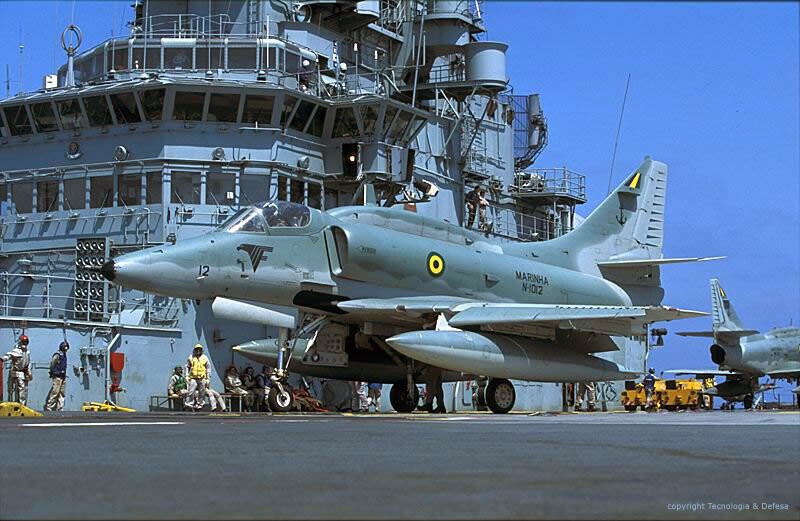
The Foch was not just any ship. Commissioned in 1963 alongside its sister ship Clemenceau, it served as one of the cornerstones of France's naval power for nearly four decades. With a flight deck stretching 265 meters, it could carry around 2,000 crew members and approximately 40 aircraft.
Find Original Home Decor sparking conversation at Grand Goldman Shop.

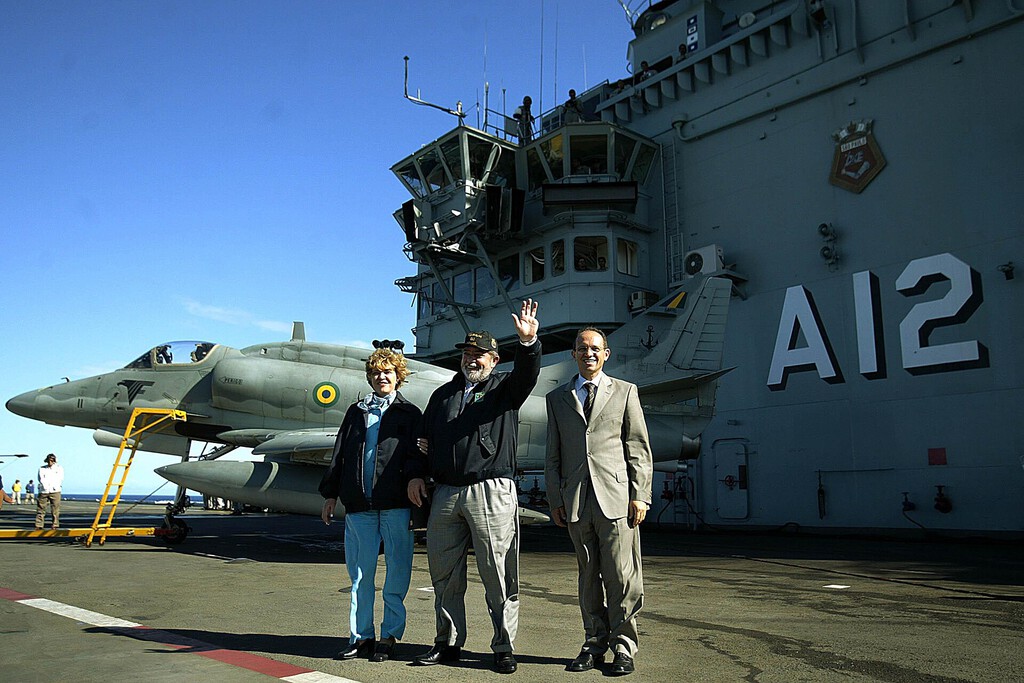
Its service record was impressive, spanning from France's nuclear tests in the Pacific to operations in Lebanon and the Balkans. When the Charles de Gaulle entered service as its replacement, France sought a second life for the veteran carrier. Brazil stepped in, purchasing the ship in 2000 for about $12 million and renaming it São Paulo.
The Hidden Problem: Asbestos Contamination
France did not simply sell 30,000 tons of steel. Before the transfer, French authorities had undertaken asbestos removal and decontamination work, but the process was incomplete. As a result, hazardous materials remained inside the massive structure.
Asbestos, a known carcinogen, was commonly used in shipbuilding for insulation and fireproofing. The exact quantity left on board the São Paulo has been a matter of dispute, but its presence was undeniable. This hidden legacy would later become a major obstacle.
Brazil's Struggle to Decommission the Carrier
After years of service, Brazil decided to decommission the São Paulo. The obvious solution was to scrap the ship, but that proved easier said than done. The presence of asbestos made dismantling a complex and costly affair.
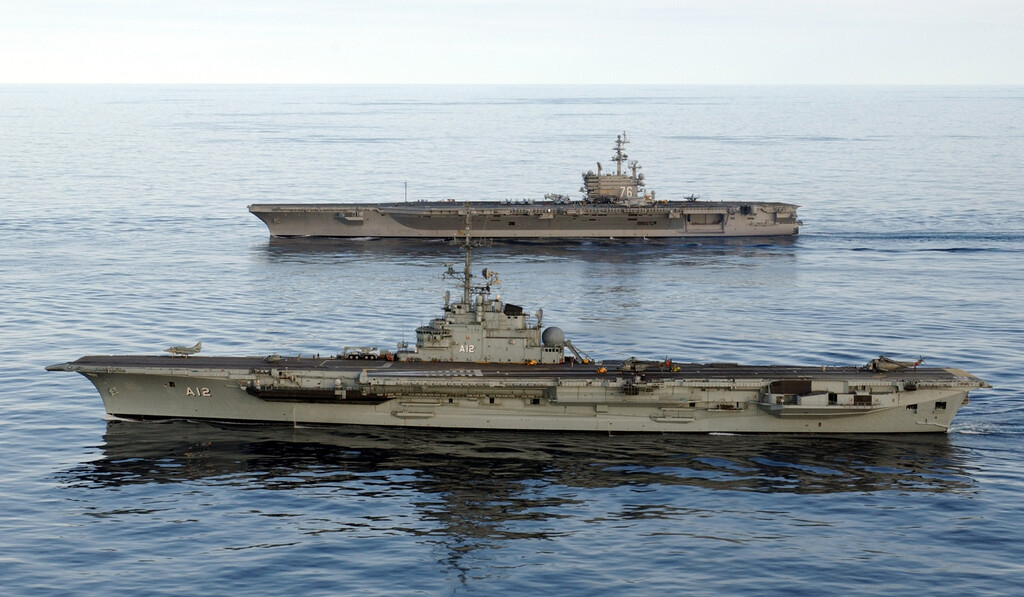
Brazil initially turned to Turkey, where a shipbreaking yard agreed to take the vessel. However, Turkish authorities refused entry, citing environmental concerns over the asbestos. The ship was left in limbo, circling the Atlantic while Brazil searched for a solution.
The Controversial Sinking
With no country willing to accept the toxic ship, Brazil made a drastic decision: to sink it deliberately. In 2023, the São Paulo was towed out into the Atlantic and scuttled, coming to rest about 5,000 meters below the surface.
The sinking raised environmental eyebrows. While Brazil argued that the deep ocean would contain the hazardous materials, critics warned of potential risks to marine ecosystems. The exact amount of asbestos still on board remains unknown, adding to the controversy. The background to this story is set out in US Aircraft Carrier Arrives in Middle East to Relieve USS Lincoln. A related thread runs through Trump Orders Steam Catapults for Navy Aircraft Carriers. Earlier coverage in Trump Orders Steam Catapults for New Aircraft Carrier shows how the argument developed.
Key Takeaways from the São Paulo Saga
- Incomplete decontamination: France's asbestos removal was not thorough, leaving toxic materials on board.
- International rejection: Turkey refused to scrap the ship due to environmental concerns.
- Environmental controversy: Sinking the carrier raised questions about deep-sea disposal of hazardous waste.
- Financial burden: Brazil faced significant costs and logistical challenges in disposing of the vessel.
- Legal and ethical questions: The case highlights gaps in international regulations for toxic ship disposal.
Comparing the Foch and São Paulo
| Attribute | Foch (French Navy) | São Paulo (Brazilian Navy) |
|---|---|---|
| Commissioned | 1963 | 2000 (acquired from France) |
| Length | 265 meters | 265 meters |
| Crew Capacity | ~2,000 | ~2,000 |
| Aircraft Capacity | ~40 | ~40 |
| Decommissioned | 2000 | 2017 |
| Fate | Sold to Brazil | Sunk in Atlantic, 2023 |
What This Means for Military Surplus Disposal
The São Paulo case is a cautionary tale for nations selling or disposing of military vessels. It underscores the importance of thorough decontamination and the need for clear international protocols. Asbestos, once a miracle material, continues to create liabilities long after ships retire. A closer look at the same subject appears in China's Type 004 Aircraft Carrier: A Technological Leap at Dalian Shipyard. Anyone following the wider picture can start with Asbestos in Play Sand: Australia Recall Risks Exposed. The same theme surfaces in London Tube Toxic Dust Risk: Whistleblower Exposes Asbestos Hazar, which takes a different angle.
For Brazil, the sinking was a costly end to a proud vessel. For France, it raises questions about the completeness of its decontamination efforts. And for the environment, the long-term effects of dumping toxic waste in the deep sea remain uncertain. Context on how this played out before sits in World Cup Semifinal Demons Haunt Spain, France, Argentina, Englan. A companion piece, France Wildfires: Climate Crisis Ignites Political Debate, approaches the same subject from another angle.
FAQ
Why did Brazil sink the aircraft carrier instead of scrapping it?
Brazil chose to sink the carrier after Turkey refused to accept it for scrapping due to asbestos contamination. With no other country willing to take the toxic ship, sinking it in deep water was seen as the only viable option, despite environmental concerns.
How much asbestos was left on the São Paulo?
The exact quantity of asbestos remaining on the São Paulo is disputed. France had performed decontamination work before the sale, but it was incomplete. Estimates vary, and the true amount may never be known.
What was the environmental impact of sinking the carrier?
The environmental impact is uncertain. Brazil argued that the deep ocean would contain the hazardous materials, but critics warned of potential risks to marine life. The sinking occurred at a depth of about 5,000 meters, where conditions are extreme and poorly studied.
Could France be held responsible for the asbestos?
There have been no formal legal actions, but the case raises questions about France's responsibility. The sale included decontamination efforts that were incomplete, and the exact terms of the agreement remain unclear. It highlights the need for stricter international regulations on toxic waste in military surplus.
Browse the Shop
 Acacia frida deluxe solid wood bed frame |
Bedroom bench |
Bed chest drawers |
Lingerie dresser |
Frame base |
Mirror with jewelry storage |
30 Bathroom Vanity |
Memory foam queen mattress |
Mattresses for back pain |
Nightstand set of 2 |
Grand Goldman Shop |
Civil Lawyer
Deutschland Trikot WM 2026







