

Honda has filed two unique patents for clutchless motorcycle systems, giving riders the freedom to decide whether to keep the manual clutch or go automatic. This move signals a potential end to the traditional clutch lever, but with a twist: Honda wants riders to choose.
The clutch has long been a controversial element in motorcycling. For many, it's essential to the experience of total control—part of the coordinated choreography of throttle, lever, and pedal. For others, it's a barrier to jumping on and enjoying high-capacity models to the fullest. In an industry where technology aims to improve efficiency and assist the user, an uncomfortable question arises: is it time to retire the manual clutch?
Find Original Home Decor sparking conversation at Grand Goldman Shop.

Why Honda Is Exploring Clutchless Technology
In the car world, the manual transmission is becoming a relic for purists and nostalgics. But in motorcycling, where the connection with the machine is above all emotional, the approach must be entirely different. Honda, always attentive to the feelings of the riding community, recognizes that there is no single type of motorcyclist.
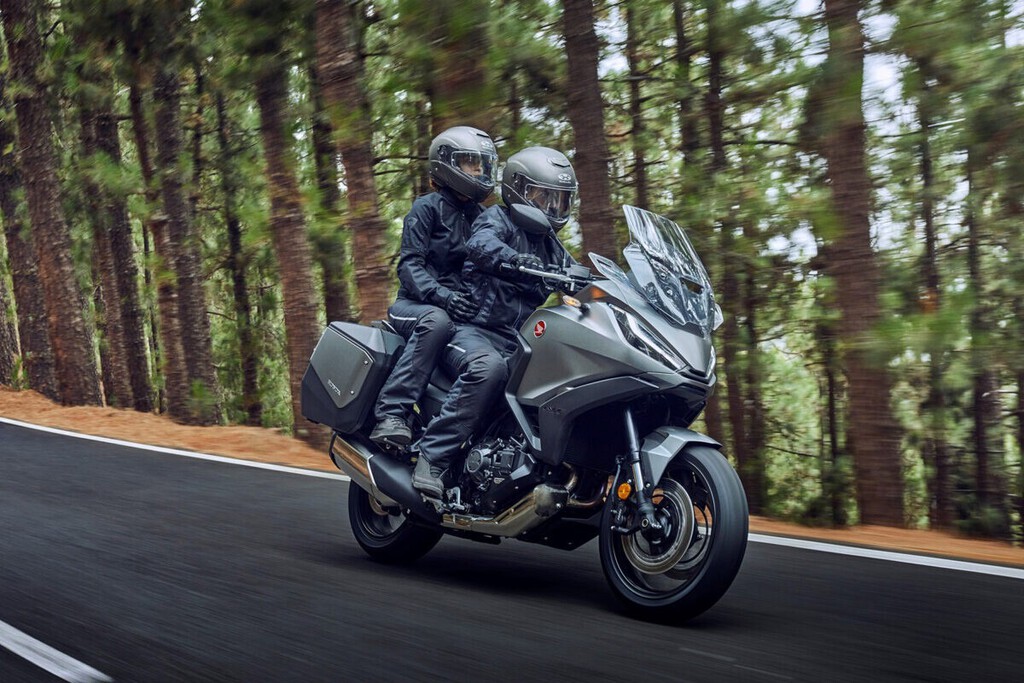
That's why the Japanese manufacturer has opened several technological paths over the years, always with the premise of preserving the most genuine sensations. Until recently, riders had to choose between the authenticity of manual transmissions or the convenience of automatics. Honda's new patents suggest a third way: a system that can offer both, depending on the rider's preference.
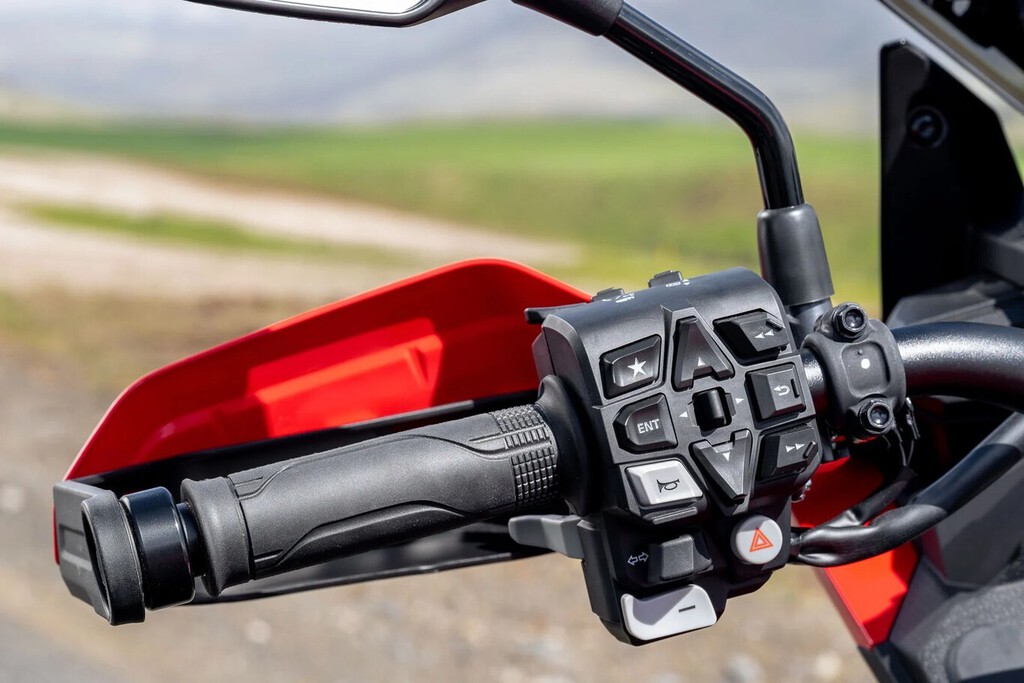
What the Two Patents Reveal
According to the source article, Honda has patented two distinct clutchless systems. While the exact technical details are not fully disclosed, the patents indicate that Honda is developing solutions that could allow riders to switch between manual and automatic clutch operation.
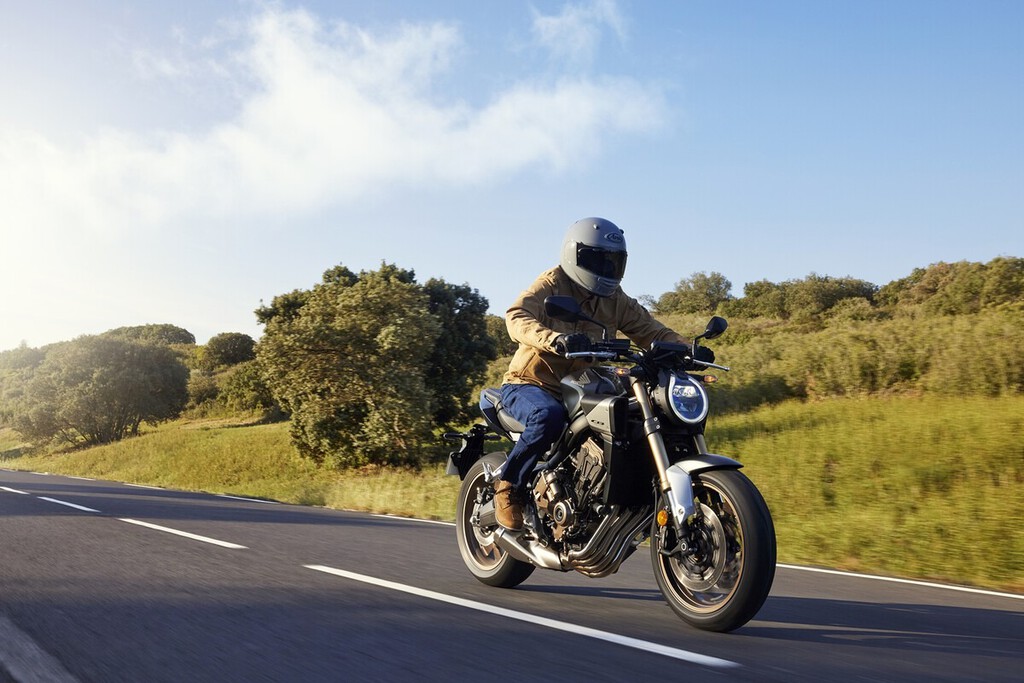
This dual approach is significant because it addresses the core dilemma: many riders fear losing the engagement and control that a manual clutch provides, while others welcome the ease of an automatic. By offering both, Honda could satisfy a broader range of riders without forcing a single solution.
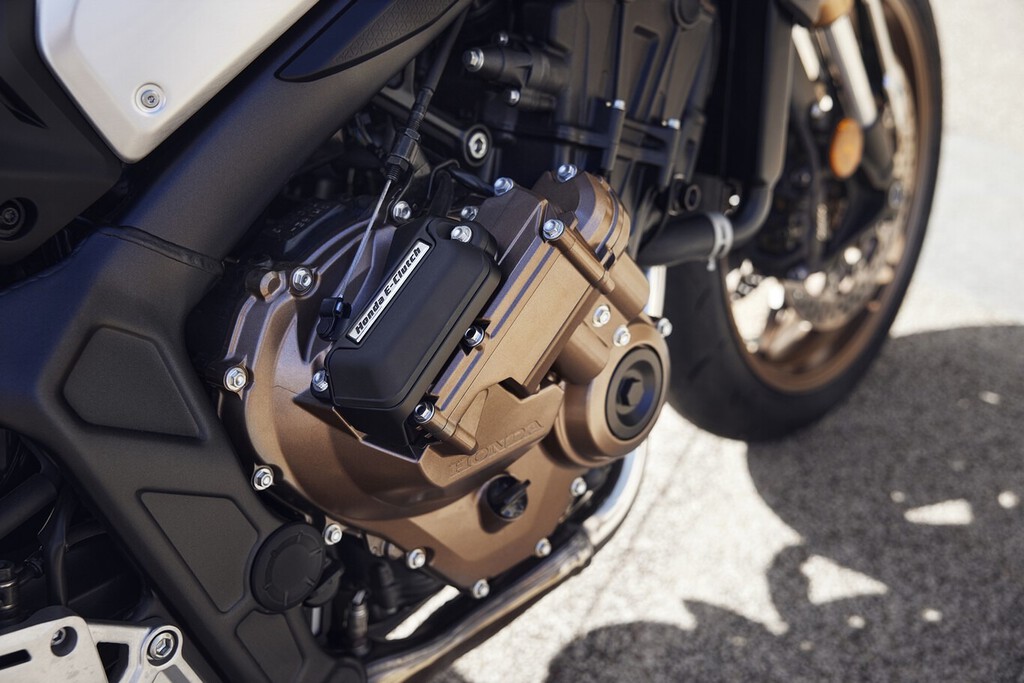
Manual vs. Automatic: The Rider's Dilemma
The debate over manual versus automatic transmissions in motorcycles is not new. Traditionalists argue that the clutch is integral to the riding experience, offering precise control in corners, at low speeds, and during aggressive maneuvers. Automatics, on the other hand, reduce fatigue in traffic and make riding more accessible to beginners.
Honda's DCT (Dual Clutch Transmission) has already shown that automatic shifting can be seamless and sporty. But DCT still retains a clutch lever in some models, and purists often criticize the lack of direct control. The new patents might eliminate the clutch lever entirely while preserving the option for manual interaction—perhaps through paddle shifters or a mode selection.
How This Technology Could Change Riding
If Honda brings these patents to production, the impact could be profound. Riders who want the simplicity of an automatic could enjoy high-performance bikes without the learning curve of clutch control. Meanwhile, those who crave the traditional feel could still have it, possibly via a configurable system.
This flexibility could also attract new riders to motorcycling. The clutch is often cited as a barrier for beginners, especially in stop-and-go traffic. By removing that barrier while preserving the option for manual control, Honda could expand its customer base without alienating its core audience.
- Choice: Riders can select between manual and automatic clutch operation.
- Accessibility: New riders face a lower barrier to entry.
- Preservation: Traditionalists can still enjoy manual control.
- Innovation: Honda continues to lead in motorcycle transmission technology.
- Market impact: Could influence other manufacturers to follow suit.
Comparing Clutch Systems
To understand the significance of Honda's patents, it helps to compare existing clutch systems with what the new technology might offer.
| System | Clutch Lever | Rider Control | Ease of Use |
|---|---|---|---|
| Traditional Manual | Yes | Full | Requires skill |
| Honda DCT | Optional (some models) | High (with modes) | Moderate |
| New Honda Patents | Possibly none | Configurable | High |
As the table shows, the new patents could represent a middle ground: no clutch lever, but configurable control that mimics manual operation when desired.
What This Means for the Future of Motorcycling
Honda's move is a clear indication that the company believes the future of motorcycling is not one-size-fits-all. By developing two patents, Honda is hedging its bets and ensuring that whatever riders prefer, there will be a Honda for them. The longer history behind the story is traced in Honda's Clutchless Motorcycle Future: Two Patents Give Riders a Choice.
This approach aligns with broader trends in the automotive industry, where personalization and adaptability are becoming key selling points. But in motorcycling, where emotion and connection matter more than in cars, the stakes are higher. Honda seems to understand that removing the clutch is not just a technical decision—it's an emotional one. The background to this story is set out in Honda NX500 with E-Clutch: The Perfect Entry to Big Bikes. A related thread runs through Honda Tests Wireless Charging Roads to Power EVs on the Move. Earlier coverage in Black Motorcycle Clubs Thrive in Summer: Community on Two Wheels shows how the argument developed.
The Road Ahead
It's important to note that patents don't always become production reality. Honda may be exploring these concepts without a concrete plan to bring them to market. However, the fact that two patents have been filed suggests serious interest. A closer look at the same subject appears in Honda Cancels Big Electric SUV — Industry Shock. Anyone following the wider picture can start with Honda CEO: 'No Chance' Against China's Automated Factories. The same theme surfaces in Trending: latest articles, which takes a different angle.
If these systems do reach showrooms, they could redefine what riders expect from a motorcycle. The clutch, once a defining feature of the riding experience, might become optional—a choice rather than a requirement. And that, in itself, is a revolution. Context on how this played out before sits in M113: The 1950s Armored Vehicle Winning Ukraine War. A companion piece, AI Exoskeletons for Hiking: Which Hypershell Model to Choose, approaches the same subject from another angle.
FAQ
What are Honda's new clutchless patents?
Honda has filed two patents for clutchless motorcycle systems that could allow riders to choose between manual and automatic clutch operation. The exact technology is not yet public, but the patents suggest a configurable system that eliminates the clutch lever while preserving rider control.
Will these patents replace manual transmissions?
Not necessarily. Honda's approach seems to be about giving riders a choice rather than forcing a single solution. The patents could lead to motorcycles that offer both manual and automatic modes, catering to different preferences.
How does this affect new riders?
For new riders, a clutchless system could lower the barrier to entry by removing the need to master clutch control. This might make motorcycling more accessible and attract a wider audience.
When will we see these systems in production?
There is no official timeline. Patents often take years to become production features, and some never do. Honda has not announced any specific models or release dates for these technologies.
Browse the Shop
 Acacia frida deluxe solid wood bed frame |
Bedroom bench |
Bed chest drawers |
Lingerie dresser |
Frame base |
Mirror with jewelry storage |
30 Bathroom Vanity |
Memory foam queen mattress |
Mattresses for back pain |
Nightstand set of 2 |
Grand Goldman Shop |
Civil Lawyer
Deutschland Trikot WM 2026







