

Japan's wedding tourism boom is emerging as a surprising niche within the country's record-breaking visitor surge. In 2025, Japan welcomed 42.7 million foreign tourists, a 15.8% jump from 2024, and among those crowds are couples who aren't just sightseeing—they're getting married.
While exact figures on wedding tourism are scarce, the trend is gaining attention. Couples from abroad are drawn to Japan's blend of tradition, scenery, and meticulous service, turning their nuptials into a travel experience that fuels a growing business.
Find Original Home Decor sparking conversation at Grand Goldman Shop.

Why Japan Is Becoming a Wedding Destination
Japan offers a unique mix of ancient rituals and modern efficiency. From Shinto ceremonies to cherry blossom backdrops, the country provides an unforgettable setting for couples seeking something beyond the typical beach wedding.
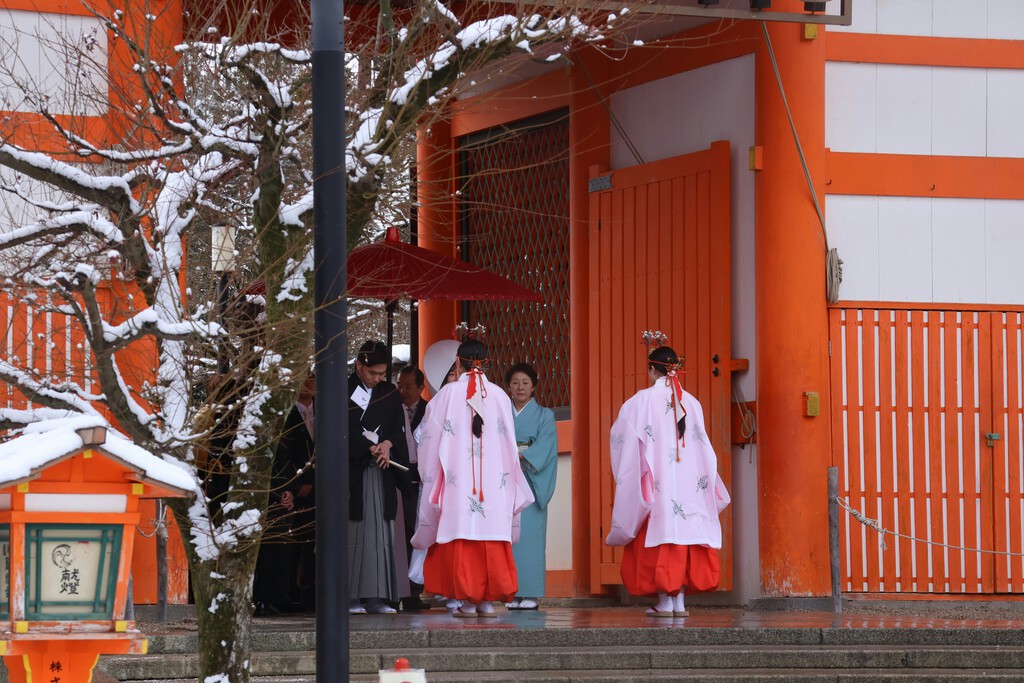
The surge in overall tourism has also made Japan more accessible. Airlines have added routes, and hospitality infrastructure has expanded, making it easier for foreign couples to plan a wedding abroad.
The Allure of Tradition and Scenery
Many couples are attracted to traditional Japanese wedding elements, such as kimono attire and sake-sharing rituals. Others simply want photos with iconic landmarks like Mount Fuji or Kyoto's geisha districts.
This demand has spawned a cottage industry of wedding planners, venues, and photographers catering specifically to international couples.
The Business Behind the Boom
Wedding tourism isn't just about the ceremony; it's a full-fledged economic driver. Couples often bring guests, book luxury accommodations, and extend their stay for a honeymoon, multiplying the economic impact.
Local businesses, from florists to traditional inns, are capitalizing on this trend. Some venues now offer packages that include pre-wedding photo shoots, cultural experiences, and post-wedding tours.
- Economic boost: Wedding tourism generates revenue across multiple sectors, including hospitality, retail, and transportation.
- Seasonal spread: Couples often choose off-peak seasons, helping to balance tourist flows.
- Cultural exchange: Foreign weddings introduce Japanese traditions to a global audience.
- Infrastructure development: Demand for wedding services encourages investment in venues and training.
- Marketing opportunity: Japan's wedding industry can leverage social media to attract more couples.
Challenges and Criticisms
The wedding tourism boom is not without controversy. Japan's overtourism crisis has sparked complaints from locals about crowded public spaces and strained infrastructure.
Critics argue that promoting wedding tourism could exacerbate these issues, especially in popular destinations like Kyoto and Tokyo. However, proponents counter that wedding tourism is relatively low-impact compared to mass tourism, as it involves smaller groups and often occurs in less crowded areas. The background to this story is set out in Spain's 2004 Election Upset Linked to Baby Boom and Weddings.
Balancing the economic benefits with sustainable practices will be key to the industry's long-term success. The longer history behind the story is traced in South America Sees European Tourist Boom Amid Iran War. More on the surrounding debate is collected in Pokémon Airport in Japan: A Strategy for Survival and Tourism.
What's Next for Wedding Tourism in Japan?
As Japan continues to break tourism records, the wedding niche is poised for growth. Industry experts predict more specialized services and packages tailored to foreign couples. The background to this story is set out in Japan's Hotel Staffing Crisis: A Natural Brake on Overtourism. A related thread runs through Tying Ribbons to Luggage at the Airport: Why It's a Bad Idea. Earlier coverage in Trending: latest articles shows how the argument developed.
However, without comprehensive data, it's difficult to gauge the full scale of the trend. The Japanese government and tourism boards may need to monitor the sector to ensure it aligns with broader sustainability goals. A closer look at the same subject appears in Spain's Tourism Boom: 25 Million More Visitors Strain Infrastructure. Anyone following the wider picture can start with Japan's Tourism Boom: Only 17% of Japanese Hold Passports. The same theme surfaces in Japan's 500% Visa Fee Hike: What It Means for Foreign Travelers, which takes a different angle.
For couples dreaming of a Japanese wedding, the options are expanding. From intimate ceremonies in rural temples to grand celebrations in Tokyo hotels, Japan is positioning itself as a premier destination for lovebirds. Context on how this played out before sits in Surprising! This is the trend travel destination in Europe in 2025. A companion piece, These are the most crowded travel destinations in Europe, approaches the same subject from another angle.
| Tourism Metric | 2024 | 2025 |
|---|---|---|
| Total Foreign Visitors | ~36.9 million | 42.7 million |
| Year-over-Year Growth | — | +15.8% |
| Wedding Tourism Data | Limited | Emerging trend |
FAQ
What is driving the wedding tourism boom in Japan?
The boom is driven by Japan's unique cultural offerings, scenic locations, and improved accessibility due to overall tourism growth. Couples seek memorable destinations that combine tradition with modern amenities.
Is wedding tourism contributing to overtourism in Japan?
While wedding tourism adds to visitor numbers, it is considered lower-impact than mass tourism because it involves smaller groups and often takes place in less crowded regions. However, careful management is needed to avoid exacerbating overtourism.
How can foreign couples plan a wedding in Japan?
Couples can work with specialized wedding planners who handle logistics, venue booking, and cultural requirements. Many services offer packages that include photography, attire, and guest accommodations.
What are the most popular locations for wedding tourism in Japan?
Popular spots include Kyoto for traditional ceremonies, Tokyo for modern venues, and scenic areas like Mount Fuji and Okinawa for destination weddings. Each offers distinct backdrops and experiences.
Browse the Shop
 Acacia frida deluxe solid wood bed frame |
Bedroom bench |
Bed chest drawers |
Lingerie dresser |
Frame base |
Mirror with jewelry storage |
30 Bathroom Vanity |
Memory foam queen mattress |
Mattresses for back pain |
Nightstand set of 2 |
Grand Goldman Shop |
Civil Lawyer
Deutschland Trikot WM 2026







