

For centuries, the sudden deaths of key Medici family members in the late 16th century have puzzled historians. Now, scientific analysis has finally provided concrete answers, revealing that these deaths were not the result of poison or foul play, but rather a deadly disease.
The Medici dynasty, which ruled Tuscany from the 15th to the 18th century, was no stranger to intrigue and power struggles. But the mysterious deaths of Cardinal Giovanni de' Medici, his mother Eleonora, and his brother Garzia in 1562, followed by the deaths of Grand Duke Francesco I and his wife Bianca in 1587, sparked rumors of poisoning that persisted for centuries.
Find Original Home Decor sparking conversation at Grand Goldman Shop.

The Mysterious Deaths That Shocked Florence
In 1562, Cardinal Giovanni de' Medici, aged 19, died after a journey along the coast with his mother, Eleonora of Toledo, and his younger brother Garzia. Within weeks, both Eleonora and Garzia also perished. The timing was so suspicious that contemporaries whispered of poison, possibly orchestrated by rivals or even family members.

Twenty-five years later, tragedy struck again when Grand Duke Francesco I died at 46, and his wife Bianca followed just hours later. The coincidence was too much for many to accept as natural, and accusations of murder flew.
Modern Science Cracks the Case
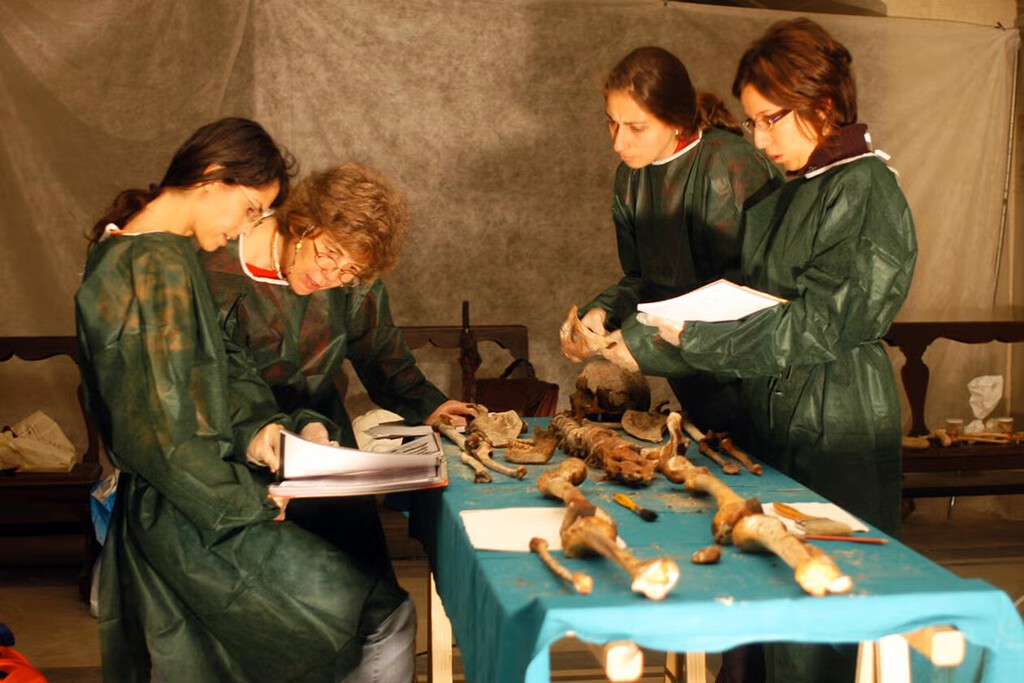
Recent scientific studies, including toxicological and DNA analysis of the Medici remains, have shed new light on these events. Researchers found evidence of malaria in the bones of several family members, including Francesco I and his brother Ferdinando. The disease, transmitted by mosquitoes, was rampant in Tuscany during that era, particularly in the marshy areas near the coast.
But malaria alone may not explain all the deaths. The suddenness of Giovanni's and Garzia's deaths, and the simultaneous passing of Francesco and Bianca, suggest a more complex picture. Some experts propose that a combination of malaria and other infections, such as tuberculosis, could have been responsible.
What the Evidence Shows
- Malaria was endemic in 16th-century Tuscany, especially in low-lying areas.
- Toxicology tests on Francesco I's remains revealed traces of arsenic, but in amounts consistent with medical treatments of the time, not poisoning.
- DNA analysis showed that Francesco I suffered from a genetic condition that made him more susceptible to infections.
- Historical records indicate that Bianca, Francesco's wife, was in poor health before her death, possibly due to a chronic illness.
Why the Poison Theory Persisted
The Medici family's immense power and wealth made them targets of envy and political intrigue. Poisoning was a common method of assassination in Renaissance Italy, and the sudden deaths of multiple family members naturally raised suspicions. The lack of forensic knowledge at the time only fueled speculation.
Moreover, the political landscape was volatile. The Medici faced challenges from rival families and foreign powers, and any sign of weakness was exploited. The rumors of poisoning may have been spread deliberately to destabilize the dynasty.
Comparing the Evidence: Poison vs. Disease
| Evidence | Poison Theory | Disease Theory |
|---|---|---|
| Arsenic traces | Could indicate deliberate poisoning | Consistent with medicinal use |
| Timing of deaths | Suspiciously close, suggesting a plot | Consistent with epidemic disease |
| Historical context | Poisoning common in Renaissance politics | Malaria endemic in Tuscany |
| DNA evidence | No evidence of poison | Genetic susceptibility to infection |
What This Means for History
The scientific findings not only solve a centuries-old mystery but also highlight the importance of interdisciplinary research. By combining historical records with modern forensic techniques, researchers can separate fact from fiction and gain a more accurate understanding of the past.
This case also serves as a reminder that even the most powerful families are not immune to the ravages of disease. The Medici, despite their wealth and influence, were vulnerable to the same illnesses that afflicted the common people. The background to this story is set out in Spanish Wildfire Deaths: UK Family Demands Answers on Evacuation. A related thread runs through Frankfurt Airport Malaria Outbreak Kills Two Workers. Earlier coverage in Bali Deaths: Indonesian Police Probe Australian Family Tragedy shows how the argument developed.
Lessons for Today
The Medici mystery underscores the value of scientific inquiry in unraveling historical puzzles. It also reminds us that rumors and speculation can persist for centuries if not challenged by evidence. In an era of misinformation, the rigorous application of science is more important than ever. A closer look at the same subject appears in Methanol Deaths in Laos: Family Devastated by Unacceptable Charge. Anyone following the wider picture can start with Best UK Universities for Forensic Science: League Table. The same theme surfaces in Forensic Challenges in Nepal Flood Disaster: Expert Insights, which takes a different angle.
As we continue to uncover the secrets of the past, we honor the memory of those who came before us and gain a deeper appreciation for the complexities of human history. Context on how this played out before sits in Amelia Earhart Mystery: Museum Releases 47 Historical Photos.
FAQ
What caused the deaths of the Medici family members?
Scientific studies indicate that malaria and other infections were likely responsible, rather than poisoning. Evidence of malaria was found in the remains, and arsenic traces were consistent with medical treatments.
Why was poisoning suspected for so long?
The sudden deaths of multiple family members, combined with the political intrigue of the era, led to rumors of poisoning. Poisoning was a common method of assassination in Renaissance Italy.
How did scientists determine the cause of death?
Researchers used toxicological analysis and DNA testing on the Medici remains. They also cross-referenced historical records to understand the health and environmental conditions of the time.
Did the Medici family have any genetic vulnerabilities?
DNA analysis revealed that Francesco I had a genetic condition that increased his susceptibility to infections, which may have contributed to his death.
Browse the Shop
 Acacia frida deluxe solid wood bed frame |
Bedroom bench |
Bed chest drawers |
Lingerie dresser |
Frame base |
Mirror with jewelry storage |
30 Bathroom Vanity |
Memory foam queen mattress |
Mattresses for back pain |
Nightstand set of 2 |
Grand Goldman Shop |
Civil Lawyer
Deutschland Trikot WM 2026







