

Mount Fuji rescue fees are set to become a reality as Japan's Yamanashi prefecture moves to charge tourists for helicopter rescues, aiming to curb reckless climbing and manage overtourism.
Each year, hundreds of thousands of hikers ascend the iconic mountain, but a rising number of accidents—often involving ill-prepared tourists—has prompted local authorities to take action. The plan, which is still being finalized, would bill individuals for helicopter evacuations during the off-season, when rescue operations are most challenging.
Find Original, High-end Home Decor that spark conversation at Grand Goldman Shop.
Why Mount Fuji Rescue Fees Are Being Introduced
Mount Fuji is Japan's most recognizable landmark, drawing between 200,000 and 300,000 climbers each summer across its four main trails. While most ascend safely, a growing number ignore safety warnings, venture off marked paths, or climb in inadequate gear, leading to costly rescue missions.
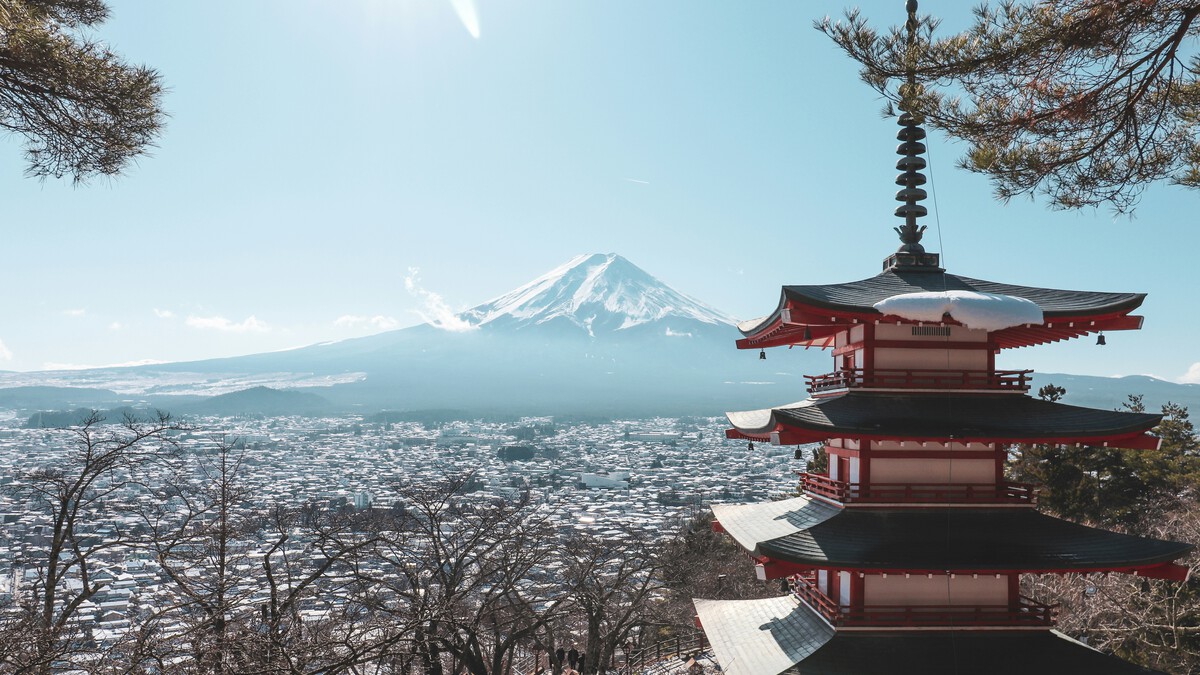
Yamanashi prefecture, which oversees several climbing routes, has grown frustrated with the financial burden of these operations. The new policy aims to shift the cost to those who act irresponsibly, while also promoting safer hiking practices.
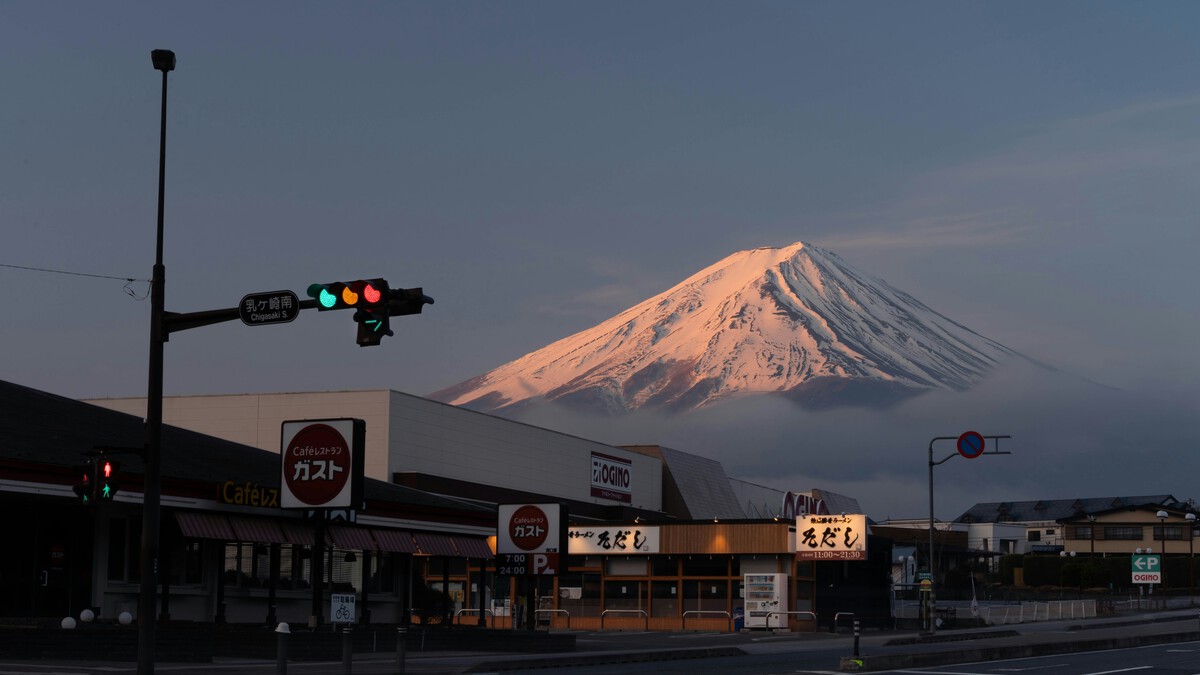
The Cost of a Rescue
Although the exact fee in Yamanashi hasn't been announced, neighboring Saitama prefecture already charges around 8,000 yen (about $55) per five minutes of helicopter flight. In practice, this pushed the average rescue bill above 640 euros last year.
Such fees could serve as a deterrent, but critics argue they might discourage people from calling for help in emergencies, potentially putting lives at risk.
How the Fee System Would Work
Under the proposed plan, climbers who require helicopter rescue during the off-season—typically October through June—would be charged for the operation. The fee structure is still under review, but it would likely mirror Saitama's per-minute billing model.
During the official climbing season (July to September), rescue services remain free, as they are considered part of normal safety operations. The off-season, however, sees fewer staff and more hazardous conditions, making rescues more expensive and dangerous.
- Off-season rescues would incur charges, while summer rescues remain free.
- Helicopter costs are billed per minute, potentially totaling hundreds of euros.
- Safety education campaigns are expected to accompany the new fees.
- Similar policies already exist in Saitama and other Japanese prefectures.
- Tourism growth to 60 million visitors by 2030 adds urgency to the issue.
Impact on Tourism and Climbers
Japan welcomed a record number of international tourists in recent years, and Mount Fuji remains a bucket-list destination. The new fees could deter some casual hikers, but authorities hope they will encourage better preparation.
For responsible climbers, the policy may have little effect—they already follow guidelines and climb during the safer summer months. However, the fear of hefty bills could make some hesitate before calling for help in a genuine emergency.
Comparing Rescue Fee Policies
| Prefecture | Fee Structure | Average Rescue Cost | Season |
|---|---|---|---|
| Yamanashi | Proposed (TBD) | Likely similar to Saitama | Off-season |
| Saitama | ~8,000 yen per 5 min | Over 640 euros | Year-round |
| Other prefectures | Varies | Varies | Varies |
The table highlights how Yamanashi's plan aligns with existing practices in Saitama, though the final details are pending. Context on how this played out before sits in Lidl's 4-in-1 Car Gadget: The Emergency Tool Worth Buying.
What This Means for the Future of Mount Fuji
As tourism continues to surge, Mount Fuji faces increasing pressure. The rescue fee is just one measure; authorities are also considering crowd control, trail improvements, and stricter enforcement of climbing regulations. The background to this story is set out in Mount Fuji Father Leaves Son Alone: Hiking Safety Warning. A related thread runs through Utah Wildfire Crash: Rescue Hampered by Blaze.
The success of the policy will depend on how it's communicated and enforced. If done well, it could reduce reckless behavior and ensure that rescue resources are available for those who truly need them. Earlier coverage in Hokusai Mount Fuji Exhibition Leads Art Week Highlights shows how the argument developed. A closer look at the same subject appears in Hokusai's Great Wave: Thirty-Six Views of Mount Fuji Review.
For now, climbers are advised to check local guidelines, climb during the official season, and carry proper gear. The mountain remains majestic, but it demands respect—and soon, perhaps, a credit card. Anyone following the wider picture can start with Utah Wildfire Helicopter Crash: Two Onboard, Rescue Ongoing. The same theme surfaces in Utah Wildfire Helicopter Crash: Two Onboard, Rescue Efforts, which takes a different angle.
FAQ
Will I be charged for a rescue on Mount Fuji during summer?
No, rescues during the official climbing season (July to September) remain free. The proposed fees apply only to off-season rescues, when conditions are more hazardous.
How much could a helicopter rescue cost?
While Yamanashi's fee isn't finalized, Saitama charges about 8,000 yen per five minutes of flight, leading to average bills over 640 euros. A typical rescue could cost several hundred euros.
Why is Japan introducing these fees?
Authorities aim to reduce reckless climbing and recover the high costs of rescue operations, which have increased with tourism. The fees also encourage hikers to prepare properly.
Does this affect all climbers?
Only those needing helicopter rescue in the off-season. Responsible climbers who follow guidelines and climb in summer are unlikely to be affected.
Browse the Shop
 Acacia frida deluxe solid wood bed frame |
Bedroom bench |
Bed chest drawers |
Lingerie dresser |
Frame base |
Mirror with jewelry storage |
30 Bathroom Vanity |
Memory foam queen mattress |
Mattresses for back pain |
Nightstand set of 2 |
Grand Goldman Shop |
Civil Lawyer
Deutschland Trikot WM 2026










