

Mozart's lost 1778 notebook has been discovered at the Bibliothèque Nationale de France (BnF), offering a rare glimpse into the composer's life and work. The 44-page manuscript contains seven pieces for flute and harp, along with corrections and annotations in Mozart's own hand.
The find, made on February 2, 2026—just a week after the 270th anniversary of Mozart's birth—has excited scholars and music lovers alike. It sheds new light on a lesser-known period of Mozart's career and his relationship with a French noblewoman.
Find Original Home Decor sparking conversation at Grand Goldman Shop.

Discovery at the Bibliothèque Nationale de France
François-Pierre Goy, curator of pre-1800 collections at the BnF, stumbled upon the notebook while sifting through old manuscripts. "I opened it and saw staves full of crossings-out, corrections, and additions," he told Le Monde. Goy immediately recognized Mozart's handwriting—the distinctive brackets, the rounded treble clefs leaning forward, and the double bar lines with fermatas above and below.
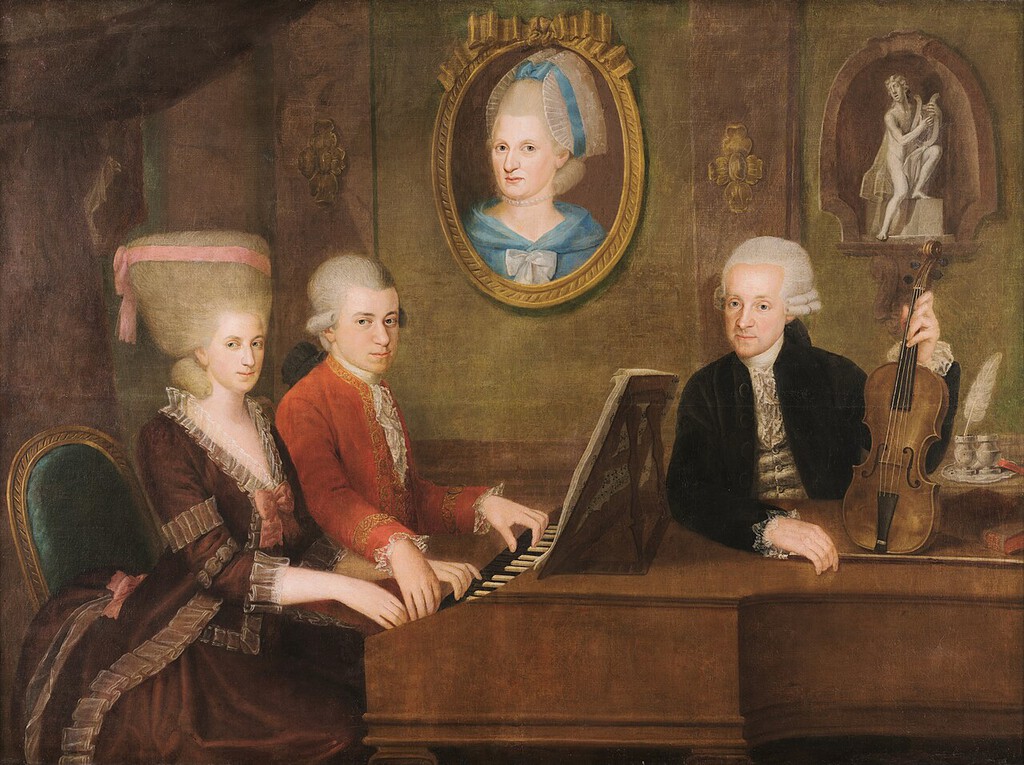
The notebook dates from the late 18th century, but its exact provenance is still being investigated. What makes this discovery particularly exceptional is that it appears to be a teaching notebook, offering a window into Mozart's pedagogical methods.
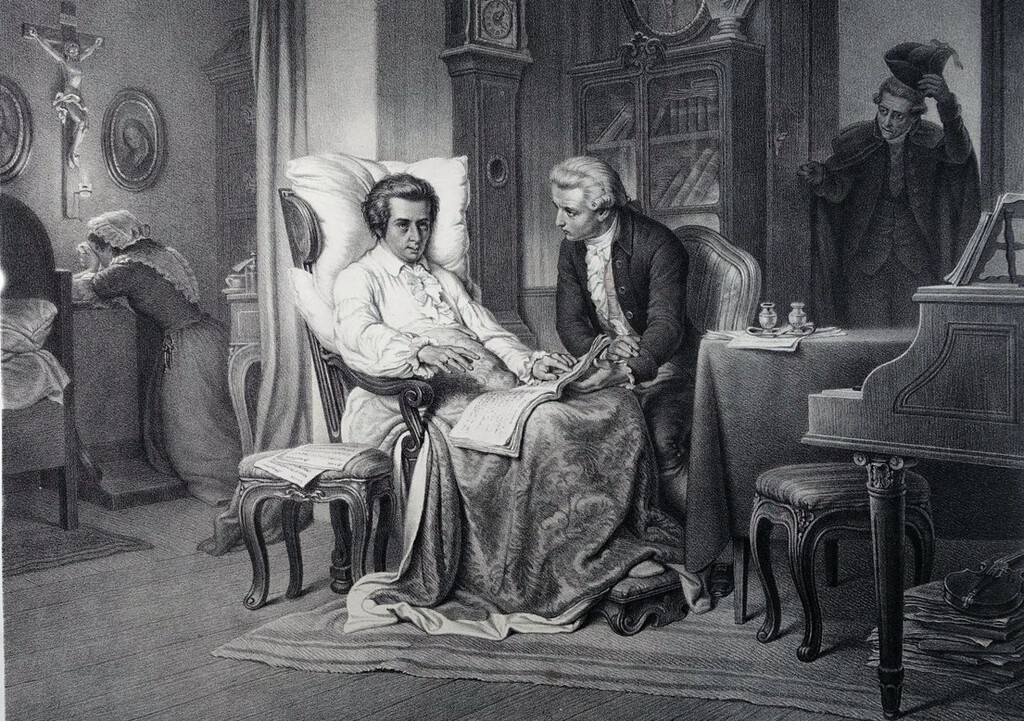
The Story Behind the Notebook
In 1778, Mozart was in Paris, hoping to secure a position and make a name for himself. During this time, he took on a noble French student—likely a young woman from the aristocracy—to whom he attempted to teach composition. The notebook contains exercises and pieces that Mozart wrote for or with his student, complete with his corrections and suggestions.
According to Goy, the notebook did not belong to Mozart himself but rather to his student. This explains why it has remained unknown for so long: it was kept in a private collection before eventually making its way to the BnF. The identity of the noblewoman is still a mystery, but researchers hope to uncover more about her and her connection to Mozart.
What the Notebook Reveals About Mozart
The notebook provides valuable insights into Mozart's teaching style and his approach to composition. The corrections and annotations show how he guided his student, offering a rare glimpse into his creative process. Context on how this played out before sits in Mozart's Lost 1778 Notebook Discovered in France.
- Teaching methods: Mozart's corrections reveal his attention to detail and his emphasis on proper voice leading and harmony.
- Repertoire: The seven pieces for flute and harp are likely arrangements or original compositions used for teaching.
- Handwriting: The manuscript confirms Mozart's distinctive notation style, aiding future authentication efforts.
- Biographical context: The notebook dates from Mozart's Paris period, a time of both frustration and productivity.
- Student identity: The noblewoman remains unidentified, but her notebook offers a personal connection to Mozart.
Comparison with Other Mozart Manuscripts
This discovery is significant because Mozart manuscripts from his Paris period are relatively rare. The table below compares this notebook with other known Mozart manuscripts. The background to this story is set out in Mozart's Genius Unlocked: Teenager Cracks the Musical Code. A related thread runs through Working-Class Musicians Priced Out of Classical Music.
| Manuscript | Year | Location | Content | Significance |
|---|---|---|---|---|
| Paris Notebook | 1778 | BnF, Paris | 7 pieces for flute and harp | Teaching notebook, new insights |
| London Sketchbook | 1764 | British Library | 43 pieces | Childhood compositions |
| Verona Manuscript | 1770 | Biblioteca Capitolare | Various | Early travels |
| Vienna Manuscripts | 1780s | Various | Late works | Mature style |
Why This Discovery Matters
Beyond its artistic value, the notebook offers new clues about Mozart's life. It highlights his efforts to establish himself in Paris and his interactions with the French nobility. It also raises questions about the role of women in music education during the 18th century. Earlier coverage in Why Working Class Musicians Face Barriers in Classical Music shows how the argument developed. A closer look at the same subject appears in Reggaeton Activates More Brain Regions Than Classical Music, Neuroscientists.
The notebook will undergo further study and restoration before being made available to scholars and the public. The BnF plans to digitize it, making it accessible to a global audience. This discovery is a reminder that even after centuries, the past can still surprise us. Anyone following the wider picture can start with Behemoth Review: Pedro Pascal Classical Music Drama Misses the Mark. The same theme surfaces in Trending: latest articles, which takes a different angle.
FAQ
What is the Mozart notebook discovered in France?
It is a 44-page manuscript from 1778 containing seven pieces for flute and harp, with corrections in Mozart's hand. It was found at the Bibliothèque Nationale de France in February 2026.
Why is this discovery important?
The notebook provides new insights into Mozart's teaching methods and his time in Paris. It also adds to the relatively small number of Mozart manuscripts from that period.
Who was the noble French woman?
Her identity remains unknown, but she was likely a young aristocrat who took composition lessons from Mozart in 1778. Researchers hope to uncover more about her.
Where can I see the notebook?
The notebook is currently being studied and restored at the BnF. It will eventually be digitized and made available online.
Browse the Shop
 Acacia frida deluxe solid wood bed frame |
Bedroom bench |
Bed chest drawers |
Lingerie dresser |
Frame base |
Mirror with jewelry storage |
30 Bathroom Vanity |
Memory foam queen mattress |
Mattresses for back pain |
Nightstand set of 2 |
Grand Goldman Shop |
Civil Lawyer
Deutschland Trikot WM 2026







