

The Pentagon is moving to protect its most advanced fighter jets from a growing threat: small, cheap drones. The U.S. Air Force is studying the installation of giant anti-drone nets around six F-35A fighter shelters at Tyndall Air Force Base in Florida. The concept, which resembles oversized soccer goals, aims to keep multi-million-dollar aircraft intact when they are most vulnerable—on the ground.
For decades, the United States has invested fortunes in developing sophisticated combat aircraft. Now, the proliferation of low-cost unmanned aerial systems is forcing military planners to rethink base defense. The solution may look surprisingly low-tech, but it addresses a very modern problem.
Find Original Home Decor sparking conversation at Grand Goldman Shop.

Giant Nets to Protect F-35 Fighters
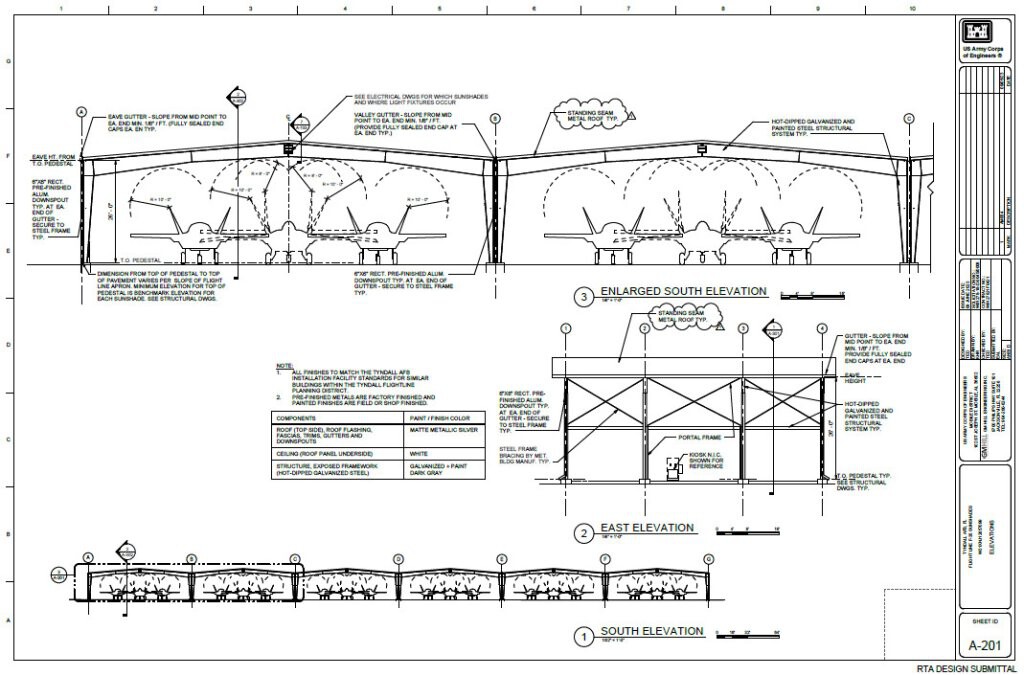
Each proposed structure measures approximately 192 meters long, 20 meters wide, and 9 meters high. These dimensions allow each shelter to house up to six aircraft, meaning the six shelters together could protect 36 F-35s simultaneously. The nets would cover the sides of the shelters and be retractable to allow aircraft to enter and exit.
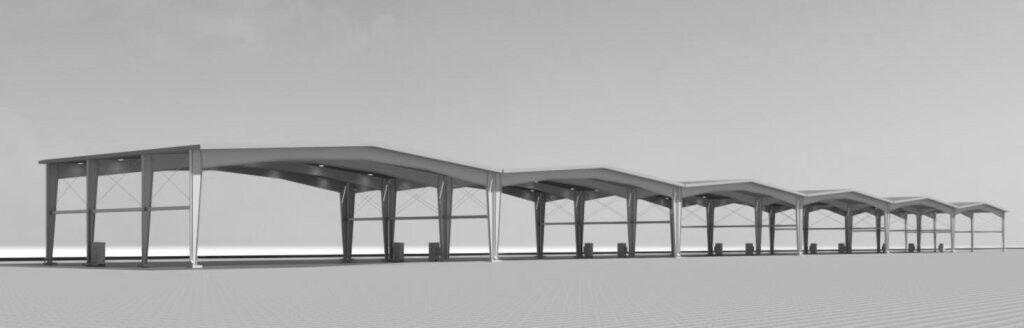
The project is not yet approved. However, the 325th Contracting Squadron has opened a market consultation to find companies capable of designing and installing the barriers. If realized, some of the world's most advanced warplanes could be protected by something that looks like a football goal.
Why Cheap Drones Are a Big Threat
The specifications for these nets are far more demanding than those of a conventional net. The Pentagon is seeking polyester or nylon materials with high strength and durability. The goal is to stop drones that cost a few hundred dollars from damaging aircraft worth tens of millions.
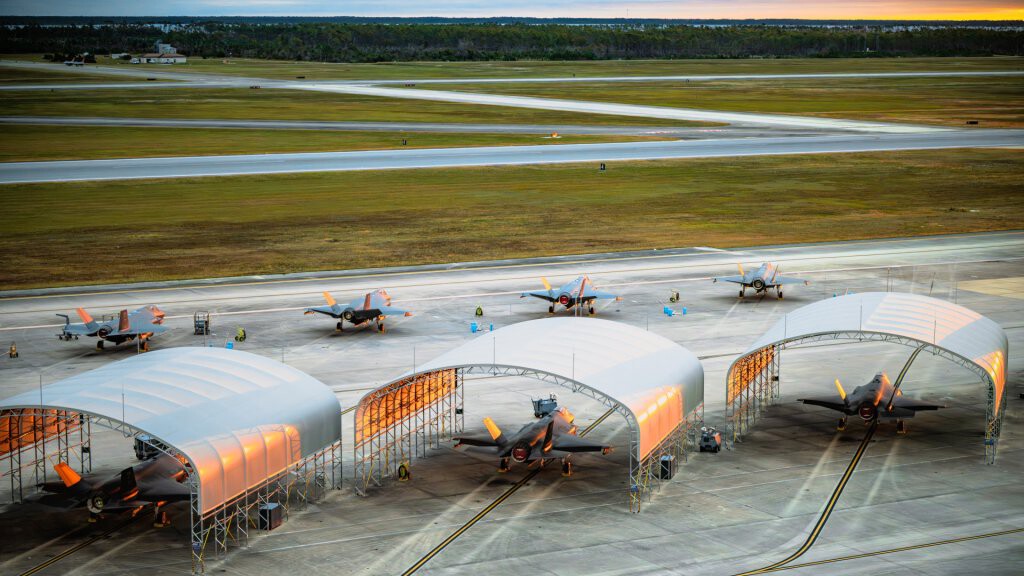
Recent conflicts have shown how effective small drones can be. They are hard to detect, easy to deploy, and can cause disproportionate damage if they hit a parked fighter. Protecting aircraft on the ground has become a priority for air forces worldwide.
How the Anti-Drone Nets Would Work
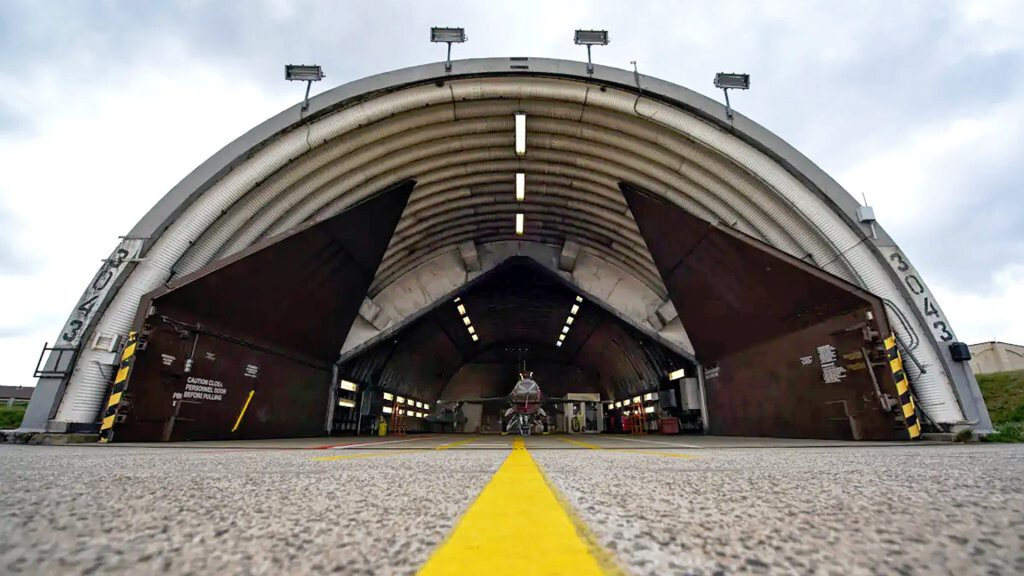
The nets are designed to be a physical barrier. Unlike electronic jamming or laser weapons, they provide a passive defense that does not rely on power or complex systems. When a drone flies into the net, it becomes entangled and falls without reaching the aircraft.
The retractable design ensures that normal flight operations can continue. The nets can be opened when aircraft need to taxi in or out, then closed to provide continuous protection. This balance between security and operability is crucial for busy bases like Tyndall. The background to this story is set out in Taiwan Uses Fishing Nets to Shield Anti-Aircraft Guns From Drones. A related thread runs through Dutch Navy Uses AI and Drones to Transform Sea Defenses. Earlier coverage in F-35 Fleet Readiness Crisis: Only 25% Fully Mission Capable shows how the argument developed.
Key Takeaways
- The U.S. Air Force is exploring giant anti-drone nets for F-35 shelters at Tyndall Air Force Base.
- Each net structure could protect up to six aircraft, with six shelters covering 36 jets.
- The nets would be retractable to allow normal flight operations.
- The project is in the market consultation phase and not yet approved.
- The move responds to the rising threat of cheap drones on the battlefield.
Comparing the Threat and the Solution
| Factor | Small Drone | F-35A Fighter |
|---|---|---|
| Cost | Hundreds of dollars | Tens of millions of dollars |
| Size | Small, portable | Large, fixed-wing |
| Vulnerability | Hard to detect | Exposed when parked |
| Protection | N/A | Retractable nets |
What to Watch Next
The Air Force will evaluate responses from industry to determine feasibility and cost. If the project moves forward, it could set a precedent for other bases. The outcome will show whether low-tech physical barriers can effectively complement high-tech detection and jamming systems. A closer look at the same subject appears in Jet-Powered Drones Transform Kyiv Air Defense: Volunteer Strategies. Anyone following the wider picture can start with Hegseth Overrules Military Advisors: Pentagon Spokesman Responds. The same theme surfaces in FCAS Collapse: Spain and Sweden's Last Chance to Stop the F-35, which takes a different angle.
For now, the image of F-35s shielded by soccer-goal-style nets is a striking reminder that even the most advanced weapons require basic protection. As drone technology spreads, such defensive measures may become standard. Context on how this played out before sits in Russian Naval Aggression Spurs UK-Led Drone Defense Initiative. A companion piece, SIRTAP Drone Nears First Flight in Major European Defense Milestone, approaches the same subject from another angle.
FAQ
What is the purpose of the giant nets at Tyndall Air Force Base?
The nets are intended to physically block small drones from reaching parked F-35A fighter jets. They provide a passive defense that entangles drones before they can cause damage.
How many aircraft can the proposed nets protect?
Each of the six shelters can house up to six aircraft, so the full set could protect 36 F-35s simultaneously. The nets are designed to be retractable to allow aircraft movement.
Are the nets already approved for installation?
No, the project is still in the study phase. The 325th Contracting Squadron has opened a market consultation to find potential contractors, but no final decision has been made.
Why are cheap drones a threat to advanced fighters?
Small drones are inexpensive, hard to detect, and can be deployed in large numbers. If they strike a parked fighter, the damage can be disproportionate to their cost, making physical barriers an attractive layered defense.
Browse the Shop
 Acacia frida deluxe solid wood bed frame |
Bedroom bench |
Bed chest drawers |
Lingerie dresser |
Frame base |
Mirror with jewelry storage |
30 Bathroom Vanity |
Memory foam queen mattress |
Mattresses for back pain |
Nightstand set of 2 |
Grand Goldman Shop |
Civil Lawyer
Deutschland Trikot WM 2026







