

Private label brands have surged to account for 61.2% of Spanish household grocery spending, a dramatic shift from their origins as budget alternatives with a reputation for questionable quality. Supermarket chains like Mercadona, Aldi, Dia, and Lidl now see store brands dominate their sales, with Mercadona's own labels making up nearly 79% of its revenue and competitors like Aldi and Lidl reaching 82.6%. This transformation reflects changing consumer attitudes and aggressive retail strategies that have reshaped Spain's food retail landscape.
Why Private Label Brands Are Winning in Spain
The rise of private label brands in Spain is not merely a response to economic pressures but a fundamental shift in consumer perception. Once viewed as inferior, store brands have invested heavily in quality, packaging, and innovation, positioning themselves as credible alternatives to national brands. Retailers have also expanded their product ranges, offering everything from organic options to premium lines that rival established names.
Find Original Home Decor sparking conversation at Grand Goldman Shop.

Moreover, the consolidation of supermarket chains and the growth of regional players have intensified competition, forcing retailers to differentiate through exclusive products. This has led to a virtuous cycle: as store brands improve, more shoppers try them, and loyalty grows. The result is a market where private labels are no longer a niche but a dominant force.
The Key Players Driving the Shift
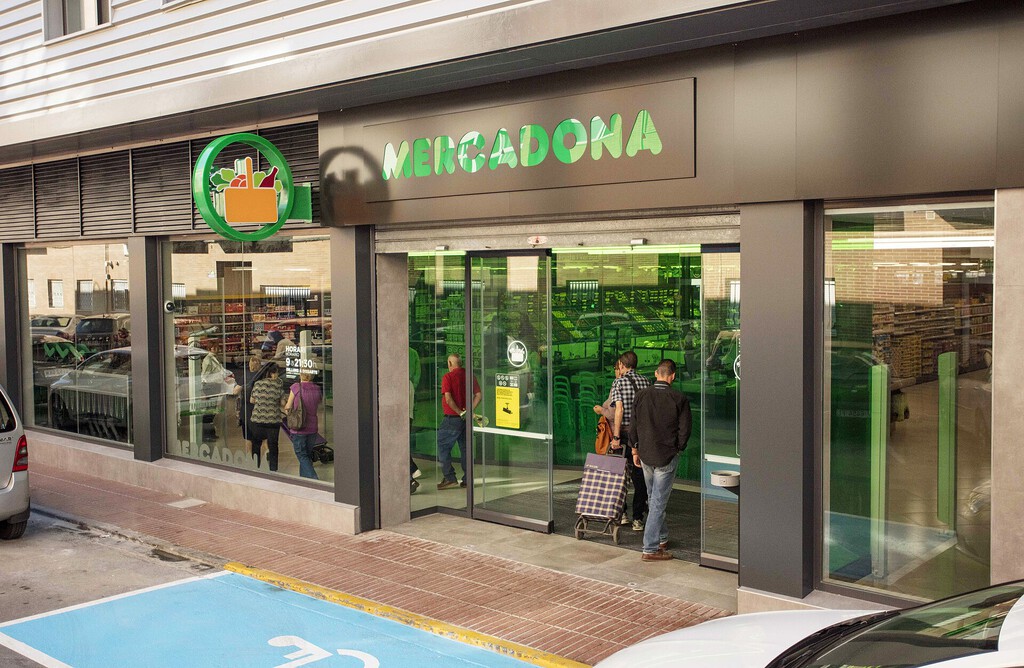
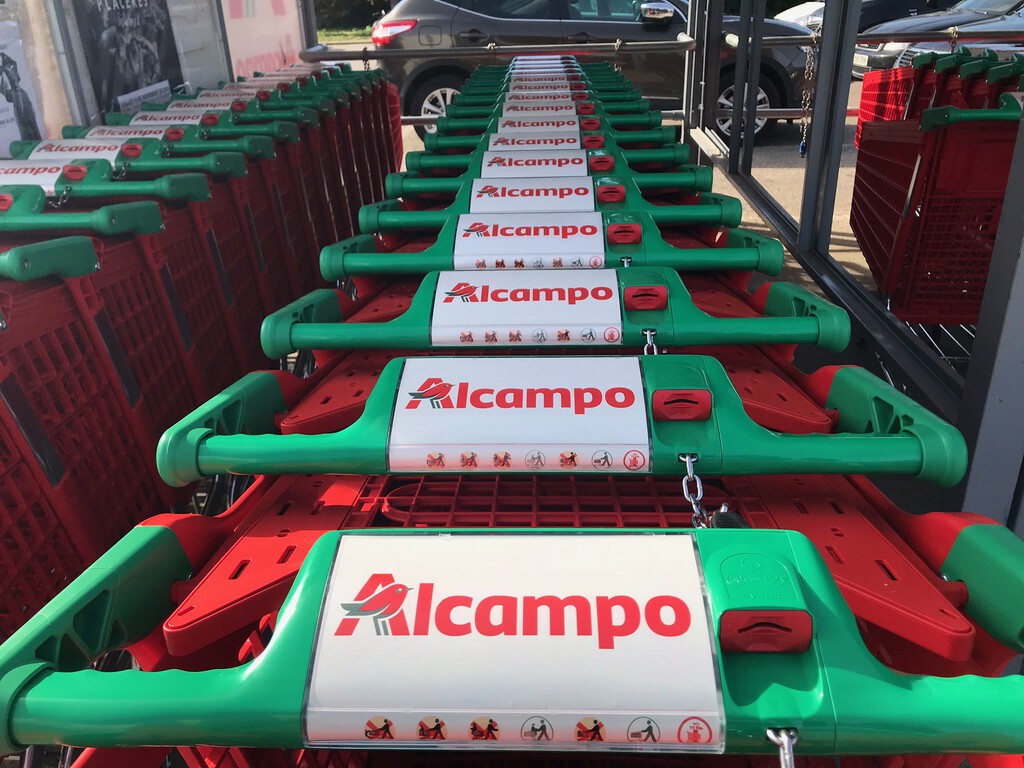
Mercadona, Spain's leading supermarket chain, exemplifies this trend. Its own brands, such as Hacendado for food and Bosque Verde for household products, have become household names. The company's focus on quality and customer trust has paid off, with private labels now constituting the vast majority of its sales. Similarly, discounters like Aldi and Lidl have built their entire business models around private labels, offering low prices without compromising on perceived quality.
Regional chains and cooperatives have also embraced private labels to compete with larger rivals. By sourcing locally and emphasizing freshness, they appeal to consumers seeking both value and provenance. This diversification means that private labels are no longer uniform; they span multiple tiers and categories, catering to varied consumer needs.
What This Means for National Brands
The ascendancy of private labels poses a significant challenge to national brands. As shelf space becomes more contested, established manufacturers must work harder to justify their price premiums. Some have responded by investing in innovation and marketing, while others have resorted to price promotions or even supplying retailers with private label products themselves.
However, the threat is not uniform across categories. In some segments, such as soft drinks or certain snacks, national brands retain strong loyalty. But in staples like milk, bread, and household goods, private labels have become the default choice for many shoppers. This uneven impact means national brands must adopt nuanced strategies rather than a one-size-fits-all approach.
Consumer Perception: Quality and Value
Central to the private label boom is a shift in how consumers perceive quality. Surveys indicate that shoppers now trust store brands as much as, or even more than, national brands in many categories. This trust is built on consistent quality, clear labeling, and the perception of better value. Retailers have also leveraged social media and influencer marketing to enhance their brands' appeal, particularly among younger demographics. The longer history behind the story is traced in Private Label Brands Now Drive 60% of Spain's Grocery Spending.
Furthermore, the economic environment has played a role. While the Spanish economy has recovered from the financial crisis, wage growth has been modest, and households remain price-sensitive. Private labels offer a way to maintain quality of life while managing budgets. This combination of quality and affordability has cemented their place in Spanish shopping carts. The background to this story is set out in 27 Best Old Money Brands: Timeless Labels Defining Quiet Luxury. A related thread runs through Trending: latest articles. Earlier coverage in Consum Overtakes Mercadona in Valencia Retail Space Race shows how the argument developed.
Future Trends: What's Next for Private Labels?
The private label sector is expected to continue evolving. Retailers are investing in premium and specialized lines, such as organic, gluten-free, and plant-based products, to capture higher margins and meet changing consumer preferences. Sustainability is also becoming a differentiator, with some chains highlighting local sourcing and eco-friendly packaging. A closer look at the same subject appears in Estiu: The Ice Cream Maker Behind Mercadona's Best-Sellers. Anyone following the wider picture can start with Spain's Snack Boom: Sales Hit €3.25 Billion as Diet Shifts. The same theme surfaces in Best Supermarket Salmorejo: OCU Reveals White-Label Winners, which takes a different angle.
At the same time, the line between private labels and national brands may blur further. Some retailers are developing exclusive brands that mimic the marketing and positioning of national brands, while manufacturers are acquiring or partnering with private label producers. This convergence could lead to a more dynamic and competitive market, where the origin of a product matters less than its value proposition. Context on how this played out before sits in UK Grocery Price Inflation Rises Again: Shoppers Seek Deals. A companion piece, Guy Who Always Helps An Old Lady In The Grocery Store Mistaken For A Store Employee, Old Lady Creates Drama, approaches the same subject from another angle.
- Private label brands now represent 61.2% of Spanish household grocery spending.
- Mercadona's own brands account for nearly 79% of its sales, while Aldi, Dia, and Lidl reach 82.6%.
- Consumer perception of private label quality has improved significantly, driving trust and loyalty.
- National brands face pressure to innovate and justify price premiums.
- Future growth will likely come from premium, organic, and sustainable private label lines.
| Retailer | Private Label Share of Sales | Key Private Label Brands |
|---|---|---|
| Mercadona | ~79% | Hacendado, Bosque Verde |
| Aldi | 82.6% | Auchan, others |
| Dia | 82.6% | Dia own brand |
| Lidl | 82.6% | Lidl own brand |
FAQ
What is driving the growth of private label brands in Spain?
The growth is driven by improved quality, better value perception, and retailers' focus on exclusive products. Economic caution among consumers also encourages trial of store brands.
Are private label products lower quality than national brands?
Not necessarily. Many private labels are produced by the same manufacturers as national brands and adhere to strict quality standards. Consumer perception has shifted positively as a result.
How are national brands responding to the private label threat?
National brands are investing in innovation, marketing, and sometimes supplying private labels themselves. They are also focusing on categories where brand loyalty remains strong.
What future trends should we expect in the private label sector?
Expect more premium and specialized lines, increased focus on sustainability, and further blurring of lines between private labels and national brands through exclusive partnerships.
Browse the Shop
 Acacia frida deluxe solid wood bed frame |
Bedroom bench |
Bed chest drawers |
Lingerie dresser |
Frame base |
Mirror with jewelry storage |
30 Bathroom Vanity |
Memory foam queen mattress |
Mattresses for back pain |
Nightstand set of 2 |
Grand Goldman Shop |
Civil Lawyer
Deutschland Trikot WM 2026







