

Spain's more than 1,500 museums are under scrutiny after the shocking theft of the Treasure of Villena, a collection of prehistoric gold artifacts, from a small-town museum. The debate over localism in cultural heritage has intensified, with experts questioning whether valuable treasures are safe in smaller institutions.
The Treasure of Villena: A Wake-Up Call
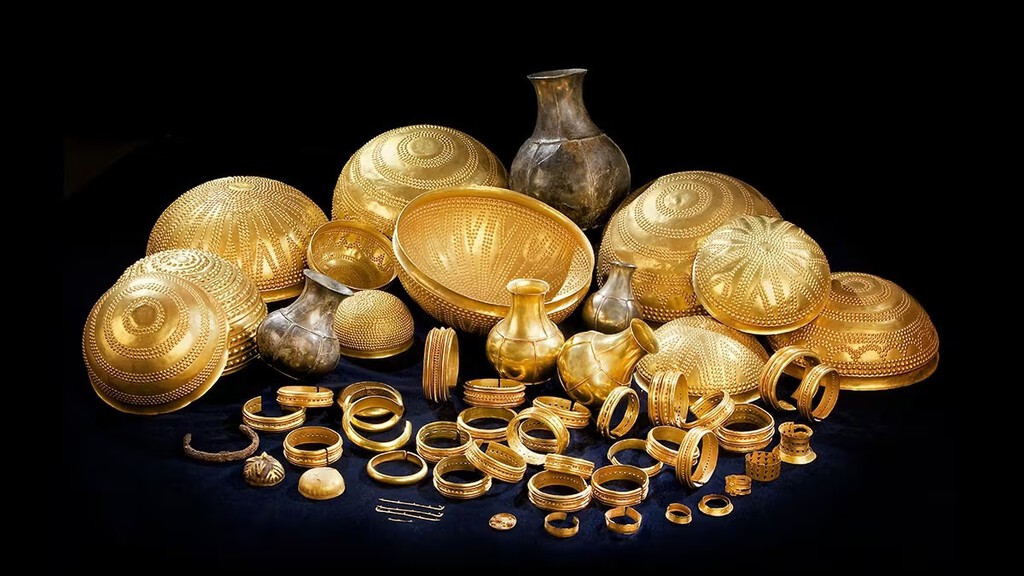
In August, masked thieves stole around ten kilograms of gold, silver, iron, and amber artifacts from the municipal museum in Villena, a town of 35,000 in Alicante. The collection, discovered in 1963 by archaeologist José María Soler, is the second-largest prehistoric gold treasure in Europe after Mycenae.
Find Original, High-end Home Decor that spark conversation at Grand Goldman Shop.
The museum's security system, certified by two audits, included five alarm rings, night cameras, and seismic sensors. None prevented the eight-minute heist, leaving authorities scrambling for answers.
Why Localism Puts Treasures at Risk
The Villena theft is not an isolated incident. In less than four months, other gold pieces disappeared from local museums in Badajoz and Albacete. Europol has detected at least four similar assaults on European cultural institutions between October 2025 and August 2026, pointing to an organized transnational criminal network.
Small museums often lack the resources for cutting-edge security, making them vulnerable targets. Critics argue that housing priceless artifacts in remote locations prioritizes local pride over preservation.
The Case for Local Museums
However, local museums play a vital role in community identity and education. They bring history to life for residents who may never visit major cultural hubs. The Treasure of Villena, for instance, is a source of immense local pride and a key educational tool.
Proponents argue that instead of centralizing collections, the government should invest in security upgrades for smaller institutions. The Ministry of Culture has already called for updated inventories and strengthened coordination with law enforcement.
Security Measures and Their Limits
Even the Louvre, the world's most visited museum, has faced security challenges. The Villena museum's system was considered state-of-the-art, yet it failed. This raises questions about the effectiveness of current security technologies against determined criminals.
Experts suggest a layered approach: physical barriers, advanced surveillance, and rapid response protocols. But ultimately, no system is foolproof. The background to this story is set out in Museums Turn to Licensing Deals as Costs Rise. A related thread runs through Art Heists: Separating Hollywood Hype from Museum Security Reality. Earlier coverage in Clara Peeters Masterpiece Discovered in Museum Storage shows how the argument developed.
What's Next for Spain's Museums?
The Spanish government is under pressure to reassess the distribution of national treasures. Options include creating centralized high-security storage or establishing regional hubs with robust protection. A closer look at the same subject appears in Writers' Houses Museums: A Literary Pilgrimage Through Time. Anyone following the wider picture can start with NHS Trust Scrutiny: Why Local Governors Matter. The same theme surfaces in MP Urges UK Fossil Export Controls for National Treasures, which takes a different angle.
Meanwhile, local communities fear losing their heritage. The debate highlights the tension between accessibility and security, a challenge faced by cultural institutions worldwide. Context on how this played out before sits in Rotterdam's Poetic Bin Lorries Gain Cultural Heritage Status. A companion piece, British Museum's Palantir and BP Links Spark Ethics Debate, approaches the same subject from another angle.
FAQ
What was stolen from the Villena museum?
Around ten kilograms of gold, silver, iron, and amber artifacts, totaling about fifty pieces from the Treasure of Villena, a prehistoric collection.
Why are local museums more vulnerable to theft?
Local museums often have smaller budgets for security and may be located in less monitored areas, making them easier targets for organized crime.
How many museums are there in Spain?
Spain has more than 1,500 museums, many of which are small, locally run institutions.
What is the Spanish government doing to protect cultural heritage?
The Ministry of Culture has requested updated inventories and increased coordination with the Guardia Civil and National Police to prevent further thefts.
Browse the Shop
 Acacia frida deluxe solid wood bed frame |
Bedroom bench |
Bed chest drawers |
Lingerie dresser |
Frame base |
Mirror with jewelry storage |
30 Bathroom Vanity |
Memory foam queen mattress |
Mattresses for back pain |
Nightstand set of 2 |
Grand Goldman Shop |
Civil Lawyer
Deutschland Trikot WM 2026







