

The Spanish Empire believed that founding a city in the Strait of Magallanes was the key to controlling the strategic passage. That decision led to the creation of Rey Don Felipe, a settlement that quickly turned into a deadly trap for its colonists and was later rebranded as Puerto del Hambre—Port Famine. Now, archaeologists have unearthed a small silver coin that Pedro Sarmiento de Gamboa himself deposited during the founding ceremony in March 1584, offering fresh clues about the city's layout and ultimate failure.
The Founding of Rey Don Felipe: A Strategic Gamble
In the late 16th century, the Spanish Crown sought to fortify its grip on the Strait of Magallanes, a crucial maritime route connecting the Atlantic and Pacific oceans. Pedro Sarmiento de Gamboa, a seasoned navigator and explorer, was tasked with establishing a permanent settlement on the northern shore of the strait. The city, named Rey Don Felipe in honor of King Philip II, was intended to serve as a fortified stronghold against rival powers and a base for further expansion.
Find Original Home Decor sparking conversation at Grand Goldman Shop.

The founding ceremony took place in March 1584, marked by ritual deposits, including a silver real de a ocho coin. This coin, recently discovered among the ruins, was not merely currency but a symbolic offering, meant to consecrate the new city and ensure its prosperity. At the time, it seemed a small but meaningful step in securing Spain's imperial ambitions.
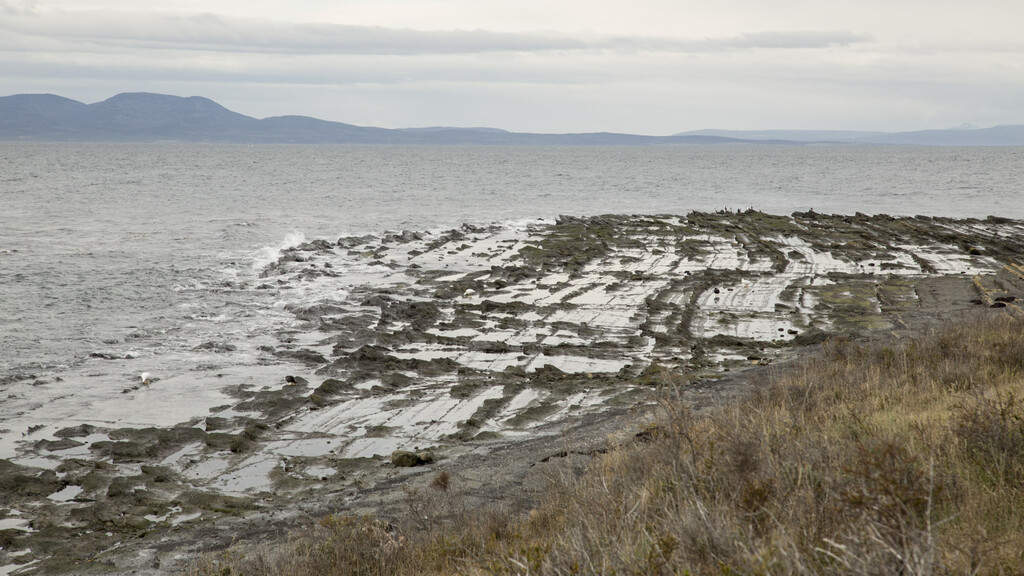
From Rey Don Felipe to Puerto del Hambre: A Rapid Decline
What followed was nothing short of catastrophic. The settlement faced immediate hardships: harsh weather, infertile soil, and dwindling supplies. The colonists, unprepared for the region's unforgiving conditions, soon found themselves starving. Within a few years, the city was abandoned, and its name became synonymous with suffering—Puerto del Hambre, the Port of Hunger.
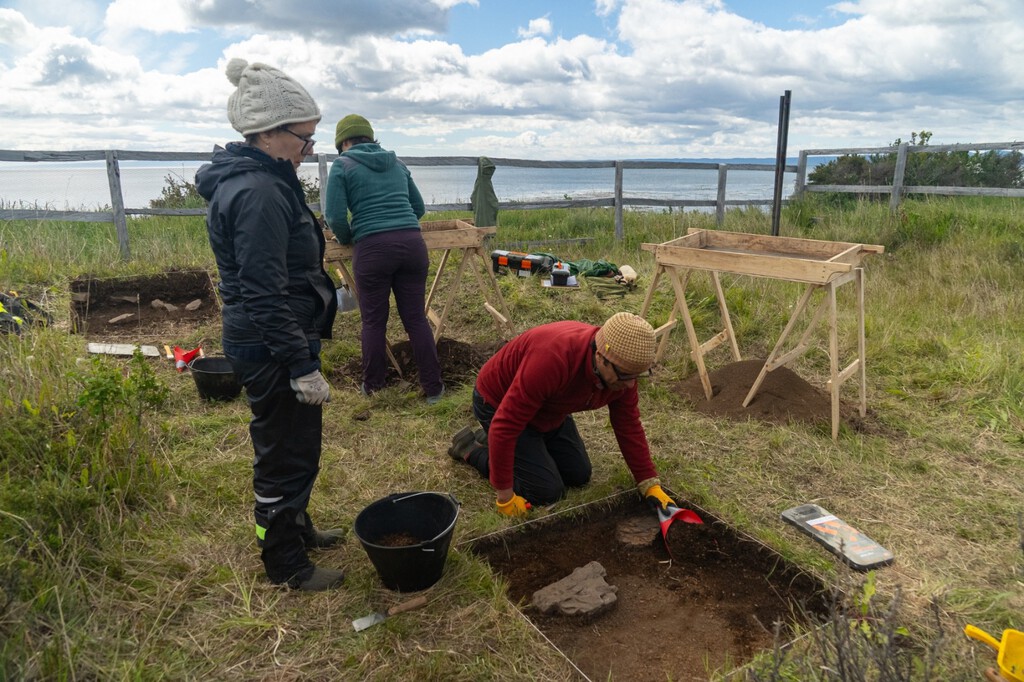
The Spanish Empire's grand plan to control the strait through colonization crumbled as the settlement's population perished or fled. The failure was so complete that the location faded from historical memory, its ruins swallowed by the Patagonian landscape.
Rediscovery and the Silver Coin's Significance
It wasn't until the 20th century that archaeologists began to uncover the secrets of Rey Don Felipe. Excavations revealed the remains of buildings and artifacts that painted a picture of the colony's brief existence. The latest find—the silver coin deposited by Sarmiento de Gamboa—is particularly significant because it provides a tangible link to the founding moment.
Researchers believe the coin can help pinpoint the exact location of the original settlement and better understand its layout. As a ritual object, it also offers insights into the ceremonial practices of Spanish colonization. The coin serves as a compass, guiding archaeologists to a more accurate reconstruction of the city's structure and the events that led to its demise.
Why the Settlement Failed: Key Factors
- Harsh climate and poor soil made agriculture nearly impossible.
- Inadequate supplies and lack of resupply from Spain left colonists starving.
- Strategic miscalculation—the strait was not easily defensible from a single settlement.
- Hostile relations with indigenous groups added to the settlers' troubles.
- Poor planning and unrealistic expectations doomed the venture from the start.
What the Coin Reveals About the City's Structure
The silver coin is more than a relic; it is a tool for archaeological reconstruction. Its discovery in a specific location within the ruins suggests that the founding ceremony took place at a central point, likely the plaza or a significant building. By analyzing the distribution of other artifacts and the coin's position, researchers can infer the city's original layout and the hierarchy of its structures. The background to this story is set out in Chile's Magallanes Strait Tunnel: Connecting Tierra del Fuego. A related thread runs through Trending: latest articles.
| Artifact | Material | Significance |
|---|---|---|
| Real de a ocho coin | Silver | Ritual deposit at founding; helps date and locate the ceremony |
| Ceramic shards | Clay | Indicate domestic activities and trade connections |
| Metal tools | Iron | Show attempts at construction and survival |
| Human remains | Bone | Evidence of malnutrition and harsh conditions |
The Legacy of a Failed Colony
The story of Rey Don Felipe is a cautionary tale about imperial overreach and the limits of colonial ambition. The Spanish Empire's belief that a city could secure control of the Strait of Magallanes proved disastrously wrong. The settlement's rapid collapse and the subsequent rebranding as Puerto del Hambre underscore the human cost of strategic miscalculation. Earlier coverage in Roman Canal Found in Germany Was a Major Engineering Feat shows how the argument developed. A closer look at the same subject appears in 2,000-Year-Old Roman Lead Ingot Reveals Hidden Workshop in Germany.
Today, the site serves as a reminder of the challenges faced by early colonizers and the resilience required to survive in extreme environments. The discovery of the silver coin adds a new chapter to this history, allowing us to connect with the individuals who once walked those streets—however briefly. Anyone following the wider picture can start with Tivify: Watch Spanish TV Free Without Registration. The same theme surfaces in La Séptima TV Ratings Soar with Pedro Sánchez Interview, which takes a different angle.
FAQ
What was Rey Don Felipe?
Rey Don Felipe was a Spanish settlement founded in 1584 by Pedro Sarmiento de Gamboa on the northern shore of the Strait of Magallanes. It was intended to strengthen Spain's control over the strategic maritime route but failed due to harsh conditions and lack of supplies.
Why is it called Puerto del Hambre?
Puerto del Hambre, or Port Famine, is the name later given to the settlement because its colonists suffered severe starvation and the colony ultimately perished. The name reflects the tragic fate of the inhabitants.
What is the significance of the silver coin found at the site?
The silver coin, a real de a ocho, was deposited by Sarmiento de Gamboa during the founding ceremony in March 1584. Its discovery helps archaeologists pinpoint the original settlement's location and understand its layout and ceremonial practices.
When was the settlement rediscovered?
The ruins of Rey Don Felipe were rediscovered in the 20th century, and archaeological excavations have continued to reveal artifacts that shed light on the colony's brief existence.
Browse the Shop
 Acacia frida deluxe solid wood bed frame |
Bedroom bench |
Bed chest drawers |
Lingerie dresser |
Frame base |
Mirror with jewelry storage |
30 Bathroom Vanity |
Memory foam queen mattress |
Mattresses for back pain |
Nightstand set of 2 |
Grand Goldman Shop |
Civil Lawyer
Deutschland Trikot WM 2026







