

World War II ended in May 1945, but for 11 German soldiers stranded on a remote Arctic island, the war dragged on for months. As Europe celebrated victory, these men remained trapped in a secret weather station, forgotten by their command and cut off from the world. Their story is one of the most surreal episodes of the entire conflict.
A War That Ended in May—Except for 11 Germans
On May 7, 1945, Germany signed its unconditional surrender in Reims, which took effect the following day. The Wehrmacht began to demobilize, and the last scattered units laid down their arms. But on Nordaustlandet, an uninhabited island in the Norwegian archipelago of Svalbard, eleven German military personnel were still installed in a secret weather station.
Find Original Home Decor sparking conversation at Grand Goldman Shop.

They had learned of the war's end by radio, but no one had organized their return. Without ships, without aircraft, and with virtually no contact with the outside world, these men would go on to stage the last known surrender of an organized Wehrmacht unit: on September 4, 1945, nearly four months after the rest of Germany.
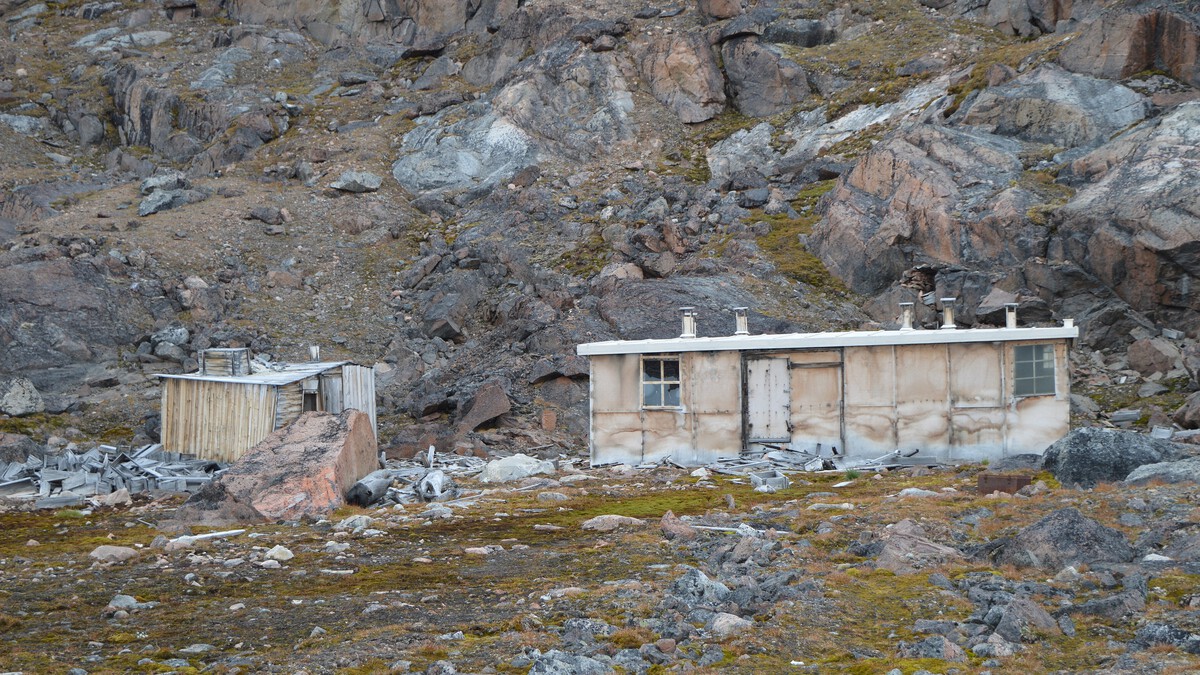
The Best-Kept Military Secret Was in the Weather Report
To understand why Germany had sent soldiers to such a remote corner, one must go back to 1941. The Arctic was a crucial source of meteorological data, and accurate weather forecasts were essential for planning military operations. The Germans established secret weather stations in the far north to gather this intelligence.
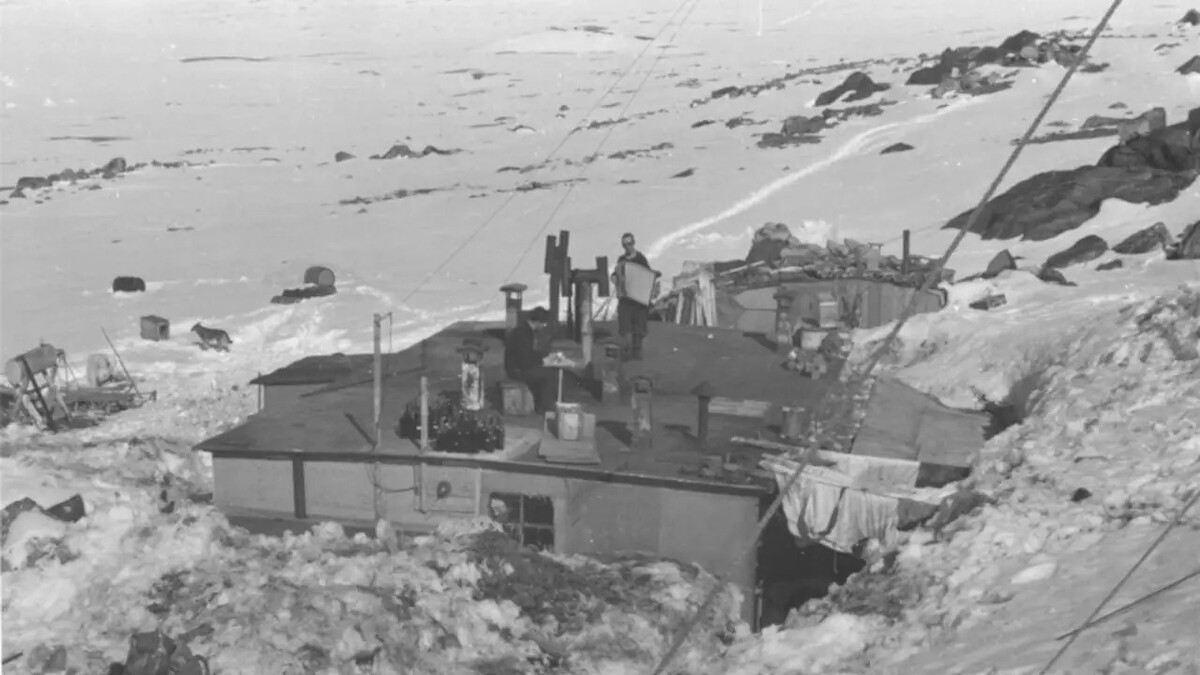
These stations were part of a larger effort to gain a strategic advantage. By monitoring Arctic weather patterns, the Germans could predict conditions for U-boat operations and air missions. The station on Nordaustlandet was one of several such outposts, but it would become the most famous due to its prolonged isolation.
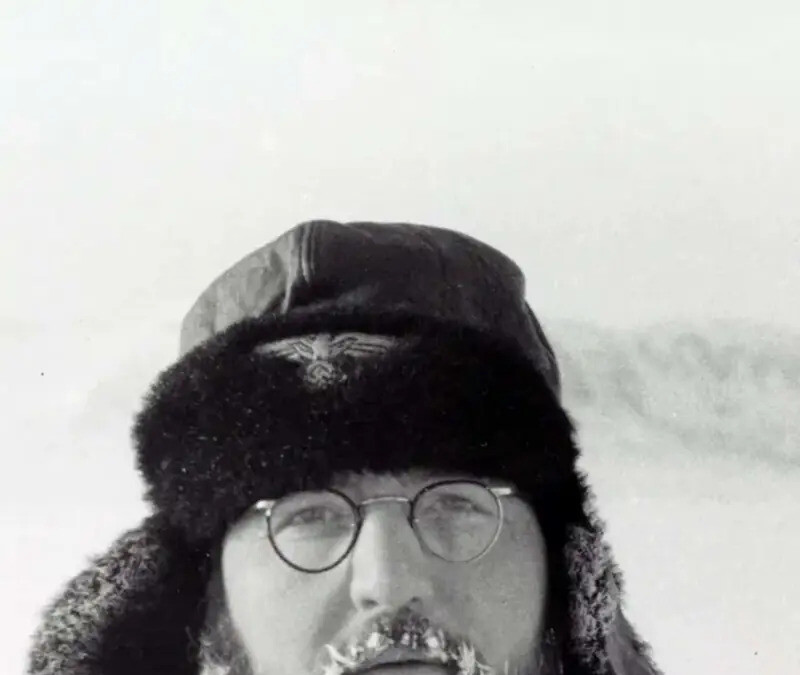
Life on the Island: Isolation and Uncertainty
The men at the station were well-supplied initially, but as the war progressed, resupply missions became infrequent. They lived in harsh conditions, with temperatures often below freezing and polar bears as their only neighbors. Their primary task was to transmit weather data to Germany, but as the war turned against the Reich, their communications grew sporadic.
When the surrender came, they received the news via radio but were left without instructions. They continued to operate the station, unsure of what else to do. The isolation must have been psychologically taxing, knowing the war was over but unable to leave.
The Last Surrender: September 4, 1945
It wasn't until September 4, 1945, that a Norwegian seal-hunting vessel, the Blafjell, stumbled upon the station. The crew was surprised to find German soldiers still operating the weather station. The Germans surrendered without resistance, and the Norwegian crew took them as prisoners.
This event marked the last surrender of a German military unit in World War II. The soldiers were taken to Norway and eventually repatriated to Germany. Their story remained largely unknown until later historical research brought it to light.
Key Takeaways
- 11 German soldiers were stranded on Nordaustlandet, Svalbard, after Germany's surrender in May 1945.
- They operated a secret weather station, providing crucial meteorological data for German military operations.
- They learned of the war's end by radio but had no means to return home.
- Their surrender on September 4, 1945, is considered the last of an organized Wehrmacht unit.
- The story highlights the far-reaching and often forgotten corners of World War II.
Why This Story Matters
This episode underscores the chaos and far-reaching consequences of World War II. Even after the official surrender, pockets of German forces remained isolated, unaware or unable to act on the news. It also illustrates the importance of weather intelligence in military strategy. The background to this story is set out in Svalbard: The Arctic Islands Where Russia Tests NATO's Article. A related thread runs through Svalbard's Fastest-Warming Village: Can Longyearbyen Adapt. Earlier coverage in Woke 1.0 Is Over: The Progressive Mistakes That Ended an Era shows how the argument developed.
The survival of these men in such extreme conditions is a testament to their training and resilience. Their story adds a human dimension to the often abstract narratives of the war. A closer look at the same subject appears in How Unbreakable Kimmy Schmidt Ended My Fashion Industry Dreams. Anyone following the wider picture can start with Soviet Nuclear Lighthouses in the Arctic: A Failed Experiment. The same theme surfaces in US Soldiers Collected Japanese Skulls in World War II, which takes a different angle.
Comparison of German Weather Stations in the Arctic
| Station Name | Location | Operational Period | Notable Events |
|---|---|---|---|
| Station Holzauge | Greenland | 1942-1943 | Discovered by Allies, crew captured |
| Station Schatzgräber | Alexandra Land, Franz Josef Land | 1943-1944 | Crew suffered from trichinosis after eating polar bear meat |
| Station Haudegen | Nordaustlandet, Svalbard | 1944-1945 | Last German unit to surrender, September 4, 1945 |
What to Watch Next
While this story is a historical footnote, it continues to fascinate historians and the public alike. Books and documentaries have explored the fate of these men, and their story serves as a reminder of the war's global reach and the individuals caught in its machinery. Context on how this played out before sits in Hike Europe's Wildest Pilgrimage Trail in Arctic Sweden. A companion piece, Ukraine Strikes Russian Gas Heartland in Arctic Attack, approaches the same subject from another angle.
FAQ
Why were German soldiers in the Arctic during World War II?
They were stationed there to operate a secret weather station, providing crucial meteorological data for German military operations, especially for U-boat and air force planning.
When did the last German unit surrender in World War II?
The last organized German unit surrendered on September 4, 1945, when the crew of the weather station on Nordaustlandet was discovered by a Norwegian vessel.
How did the soldiers survive on the island?
They had supplies and equipment for their mission, and they likely supplemented their diet with local wildlife. However, their isolation and the harsh conditions made survival challenging.
What happened to the soldiers after their surrender?
They were taken as prisoners by the Norwegian crew and eventually repatriated to Germany. Their story remained obscure for decades.
Browse the Shop
 Acacia frida deluxe solid wood bed frame |
Bedroom bench |
Bed chest drawers |
Lingerie dresser |
Frame base |
Mirror with jewelry storage |
30 Bathroom Vanity |
Memory foam queen mattress |
Mattresses for back pain |
Nightstand set of 2 |
Grand Goldman Shop |
Civil Lawyer
Deutschland Trikot WM 2026







