

The world's oldest shipwreck has been discovered off the coast of Kekova Island in Turkey, dating back 4,400 to 4,700 years to the Early Bronze Age. The wreck, announced by Turkey's Minister of Culture and Tourism Mehmet Nury Ersoy, is the most ancient documented shipwreck ever found.
Although the wooden hull has completely disintegrated, archaeologists have identified remnants of the ship's cargo, including stone anchors and pottery. These artifacts provide valuable insights into ancient maritime trade and daily life during the Bronze Age.
Find Original, High-end Home Decor that spark conversation at Grand Goldman Shop.

Discovery of the World's Oldest Shipwreck
The shipwreck was initially found in 2024, but the preliminary paper was published in July. The announcement was made recently by Minister Ersoy on X/Twitter, highlighting that the wreck lies in Mavi Vatan, Turkey's territorial waters.
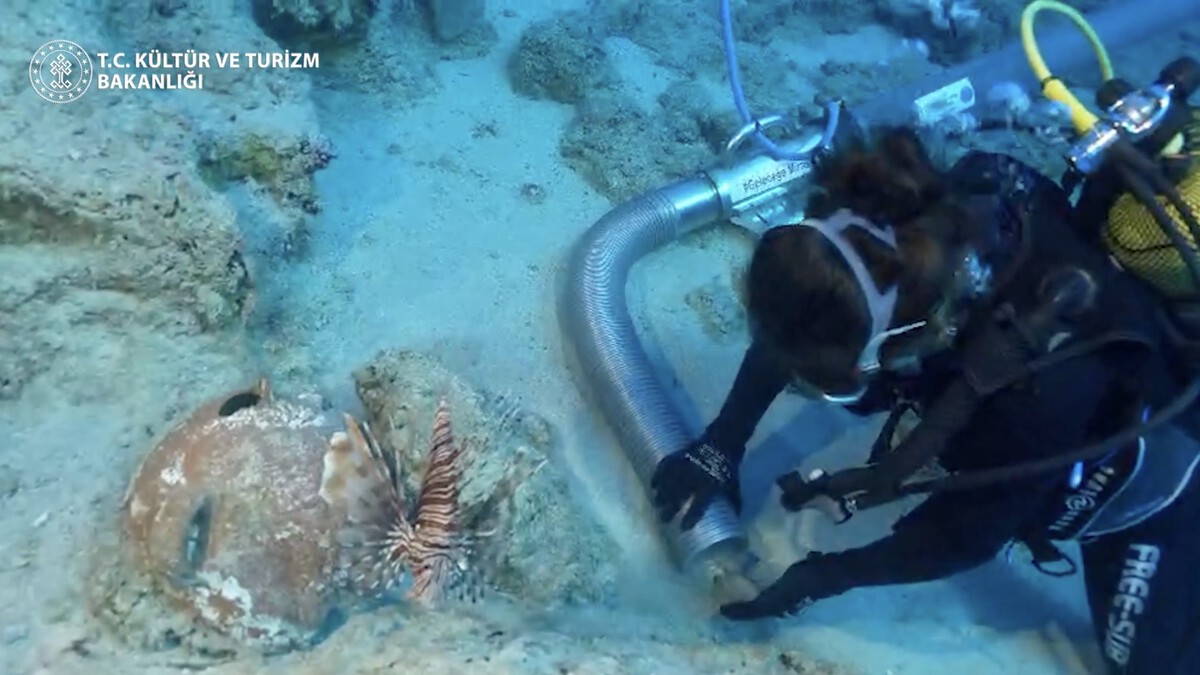
Excavations began in 2026 under the direction of the Antalya Museum and the scientific leadership of Hakan Öniz from Akdeniz University. The project operates with permission from the Ministry of Culture and Tourism.
Archaeologist Karin Sowada from Macquarie University in Australia joined the research and explained to ABC that two types of objects have been uncovered: a series of stone anchors and a significant amount of pottery. The pottery was used to transport food and materials such as grains, oil, resins, and wine.
Some recovered pottery still contains a thick, shiny residue that is currently being analyzed. It could be olive oil, wine, or resins, or even from a later reuse of the jars.
- The shipwreck dates to the Early Bronze Age, around 4,400-4,700 years ago.
- It is located off Kekova Island in Turkey.
- Only cargo remains—stone anchors and pottery—have been found; the wooden hull is gone.
- Excavations are led by the Antalya Museum and Akdeniz University.
- Residue analysis may reveal what the jars once held.
Why This Shipwreck Matters
This discovery is significant because it pushes back the timeline of known maritime trade in the Mediterranean. The artifacts offer a rare glimpse into the economy and logistics of the Early Bronze Age.
The stone anchors and pottery suggest that long-distance trade was already sophisticated thousands of years ago. The residue analysis could confirm what goods were being transported, shedding light on ancient commerce.
According to Sowada, the wreck provides evidence of the earliest known seafaring in the region. It also highlights the importance of underwater archaeology in uncovering lost histories.
What Was Found on the Shipwreck
The excavation has yielded two main categories of artifacts: stone anchors and pottery. The anchors indicate the ship was equipped for mooring, while the pottery was likely used for storage and transport.
Some jars retain a thick, shiny residue that is still being analyzed. This residue could be olive oil, wine, or resins—common trade goods of the era. Alternatively, it might be from a later reuse of the jars, but experts are working to determine the original contents.
| Artifact Type | Description | Significance |
|---|---|---|
| Stone Anchors | Several anchors used for mooring | Indicate ship's equipment and size |
| Pottery | Jars for transporting goods | Show trade in grains, oil, wine, resins |
| Residue | Thick, shiny substance in some jars | May reveal original contents (olive oil, wine, resin) |
Who Is Involved in the Excavation
The excavation is directed by the Antalya Museum, with scientific responsibility held by Hakan Öniz of Akdeniz University. Archaeologist Karin Sowada from Macquarie University in Australia is also part of the team.
The project operates under the permission of Turkey's Ministry of Culture and Tourism. The involvement of international experts underscores the global importance of the find. The background to this story is set out in Roman Shipwreck with 500 Amphorae Found Off Sicily Coast. A related thread runs through Nine New Deep-Sea Sponge Species Discovered Off Alaska Coast. Earlier coverage in Clara Peeters Masterpiece Discovered in Museum Storage shows how the argument developed.
What to Watch Next
Researchers will continue analyzing the residue to determine what the jars once contained. Further excavation may uncover more artifacts and provide additional context about the ship and its cargo. A closer look at the same subject appears in New Australian Stick Insect Species Discovered in Queensland. Anyone following the wider picture can start with First T rex Footprints Discovered in North Dakota Trackway. The same theme surfaces in Nor'easter Uncovers 19th-Century Shipwreck in Massachusetts, which takes a different angle.
The team also plans to study the stone anchors to learn more about the ship's construction and navigation techniques. As the investigation progresses, more details about this ancient vessel and its role in Bronze Age trade are expected to emerge. Context on how this played out before sits in Olga Soffer: Archaeologist Who Revealed Prehistoric Women's Role.
FAQ
How old is the world's oldest shipwreck?The shipwreck dates back 4,400 to 4,700 years, placing it in the Early Bronze Age.
Where was the shipwreck found?It was found off the coast of Kekova Island in Turkey, in the Mediterranean Sea.
What artifacts were discovered?Archaeologists found stone anchors and pottery, some containing a thick residue that is being analyzed.
Why is this shipwreck important?It provides evidence of early maritime trade and seafaring in the Mediterranean during the Bronze Age.
Browse the Shop
 Acacia frida deluxe solid wood bed frame |
Bedroom bench |
Bed chest drawers |
Lingerie dresser |
Frame base |
Mirror with jewelry storage |
30 Bathroom Vanity |
Memory foam queen mattress |
Mattresses for back pain |
Nightstand set of 2 |
Grand Goldman Shop |
Civil Lawyer
Deutschland Trikot WM 2026
Acacia frida deluxe solid wood bed frame |
Bedroom bench |
Bed chest drawers |
Lingerie dresser |
Frame base |
Mirror with jewelry storage |
30 Bathroom Vanity |
Memory foam queen mattress |
Mattresses for back pain |
Nightstand set of 2 |
Grand Goldman Shop |
Civil Lawyer
Deutschland Trikot WM 2026










