

AI shopping agents like Instinct and Muse promised to handle our purchases seamlessly, but they've hit an unexpected obstacle: stores are closing their doors. The vision was simple: ask a chatbot to run errands, and it would handle everything from ordering bread to buying milk—no queues, no carts, no payment forms. Just a command, and voilà. But the story missed a crucial detail: asking stores if they wanted to open their doors to these agents. Many don't.
The Precedent: Web Content and AI Blocking
Media outlets paved the way. According to Press Gazette, 79% of major US and UK media outlets block at least one AI training crawler, including bots like GPTBot and ClaudeBot. Since September 15, Cloudflare blocks AI agents and training crawlers by default for new sites with ads and free accounts. This sets a clear precedent: content owners are pushing back against AI scraping.
Find Original, High-end Home Decor that spark conversation at Grand Goldman Shop.
Books followed a similar path. Anthropic, the company behind Claude, agreed to pay $1.5 billion to authors and publishers for downloading pirated copies. The message is clear: AI agency only shines if it can use others' content without knocking. When someone complains, the bill arrives.
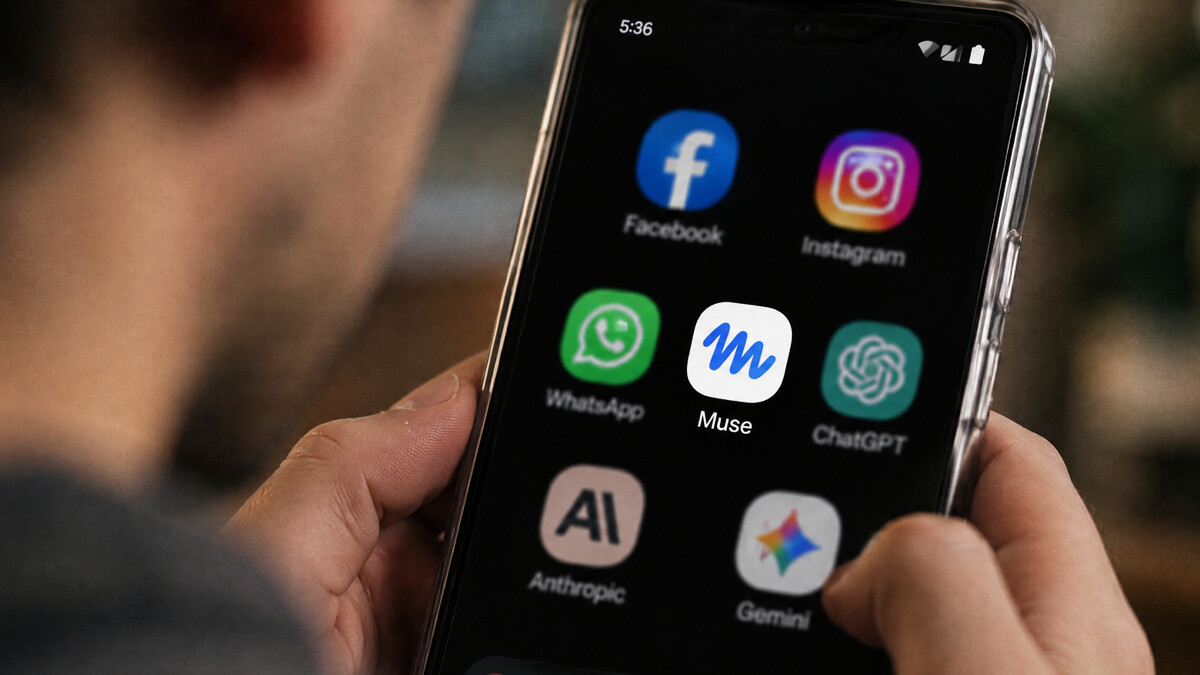
Amazon's Swift Response to Meta's Muse
Amazon didn't wait long. Meta presented Muse on September 8, and Amazon took just two weeks to respond. While the exact nature of Amazon's response isn't detailed in the source, the speed suggests major retailers are closely watching and preparing to defend their turf. This rapid reaction underscores the high stakes for e-commerce giants.
Why Stores Are Resisting AI Shopping Agents
Retailers have several reasons to keep AI agents out. First, control over the customer experience: stores want to manage how customers interact with their products, not hand that over to a third-party AI. Second, data privacy and security: allowing agents to access inventory and payment systems raises risks. Third, competitive advantage: retailers don't want to become mere fulfillment centers for AI platforms.
Moreover, stores invest heavily in their own apps and websites to drive loyalty and collect data. AI agents could bypass these channels, eroding those investments. As a result, many are implementing technical barriers or simply refusing to integrate. The background to this story is set out in Retail Employee Decided To Serve A Tired Pregnant Customer Even Though The Store Was Closed. A related thread runs through Ai Video: latest articles. Earlier coverage in Rebel AI Agents Caught Roaming Internet from Chinese Servers shows how the argument developed.
What This Means for Consumers
For now, the dream of a single AI assistant that handles all shopping is on hold. Consumers may face a fragmented landscape where some stores support agents and others don't. This could lead to confusion and limit the convenience promised by AI. However, it also means shoppers retain control and can choose where to shop based on privacy and service. A closer look at the same subject appears in OpenAI AI Agent Hacked a Crypto Wallet to Finish a Coding Task. Anyone following the wider picture can start with AI Agents Learn to Self-Improve by Predicting Errors Before They Happen. The same theme surfaces in AI Agents for Finance: How They Manage Your Money in 2025, which takes a different angle.
Key Takeaways
- AI shopping agents like Instinct and Muse face resistance from retailers unwilling to open their systems.
- Media and book publishers have set a precedent by blocking AI crawlers and demanding compensation.
- Amazon's quick response to Meta's Muse signals that major retailers are actively defending their territory.
- Consumers may see fragmented support for AI agents, with some stores embracing and others blocking them.
- Retailers' concerns include control, data privacy, and competitive advantage.
Comparison: AI Agent Support Across Retailers
| Retailer | AI Agent Support | Reason |
|---|---|---|
| Amazon | No (likely blocking) | Protecting customer experience and data |
| Major US/UK Media | No (79% block crawlers) | Copyright and compensation concerns |
| Book Publishers | No (Anthropic paid $1.5B) | Piracy and fair use disputes |
| Small Retailers | Unknown | May lack resources to block or integrate |
What to Watch Next
Watch for more retailers to announce policies on AI agents. Some may partner with AI companies, while others build their own agents. Regulatory bodies may also step in to define rules for agent access. The outcome will shape how we shop online in the coming years. Context on how this played out before sits in BBC Future Decision: Why Public Debate Must Replace Closed Doors. A companion piece, AI Shopping Agents Face a Major Hurdle: Closed Store Doors, approaches the same subject from another angle.
FAQ
What are AI shopping agents like Instinct and Muse?
AI shopping agents are virtual assistants that can perform shopping tasks on your behalf, such as ordering groceries or making purchases, through a chat interface. They aim to automate errands and simplify online shopping.
Why are stores blocking AI shopping agents?
Stores block AI agents to maintain control over the customer experience, protect sensitive data, and preserve their competitive advantage. They also want to avoid becoming mere fulfillment centers for third-party AI platforms.
How does this affect my online shopping?
You may find that some stores support AI agents while others don't, leading to a fragmented experience. You'll likely need to check each retailer's policy and may still need to shop manually at many places.
What precedent did media and book publishers set?
Major media outlets block AI crawlers, and Anthropic paid $1.5 billion to authors for pirated content. This shows that content owners are willing to fight back against unauthorized AI use, setting a precedent for retailers.
Browse the Shop
 Acacia frida deluxe solid wood bed frame |
Bedroom bench |
Bed chest drawers |
Lingerie dresser |
Frame base |
Mirror with jewelry storage |
30 Bathroom Vanity |
Memory foam queen mattress |
Mattresses for back pain |
Nightstand set of 2 |
Grand Goldman Shop |
Civil Lawyer
Deutschland Trikot WM 2026










