

The recent software stocks plunge has revealed a stark split in the tech market: while software giants stumble, hardware companies are thriving on AI demand. On February 23, a bad day for software stocks, names like CrowdStrike, Expedia, AppLovin, Adobe, and Datadog stood out in the S&P 500—but not in a good way. These are software companies in an era when AI has dominated tech headlines, and their shares took a hit. Meanwhile, hardware companies are going like a rocket amid a memory RAM crisis. The contrast is striking and raises questions about what's driving this divergence.
Why Software Stocks Took a Hit
The software stocks plunge on February 23 wasn't an isolated event but a symptom of growing anxiety among investors. The trigger? A series of high-profile moves by AI leaders OpenAI and Anthropic. These companies have been very active recently, presenting new models and competing to supply AI systems to the U.S. Department of Defense. When AI giants make waves, software companies tremble—not necessarily because AI will eat their market, but because investors are extremely volatile.
Find Original Home Decor sparking conversation at Grand Goldman Shop.

As The Wall Street Journal noted, February 23 was a disastrous date for software on the stock market. The panic stemmed from the fear that AI could disrupt software business models, even though many software firms are integrating AI models into their systems. The reaction was swift and severe, wiping out billions in market value.
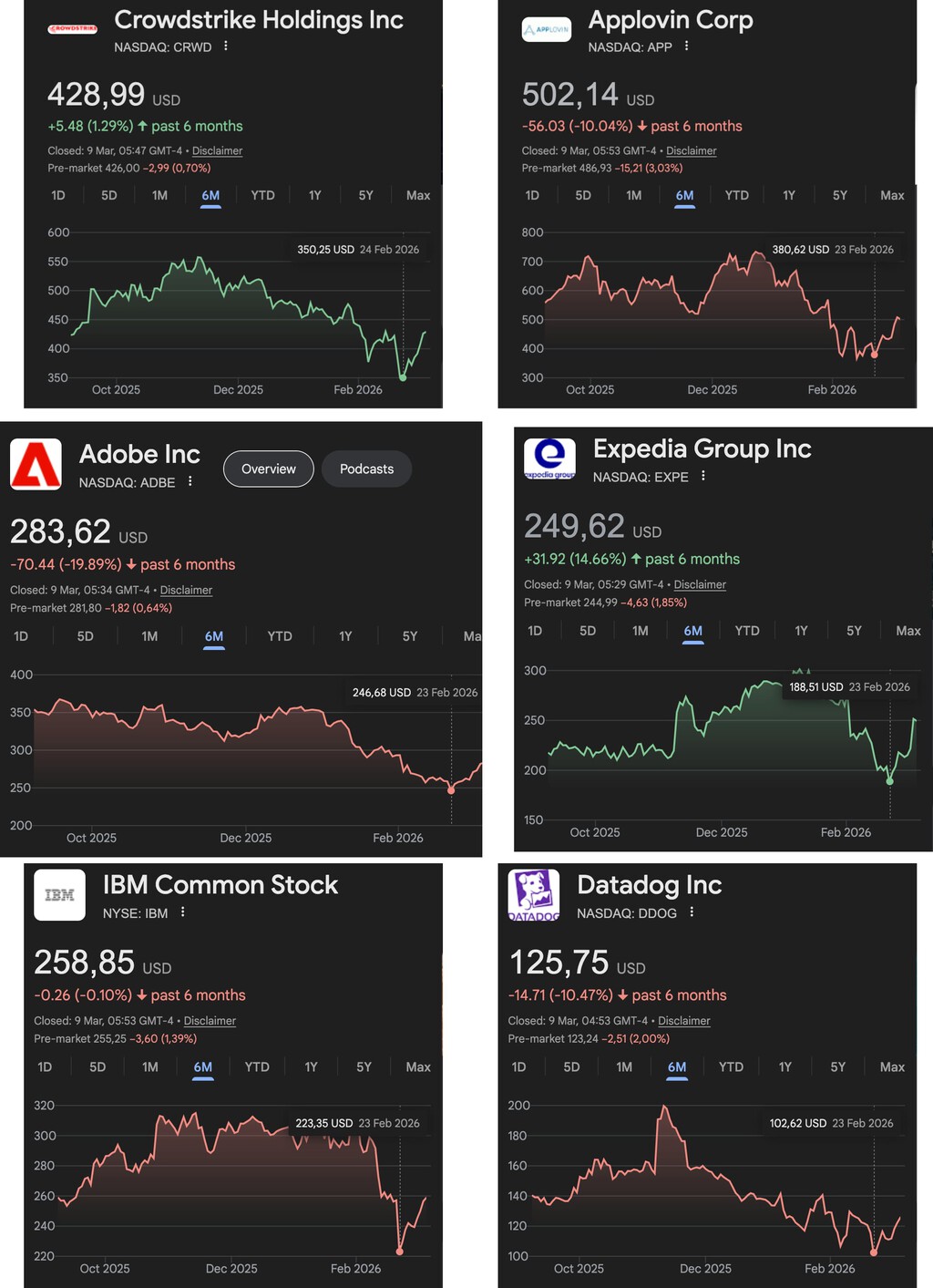
The Hardware Counterpart: Going Like a Rocket
While software stocks floundered, hardware companies have been on a tear. The memory RAM crisis—which has constrained supply and driven up prices—has actually benefited hardware manufacturers. Demand for AI infrastructure, from servers to specialized chips, has skyrocketed, and hardware firms are reaping the rewards.
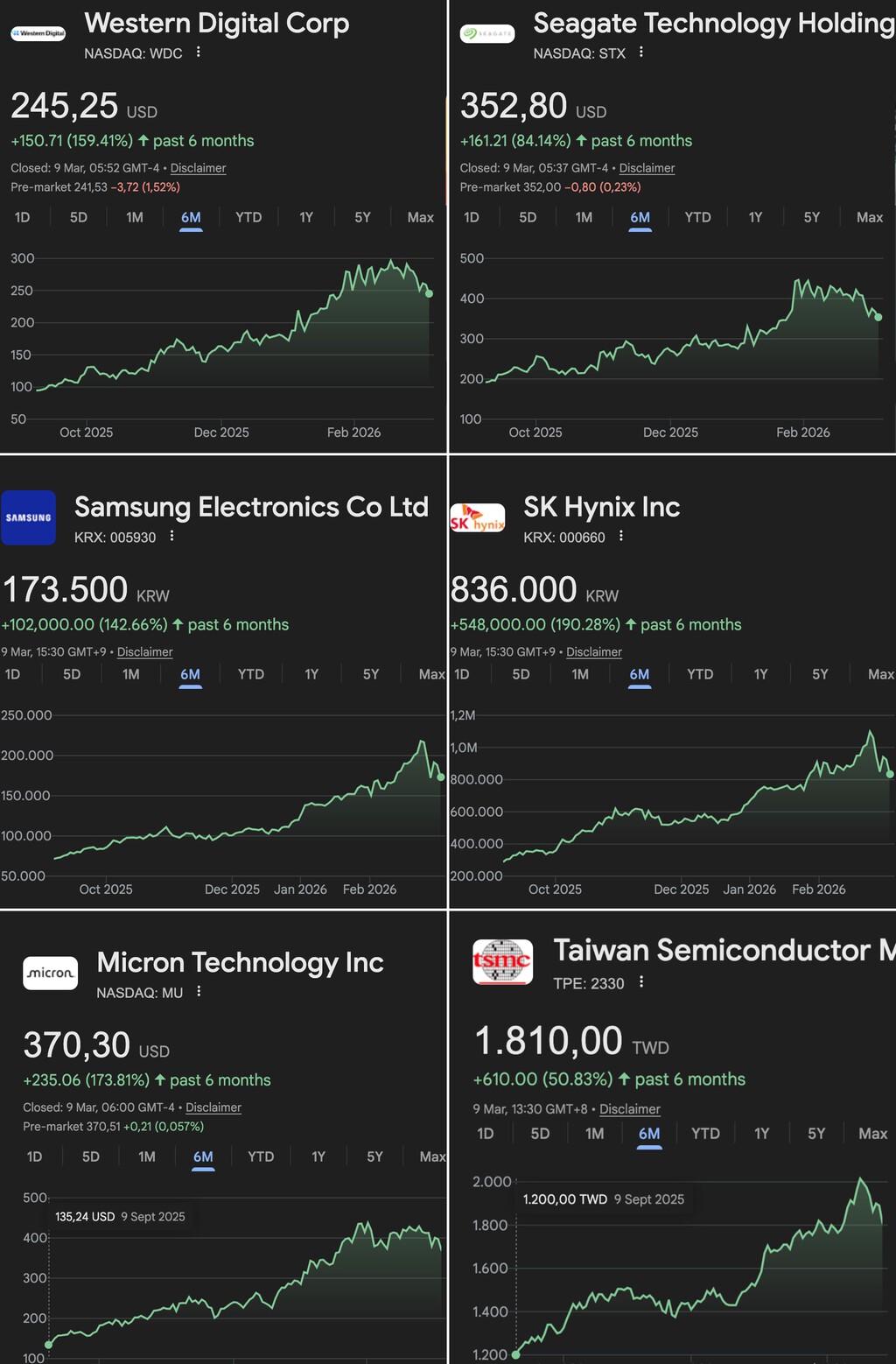
This divergence highlights a fundamental shift: the AI boom is creating winners and losers, and hardware is currently on the winning side. Investors are flocking to companies that provide the physical backbone of AI, seeing them as more resilient to AI disruption than software firms.
Investor Volatility and the AI Fear Factor
The software stocks plunge underscores the extreme volatility of investors in the current climate. The mere announcement of new AI models from OpenAI or Anthropic can send shockwaves through the market, as investors scramble to reassess which companies will thrive and which will falter.
This volatility is not entirely rational. Many software companies are actively incorporating AI into their products, positioning themselves for the future. Yet the market's knee-jerk reaction reveals a deep-seated fear: that AI could render traditional software obsolete. That fear, whether justified or not, is driving significant price swings.
Key Takeaways from the Market Split
- Software stocks plunged on February 23 as investors panicked over AI advancements from OpenAI and Anthropic.
- Hardware companies are thriving amid a memory RAM crisis, driven by AI infrastructure demand.
- Investor volatility is extreme, with software stocks reacting sharply to AI news.
- The AI boom is creating clear winners and losers, with hardware currently on top.
- Many software firms are integrating AI, but market fear persists.
Comparing Software and Hardware Performance
| Aspect | Software Companies | Hardware Companies |
|---|---|---|
| Recent Stock Performance | Plunged on February 23; recovering but volatile | Soaring; benefiting from AI demand |
| Key Drivers | AI disruption fears; investor panic | AI infrastructure demand; memory RAM crisis |
| Examples | CrowdStrike, Expedia, AppLovin, Adobe, Datadog | Memory chip makers, server manufacturers |
| Outlook | Uncertain; integrating AI but facing skepticism | Strong; riding the AI wave |
What This Means for Investors and the Tech Industry
The split between software and hardware stocks reflects a broader reassessment of where value lies in the AI era. Hardware companies are seen as safer bets because they provide the physical tools AI needs, while software firms face questions about their ability to compete with AI-native solutions. The background to this story is set out in US Stock Market Plunge: Tech Giants Fall Up to 19% as AI Fears Grow. A related thread runs through Global Stocks Plunge as AI Slowdown Fears Spread Beyond Tech. Earlier coverage in China's AI Stock Market Plunge: $2.4 Trillion Wiped shows how the argument developed.
However, the situation is fluid. Software stocks have been normalizing since February 23, with many recovering to pre-plunge prices. The market's initial panic may have been overblown, but it underscores the need for investors to stay informed and agile. A closer look at the same subject appears in South Korea's KOSPI Plunge: AI Chip Stocks Face Wall Street Doubts. Anyone following the wider picture can start with China's AI Stock Bubble Bursts: STAR50 Index Plunges 40%. The same theme surfaces in Nvidia Stock Plunge: Huang Affair Sparks $550B Market Cap Loss, which takes a different angle.
For the tech industry, the message is clear: AI is reshaping the landscape, and companies must adapt. Hardware firms are capitalizing on the boom, but software companies that successfully integrate AI could still emerge stronger. Context on how this played out before sits in IBM Stock Plunges 25% as AI Spending Shift Hits Profits. A companion piece, IBM Stock Plunges 25%: Tech Giant's Profit Warning Shakes Markets, approaches the same subject from another angle.
FAQ
What caused the software stocks plunge on February 23?
The plunge was triggered by investor panic following announcements from AI leaders OpenAI and Anthropic, which raised fears that AI could disrupt software business models. The volatility was exacerbated by the high-profile nature of these AI developments.
Why are hardware stocks performing so well?
Hardware companies are benefiting from soaring demand for AI infrastructure, such as servers and memory chips. The memory RAM crisis has constrained supply, driving up prices and profits for hardware manufacturers.
Is the software stocks plunge a long-term trend?
It's too early to tell. While the initial plunge was severe, many software stocks have been recovering. The long-term impact will depend on how well software companies integrate AI and whether investor fears subside.
How should investors interpret this market split?
Investors should recognize that the AI boom is creating distinct winners and losers. Hardware is currently favored, but software companies that adapt could offer opportunities. Staying informed and diversified is key.
Browse the Shop
 Acacia frida deluxe solid wood bed frame |
Bedroom bench |
Bed chest drawers |
Lingerie dresser |
Frame base |
Mirror with jewelry storage |
30 Bathroom Vanity |
Memory foam queen mattress |
Mattresses for back pain |
Nightstand set of 2 |
Grand Goldman Shop |
Civil Lawyer
Deutschland Trikot WM 2026







