

In Norway, archaeologists have recovered 48 objects up to 6,000 years old, but this remarkable find is actually bad news for the planet. The artifacts, found by the Secrets of the Ice team, reveal how quickly global warming is melting ancient ice patches and exposing relics that had been frozen for millennia.
For two decades, researchers have been combing Norway's icy mountain summits for archaeological treasures. Normally, they find items around 2,000 years old. But this latest expedition uncovered arrows and other tools dating back to the Stone and Bronze Ages, indicating that deeper, older layers of ice are now melting.
Find Original, High-end Home Decor that spark conversation at Grand Goldman Shop.

What Was Found in Norway's Melting Ice?
During a three-week expedition, the team recovered 48 arrows—a surprisingly high number. Among them was a slate-tipped arrow with a wooden shaft approximately 6,000 years old. They also found bone points and mussel-shell tips dated between 3,600 and 5,000 years old.
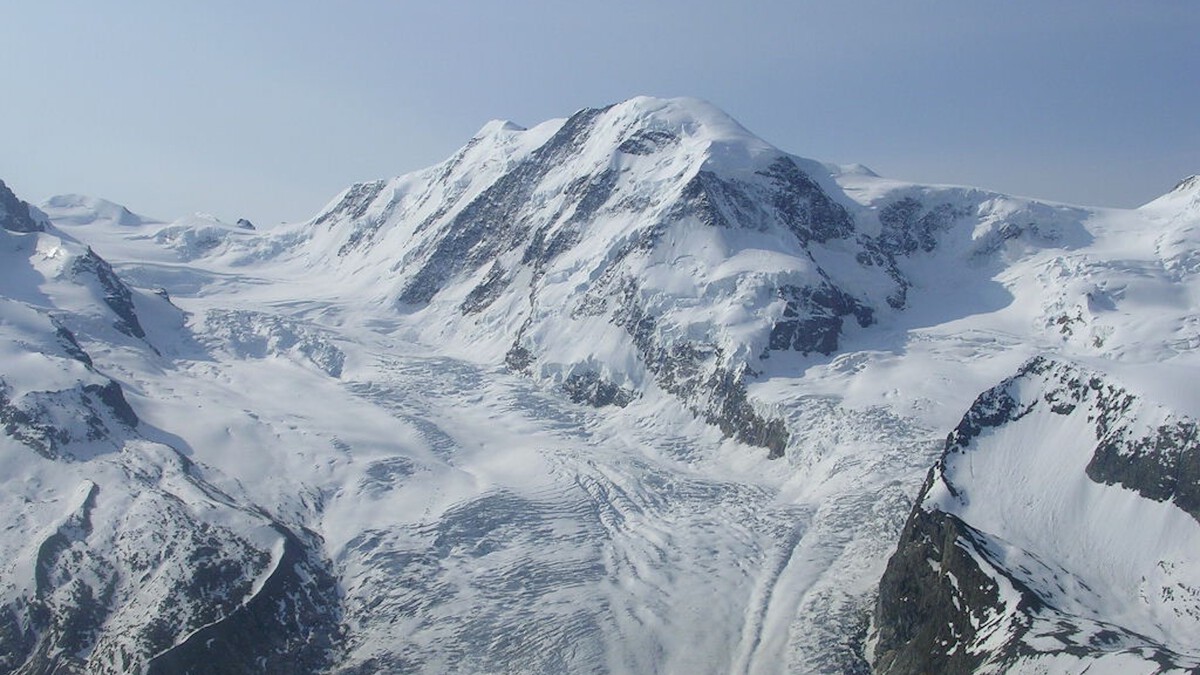
These artifacts belong to the Stone Age and Bronze Age, periods much older than what the researchers typically encounter. The exceptional preservation is due to the ice, which has kept the objects intact for thousands of years.
Why Is This Discovery Alarming?
The ice is retreating at an unprecedented rate. In early expeditions, the team usually found remains from about 2,000 years ago. Now, global warming is accelerating the melt, exposing much deeper layers that hold objects from the Stone and Bronze Ages—items that had been buried for nearly 6,000 years without disturbance.
This shift is a clear signal that the ice patches are melting faster than ever. While the artifacts are invaluable for archaeology, their emergence underscores the speed at which climate change is altering the landscape.
- 48 arrows recovered, including one about 6,000 years old.
- Artifacts from the Stone and Bronze Ages, dating back 3,600 to 6,000 years.
- Previous finds were typically around 2,000 years old.
- Rapid ice melt is exposing deeper, older layers.
- The discovery highlights the impact of global warming on glacial archaeology.
How Fast Is the Ice Melting?
The Secrets of the Ice team has been monitoring Norwegian ice patches for years. They've observed a dramatic change: what used to be stable ice is now receding, revealing artifacts that were once permanently frozen. This year's finds are among the oldest ever recovered by the group.
The melting isn't just a problem for archaeology—it's a symptom of a warming planet. As ice patches disappear, they also release methane and other greenhouse gases, further accelerating climate change.
| Period | Typical Find Age (Past) | Current Find Age |
|---|---|---|
| Early Expeditions | ~2,000 years old | — |
| Recent Expedition | — | Up to 6,000 years old |
What Do the Artifacts Tell Us?
The arrows and other tools offer a glimpse into the lives of ancient hunters who traversed these icy mountains. The slate-tipped arrow, for instance, is a rare find that provides insight into Stone Age hunting techniques. But the fact that these items are now exposed is a double-edged sword.
Once artifacts are exposed to the elements, they begin to deteriorate rapidly. The researchers are in a race against time to recover as many as possible before they are lost forever.
What's Being Done to Preserve the Finds?
The Secrets of the Ice team works tirelessly to document and preserve these artifacts. They conduct surveys, excavate items, and carefully record their context. However, the scale of the melting means they can't save everything.
In June, a separate project saw four students wrap part of a glacier in sheep's wool. They discovered that this slowed the melting by half over 20 years. Such innovative solutions may help protect vulnerable ice patches, but they are not a substitute for reducing global emissions.
What to Watch Next
As temperatures continue to rise, more ancient objects will emerge from the ice. Each find adds to our understanding of human history but also serves as a stark reminder of the climate crisis. The Secrets of the Ice team plans further expeditions to document these rapidly changing landscapes.
For now, the 48 arrows are a testament to both human ingenuity and the urgent need for climate action. They tell a story of ancient hunters and a modern planet in peril.
FAQ
What did archaeologists find in Norway's ice?
They found 48 arrows, including one about 6,000 years old, along with bone points and mussel-shell tips dating back 3,600 to 5,000 years. These artifacts belong to the Stone and Bronze Ages.
Why is this discovery bad news for the planet?
The discovery indicates that ancient ice is melting rapidly due to global warming. The exposure of 6,000-year-old objects shows that deeper, older layers are now thawing, which is a clear sign of accelerating climate change.
How old are the artifacts compared to previous finds?
Previously, the team typically found items around 2,000 years old. This year's finds are much older, dating back up to 6,000 years, indicating that older ice layers are now melting.
What can be done to preserve these artifacts?
Researchers are racing to recover artifacts before they deteriorate. Some innovative methods, like covering glaciers with sheep's wool, have shown promise in slowing melt, but reducing global emissions is the ultimate solution.
For more context on this story, see Arctic Ice Melt Slowdown Ends After Record Winter Decline and Climate Change and Geological Disasters: The Cryosphere Warning. Earlier reporting on the same theme includes Climate Change Rhyme: Rising Temperatures & Emission Urgency, Climate Change Rhyme: Rising Temperatures and Emission Cuts, Surprising ideas to recycle old objects!, 5 great ideas using old objects, Ideas to Turn Old Jeans into Amazing Objects! and 12 ideas to reuse old objects in your home.
Browse the Shop
 Acacia frida deluxe solid wood bed frame |
Bedroom bench |
Bed chest drawers |
Lingerie dresser |
Frame base |
Mirror with jewelry storage |
30 Bathroom Vanity |
Memory foam queen mattress |
Mattresses for back pain |
Nightstand set of 2 |
Grand Goldman Shop |
Civil Lawyer
Deutschland Trikot WM 2026
Acacia frida deluxe solid wood bed frame |
Bedroom bench |
Bed chest drawers |
Lingerie dresser |
Frame base |
Mirror with jewelry storage |
30 Bathroom Vanity |
Memory foam queen mattress |
Mattresses for back pain |
Nightstand set of 2 |
Grand Goldman Shop |
Civil Lawyer
Deutschland Trikot WM 2026










