

Dyson's 20-year robot development journey reveals how the British tech giant manages innovation while diversifying beyond vacuum cleaners. In an exclusive interview, Will Kerr, VP of New Product Development, shared insights from Dyson's Singapore headquarters about the company's strategic overhaul.
Dyson faces a saturated vacuum market with fierce competition and price wars. To avoid the pitfalls of tech companies—over-reliance on a single product, loss of operational agility, and uneven launch cadence—Dyson is doubling down on diversification and its own R&D.
Find Original Home Decor sparking conversation at Grand Goldman Shop.

The Financial and Product Momentum Behind Dyson's Strategy
In 2025, Dyson reported revenue of £6.13 billion and EBITDA of £1.11 billion, up 18%. It launched 13 new products, more than ever in a single year. Yet its global workforce stands at just 14,000, relatively small for its revenue scale. This lean structure underscores Dyson's focus on high-impact R&D rather than sheer size.
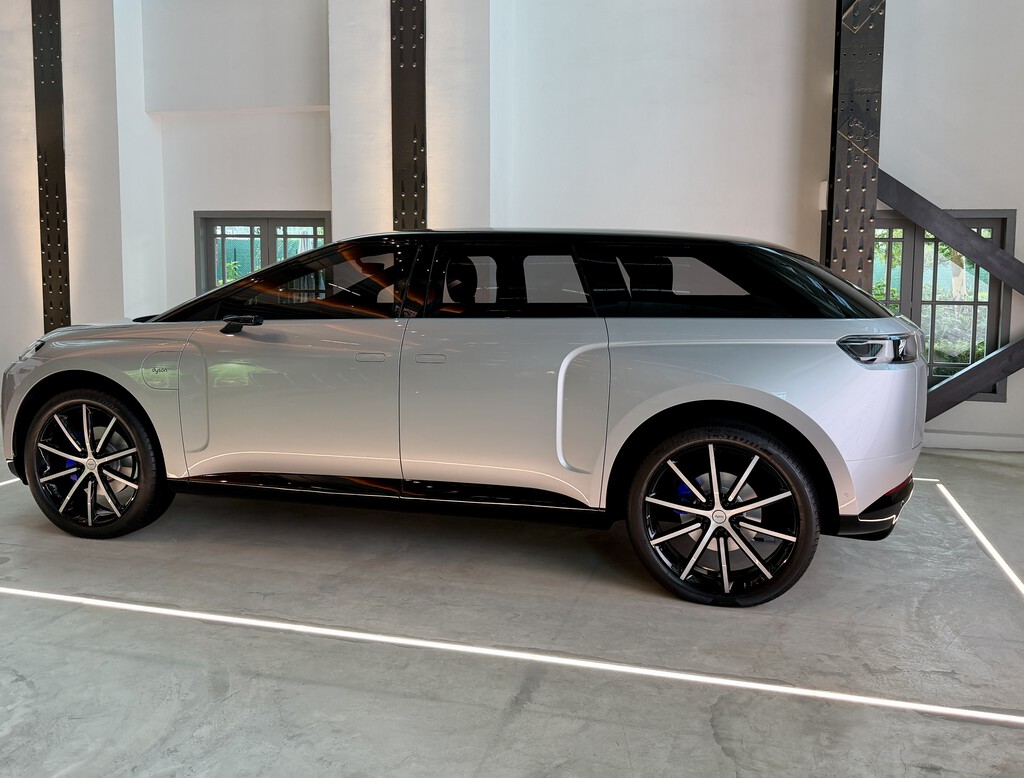
Dyson's strength lies in its in-house research and development. The company invests heavily in core technologies that can be applied across product categories, from motors to batteries to robotics. This approach allows it to enter new markets without starting from scratch each time.
From Vacuum Cleaners to a Diversified Tech Portfolio
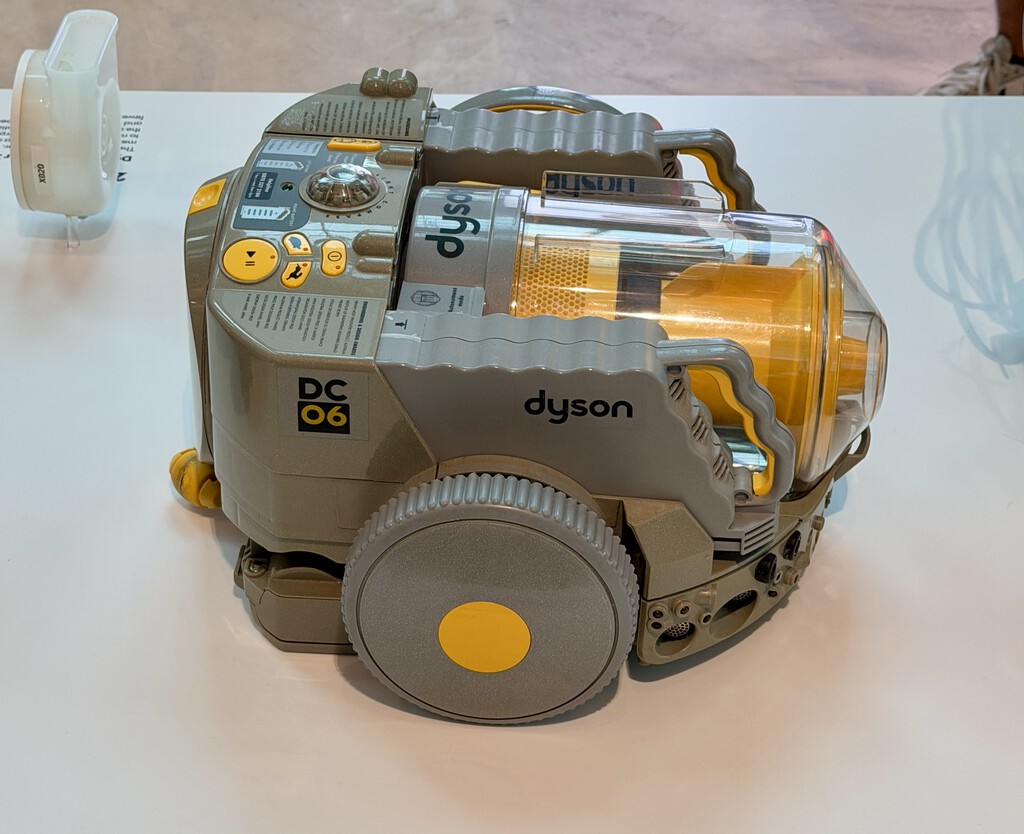
Dyson's evolution from a vacuum cleaner manufacturer to a diversified tech company is striking. The company now produces air purifiers, hair care tools, and even robots. Its first robot, launched 20 years ago, was a early attempt at autonomous cleaning. Today, Dyson continues to refine robotic technologies, aiming to perfect them for consumer use.
Will Kerr emphasized that Dyson's robot program is a long-term endeavor. "We launched our first robot 20 years ago and we're still trying to perfect it," he said. This persistence reflects Dyson's commitment to solving complex engineering challenges, even if it takes decades.
How Dyson Manages Innovation at Scale
Managing innovation in a company of Dyson's size requires a delicate balance. On one hand, the company must maintain agility to respond to market trends. On the other, it needs to coordinate R&D efforts across multiple product lines. Dyson achieves this by fostering a culture of experimentation and by keeping its teams small and focused.
The company's headquarters in Singapore serves as a hub for its global operations. The move of its fiscal base to Singapore in recent years reflects its strategic shift towards Asian markets and supply chains. This geographic diversification also helps Dyson mitigate risks associated with Brexit and other European uncertainties.
Key Takeaways from Dyson's Innovation Playbook
- Long-term commitment: Dyson has been developing robots for 20 years, showing patience in perfecting complex technologies.
- Diversification: The company has expanded beyond vacuums into air treatment, personal care, and robotics to reduce reliance on a single market.
- Lean R&D: With only 14,000 employees, Dyson achieves high revenue through focused in-house research.
- Agile structure: Small, autonomous teams drive innovation and speed to market.
- Global footprint: Moving its fiscal base to Singapore helps Dyson access Asian markets and talent.
Dyson's Product Launches vs. Competitors
| Company | 2025 Revenue | 2025 EBITDA | New Products Launched in 2025 | Global Employees |
|---|---|---|---|---|
| Dyson | £6.13 billion | £1.11 billion | 13 | 14,000 |
| Competitor A (typical) | Varies | Varies | 5-7 | 20,000+ |
| Competitor B (typical) | Varies | Varies | 8-10 | 30,000+ |
Note: Competitor data is illustrative; Dyson's figures are from the source article. The background to this story is set out in Dyson Enters Robot Vacuum Market With Three New Nurovi Models. A related thread runs through Dyson Cyclone V10 Drops to $349 in Amazon Prime Deal: Save 27%. Earlier coverage in Inside Huawei's Ox Horn Campus: Smartwatch Innovation and Future Plans shows how the argument developed.
What This Means for the Tech Industry
Dyson's approach offers lessons for other hardware companies. By maintaining a lean workforce and investing heavily in R&D, Dyson can innovate faster and more efficiently. Its long-term bet on robotics, despite slow progress, demonstrates the value of persistence in breakthrough technologies. A closer look at the same subject appears in Haier I-Pro Clean Series 5 Takes On Roborock and Dyson. Anyone following the wider picture can start with Dyson Launches £420 Smart Toothbrush with Live Mouth Camera. The same theme surfaces in Hiring Managers Shared Their Strangest Interview Experiences, which takes a different angle.
Moreover, Dyson's diversification strategy reduces risk. If one product category faces stagnation, others can compensate. This is particularly important in the volatile consumer electronics market, where trends shift rapidly. Context on how this played out before sits in Dyson Airwrap i.d. Hits Lowest Price Ever at MediaMarkt. A companion piece, Dyson Cordless Vacuum Sale: 5 Models at Record Low Prices, approaches the same subject from another angle.
FAQ
What is Dyson's robot development history?
Dyson launched its first robot 20 years ago and has been continuously working to perfect it. The company views robotics as a long-term project, with Will Kerr noting that they are still trying to perfect the technology.
How many products did Dyson launch in 2025?
Dyson launched 13 new products in 2025, the most in a single year in its history. This reflects its accelerated innovation pace and diversification strategy.
Why did Dyson move its headquarters to Singapore?
Dyson relocated its fiscal base to Singapore to be closer to Asian markets and supply chains. This move also helps mitigate risks from Brexit and other European uncertainties.
What is Dyson's innovation strategy?
Dyson's strategy focuses on in-house R&D, diversification beyond vacuum cleaners, and a lean organizational structure. It invests in core technologies that can be applied across multiple product categories, ensuring long-term growth.
Browse the Shop
 Acacia frida deluxe solid wood bed frame |
Bedroom bench |
Bed chest drawers |
Lingerie dresser |
Frame base |
Mirror with jewelry storage |
30 Bathroom Vanity |
Memory foam queen mattress |
Mattresses for back pain |
Nightstand set of 2 |
Grand Goldman Shop |
Civil Lawyer
Deutschland Trikot WM 2026







