

The Aérotrain, France's revolutionary hovertrain, reached a world record speed of 430.4 km/h in March 1974, yet was cancelled just months later. This is the story of a technology that was ahead of its time but ultimately failed to fit the system around it.
What Was the Aérotrain?
Conceived in the 1950s by engineer Jean Bertin, the Aérotrain was a vehicle that floated on a cushion of air above a single concrete track shaped like an inverted “T”. Unlike conventional trains, it had no wheels and used powerful fans to generate the air cushion.
Find Original, High-end Home Decor that spark conversation at Grand Goldman Shop.
Long-distance prototypes were powered by gas turbines, while the suburban version, the S44, used an electric linear motor. The concept promised smooth, very high-speed travel without the friction of steel wheels on rails.
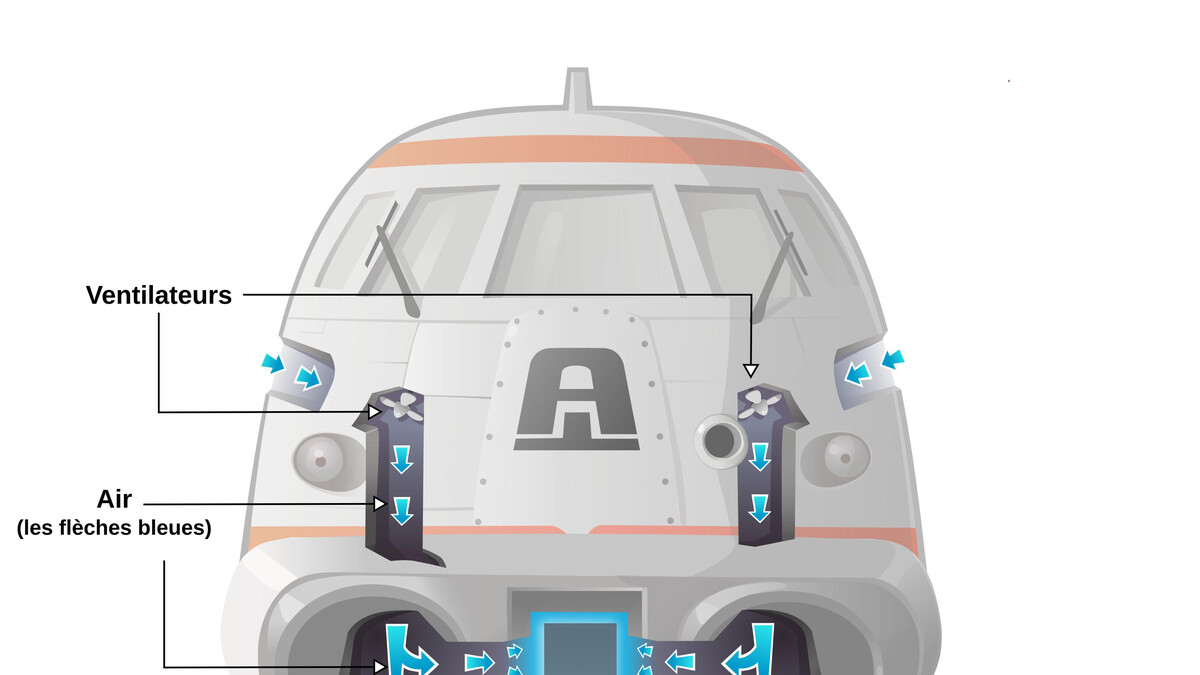
The Record-Breaking Run
On a test track near Orléans, the Aérotrain I80-HV, fitted with a jet engine, achieved 430.4 km/h. That speed remains a world record for overland air-cushion vehicles. It demonstrated that the technology was technically feasible and capable of extraordinary performance.
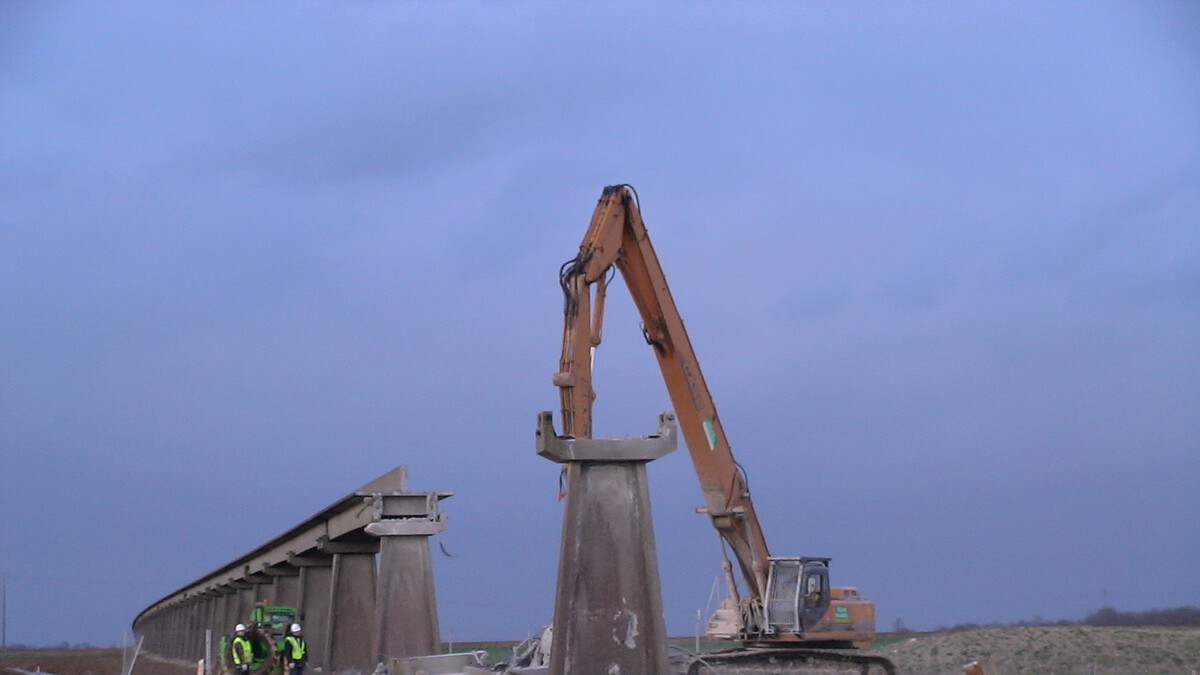
The achievement captured public imagination and seemed to herald a new era of transport. However, the triumph would be short-lived.
Why Was the Aérotrain Cancelled?
In July 1974, newly elected President Valéry Giscard d'Estaing ended funding for the Aérotrain project. The decision backed the SNCF and its conventional high-speed TGV trains, which were already under development.
But the cancellation was not simply a matter of one technology being better than another. A French study on the case concluded that technical, economic, political, and cultural factors together explain the failure—no single reason suffices. Context on how this played out before sits in Aérotrain: France's 430 km/h Hovertrain That Never.
Technically, the Aérotrain required an entirely new infrastructure: a dedicated concrete guideway that could not be shared with existing railways. Economically, building that network from scratch was daunting. Politically, the project lacked a powerful champion after Bertin's death in 1975, and the new president favored the TGV. Culturally, the TGV represented an evolution of France's beloved railway system, while the Aérotrain was a radical departure. The background to this story is set out in Car: latest articles. A related thread runs through France's 1857 Pine Forest: A Million Hectares Now Unmanageable.
Aérotrain vs. TGV: Key Differences
| Feature | Aérotrain | TGV |
|---|---|---|
| Levitation method | Air cushion (hover) | Steel wheels on rails |
| Infrastructure | Dedicated concrete guideway | Compatible with existing rail network |
| Propulsion | Gas turbine or linear electric motor | Electric overhead lines |
| Record speed (1974) | 430.4 km/h | Not yet achieved |
| Status | Cancelled in 1974 | Became France's high-speed rail backbone |
What We Can Learn from the Aérotrain
- Technical superiority alone is not enough—adoption depends on infrastructure, politics, and economics.
- Compatibility matters: the TGV could use existing tracks, reducing costs and political resistance.
- Timing and leadership are critical; the Aérotrain lost its champion when Bertin died.
- Public perception can favor the familiar over the revolutionary.
- Records don't guarantee survival—the 430 km/h feat was impressive but not enough to secure funding.
The Legacy of the Hovertrain
Although the Aérotrain never entered commercial service, its spirit lives on in later maglev and high-speed rail projects. The idea of floating above the track to eliminate friction continues to inspire engineers. Earlier coverage in Claude Opus 5.5: Faster, Cheaper AI With New Safety Limits shows how the argument developed. A closer look at the same subject appears in World's Tallest Wind Turbine Hits a Crane Height Problem.
Today, France's TGV network is a source of national pride, but the Aérotrain remains a fascinating footnote—a reminder that innovation is not just about speed, but about fit. Anyone following the wider picture can start with Qualcomm Snapdragon 8 Elite Gen 6 vs Extreme: What You Need to Know. The same theme surfaces in Spanish Couple Leaves City for Farm Life and Becomes Viral Star, which takes a different angle.
FAQ
How fast did the Aérotrain go?
The Aérotrain I80-HV reached a top speed of 430.4 km/h in March 1974, setting a world record for air-cushion vehicles.
Why was the Aérotrain cancelled?
President Valéry Giscard d'Estaing ended funding in July 1974 in favor of the SNCF's TGV. A combination of technical, economic, political, and cultural factors led to the cancellation.
Was the Aérotrain better than the TGV?
Technically, the Aérotrain was faster and smoother, but it required an entirely new infrastructure. The TGV could use existing tracks and had stronger political backing, making it more practical.
What happened to Jean Bertin?
Jean Bertin, the engineer behind the Aérotrain, died in 1975. Without his advocacy, the project lost momentum and was ultimately abandoned.
Browse the Shop
 Acacia frida deluxe solid wood bed frame |
Bedroom bench |
Bed chest drawers |
Lingerie dresser |
Frame base |
Mirror with jewelry storage |
30 Bathroom Vanity |
Memory foam queen mattress |
Mattresses for back pain |
Nightstand set of 2 |
Grand Goldman Shop |
Civil Lawyer
Deutschland Trikot WM 2026










