

The first nonstop transatlantic flight was achieved by John Alcock and Arthur Whitten Brown in a Vickers Vimy biplane in June 1919. This remarkable feat marked a turning point in aviation history, proving that long-distance air travel was possible and paving the way for modern transatlantic flights.
The Dawn of Transatlantic Aviation
Just over a century ago, the Atlantic Ocean was a formidable barrier for aviation. In 1919, two men prepared to cross it without a single stop, seated in the open cockpit of a biplane that seemed surprisingly small by today's standards. The attempt came at a unique moment: only 16 years had passed since the Wright brothers' first flight, but World War I had greatly accelerated the development of engines, structures, and aircraft capable of staying airborne longer.
Find Original, High-end Home Decor that spark conversation at Grand Goldman Shop.
The Atlantic had, in fact, just been crossed by air: weeks earlier, the U.S. Navy's NC-4 flying boat had completed the journey in stages. John Alcock and Arthur Whitten Brown sought something different: to cross the ocean in one go, without stopping between America and Europe.
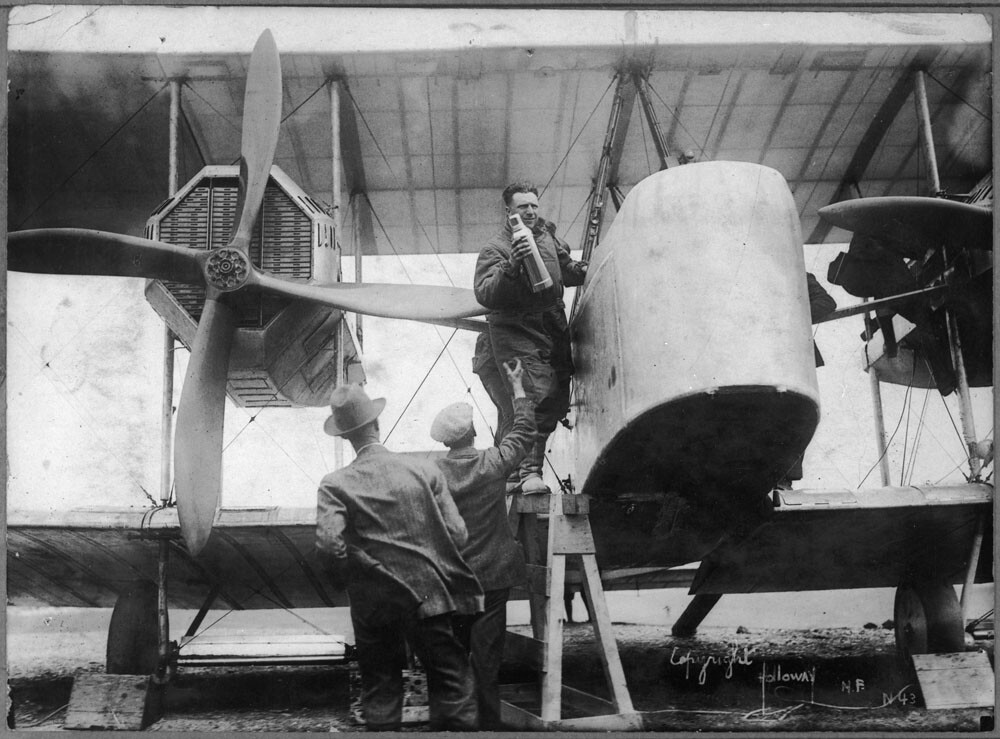
The Vickers Vimy: A Bomber Turned Record-Breaker
The aircraft chosen was a Vickers Vimy, a heavy British bomber developed during World War I that arrived too late for combat. It had a length of 13.27 meters and a wingspan of 20.47 meters. This large biplane was designed for bombing missions but would become famous for its role in the historic flight.
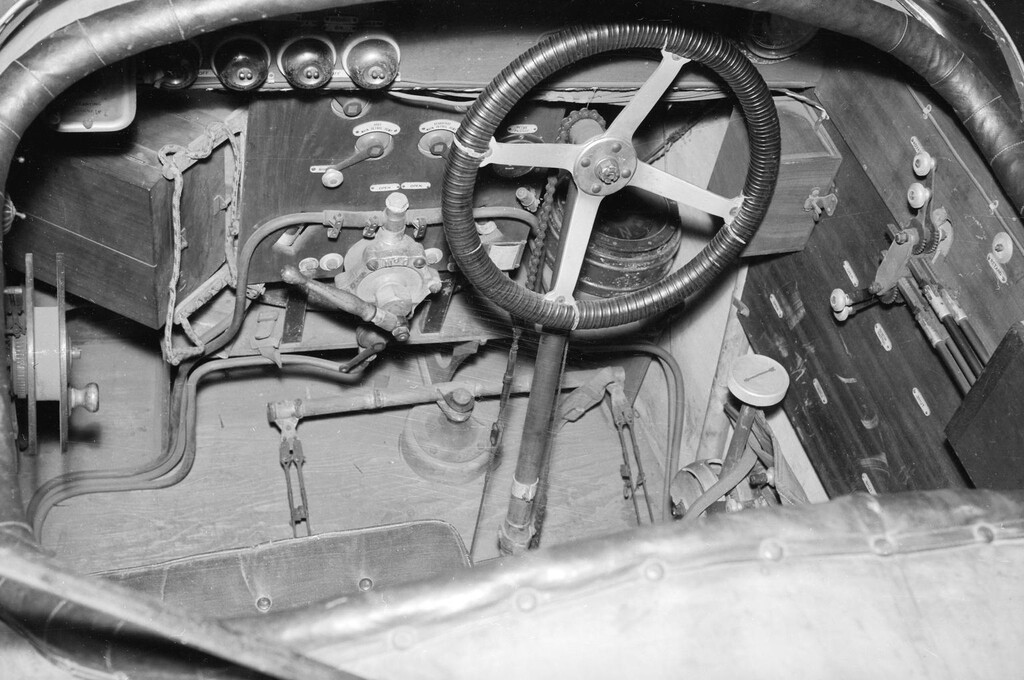
The Vimy was powered by two Rolls-Royce Eagle engines, each producing 360 horsepower. Its wooden and fabric construction, typical of the era, meant the aircraft was lightweight but vulnerable to the elements. The open cockpit offered no protection from the cold and wind, making the journey physically demanding for the crew. The longer history behind the story is traced in London's Supercar Problem: 99% of Foreign Fines Go Unpaid.
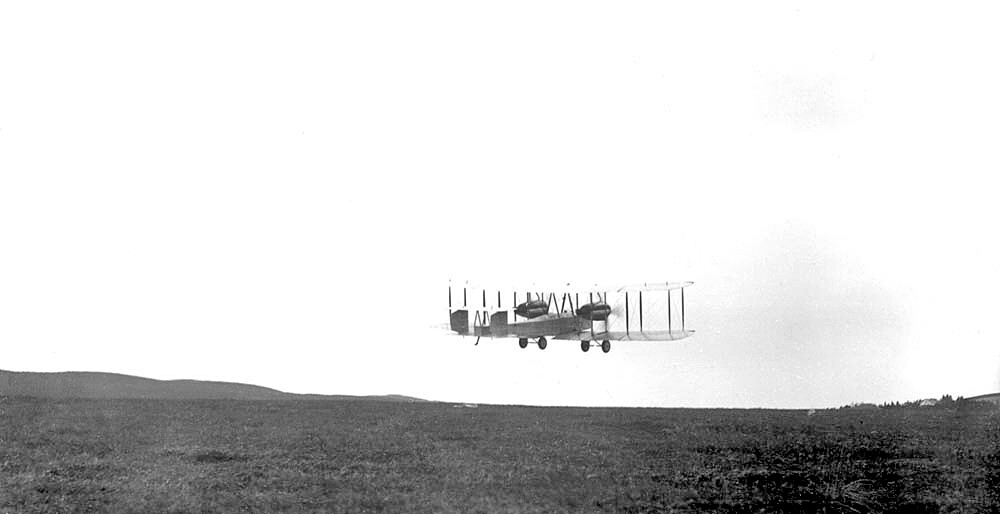
The Epic Journey: From Newfoundland to Ireland
Alcock and Brown took off from St. John's, Newfoundland, on June 14, 1919, and landed in Clifden, Ireland, on June 15, after approximately 16 hours of flight. They faced numerous challenges, including fog, ice, and mechanical issues. At one point, they had to climb out of the cockpit to clear ice from the engines. Context on how this played out before sits in Germany's Train Punctuality Crisis: 400 Stranded in Tunnel. A companion piece, First Nonstop Transatlantic Flight: The 1919 Vickers Vimy, approaches the same subject from another angle.
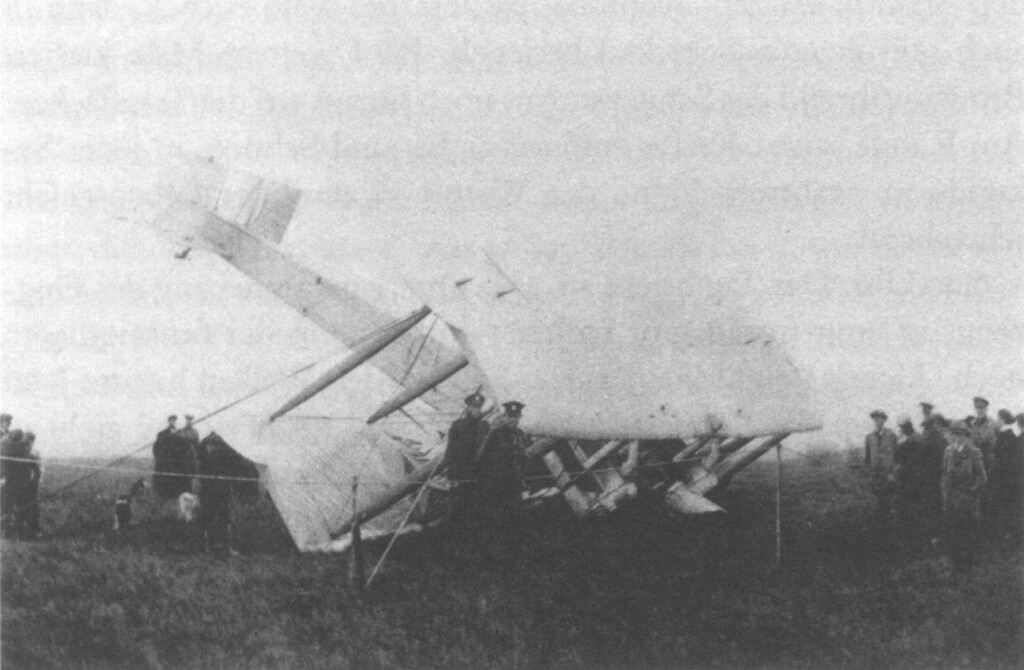
Despite the hardships, they completed the first nonstop transatlantic flight, covering a distance of about 3,040 kilometers (1,890 miles). Their achievement won them a £10,000 prize offered by the Daily Mail and worldwide acclaim. The background to this story is set out in Weather's Role in Early Transatlantic Flight Attempts. A related thread runs through Car: latest articles.
Why This Flight Mattered
The first nonstop transatlantic flight demonstrated the potential of aviation for long-distance travel. It proved that aircraft could connect continents, setting the stage for the development of commercial air travel. Today, crossing the Atlantic by plane is routine, with modern jets like the Boeing 787 and Airbus A350 carrying hundreds of passengers. Earlier coverage in Toyota's 700-Ton Komatsu Press: 90 Years Old and Running Again shows how the argument developed. A closer look at the same subject appears in O2 Fiber Outage Returns as A-5 Tunnel Works Disrupt Internet.
The flight also highlighted the rapid progress in aviation technology. In just a few decades, aircraft evolved from fragile biplanes to sophisticated machines capable of crossing oceans safely and efficiently. Anyone following the wider picture can start with Western Sydney Airport Inaugural Flight: A Historic First Journey. The same theme surfaces in Derren Brown's Only Human: Nostradamus-Inspired Stunts Reviewed, which takes a different angle.
Key Takeaways from the First Nonstop Transatlantic Flight
- John Alcock and Arthur Whitten Brown made the first nonstop transatlantic flight in June 1919.
- They flew a Vickers Vimy biplane, a modified World War I bomber.
- The journey took about 16 hours, from Newfoundland to Ireland.
- They overcame severe weather, ice, and mechanical problems.
- Their achievement accelerated the development of commercial aviation.
Comparing the Vickers Vimy to Modern Aircraft
| Feature | Vickers Vimy (1919) | Boeing 787 Dreamliner (2019) |
|---|---|---|
| Crew | 2 | 2 pilots + cabin crew |
| Passengers | 0 | 242-330 |
| Range | ~3,040 km | ~14,000 km |
| Cruising Speed | ~160 km/h | ~900 km/h |
| Engines | 2 x Rolls-Royce Eagle (360 hp each) | 2 x GEnx or Rolls-Royce Trent 1000 |
FAQ
Who made the first nonstop transatlantic flight?
John Alcock and Arthur Whitten Brown made the first nonstop transatlantic flight in June 1919.
What aircraft was used for the first nonstop transatlantic flight?
They used a Vickers Vimy, a British heavy bomber developed during World War I.
How long did the first nonstop transatlantic flight take?
The flight took approximately 16 hours, from Newfoundland to Ireland.
Why is the first nonstop transatlantic flight significant?
It proved that long-distance air travel was possible and paved the way for modern commercial aviation.
Browse the Shop
 Acacia frida deluxe solid wood bed frame |
Bedroom bench |
Bed chest drawers |
Lingerie dresser |
Frame base |
Mirror with jewelry storage |
30 Bathroom Vanity |
Memory foam queen mattress |
Mattresses for back pain |
Nightstand set of 2 |
Grand Goldman Shop |
Civil Lawyer
Deutschland Trikot WM 2026







