

In 1942, Japan was desperate to gain the upper hand in the Pacific War against the United States, so it developed the submarine aircraft carrier—a hybrid vessel capable of launching aircraft from beneath the waves. This ambitious project aimed to bring the war to American shores.
The Origins of the Submarine Aircraft Carrier
The idea emerged in 1941, shortly after the attack on Pearl Harbor. Japan sought to exploit the surprise advantage it had gained and strike the U.S. mainland directly. However, the targets were too far for conventional aircraft to reach.
Find Original Home Decor sparking conversation at Grand Goldman Shop.

Admiral Isoroku Yamamoto, commander of the Combined Fleet, proposed building submarines that could carry aircraft. These vessels would approach the U.S. West Coast, launch attacks, and return without refueling—a bold strategy to extend Japan's reach.
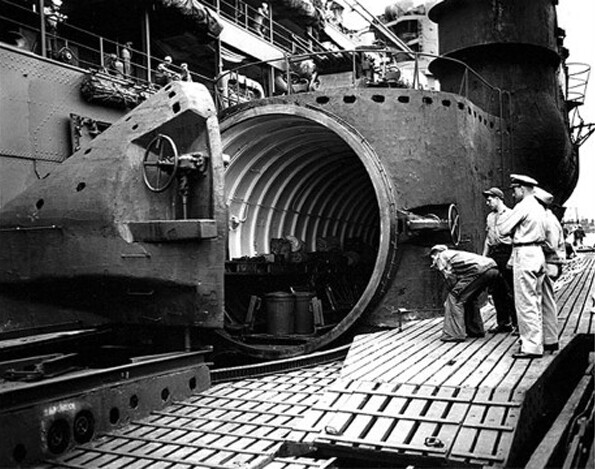
Design and Development of the I-400 Class
The Imperial Japanese Navy embarked on an ambitious program to build the I-400-class submarines, the largest submarines of World War II. Each was designed to carry three Aichi M6A Seiran aircraft, which could be launched via a catapult and recovered after landing on the water.
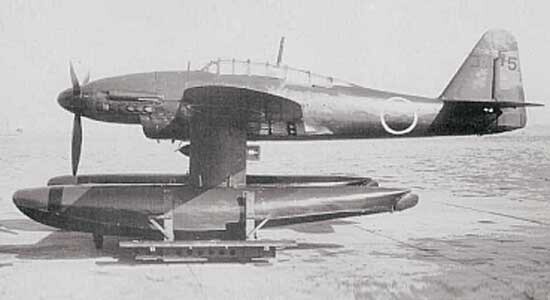
The submarines were massive, over 400 feet long, and could travel 37,500 nautical miles—enough to circle the globe one and a half times. They were equipped with a watertight hangar and a deck catapult, making them true underwater aircraft carriers.
Key Features of the I-400 Class
- Displacement: 6,560 tons (submerged)
- Length: 400 feet
- Aircraft capacity: 3 Seiran bombers
- Range: 37,500 nautical miles
- Armament: 8 torpedo tubes, 1 14cm deck gun, 3 25mm anti-aircraft guns
Operational History and Challenges
Despite their impressive specifications, the I-400 submarines never saw combat. By the time they were ready in 1945, Japan was on the defensive, and the war was nearing its end. The planned attack on the Panama Canal was cancelled, and the submarines were eventually captured by American forces.
The project faced numerous challenges, including technical difficulties, resource shortages, and the shifting priorities of the war. The submarines were also vulnerable to detection and attack by Allied forces. The background to this story is set out in Trump Orders Steam Catapults for Navy Aircraft Carriers. A related thread runs through France Sold Brazil a 265-Meter Aircraft Carrier With a Toxic Surprise. Earlier coverage in US Aircraft Carrier Arrives in Middle East to Relieve USS Lincoln shows how the argument developed.
Comparison with Other Submarines
| Class | Country | Displacement (tons) | Aircraft Capacity | Number Built |
|---|---|---|---|---|
| I-400 | Japan | 6,560 | 3 | 3 |
| Type IX | Germany | 1,120 | 0 | 193 |
| Gato | USA | 1,525 | 0 | 77 |
Legacy of Japan's Submarine Aircraft Carriers
The I-400 class represented a remarkable feat of engineering but ultimately failed to change the course of the war. Their story highlights Japan's desperate efforts to turn the tide and the innovative, if impractical, solutions they pursued. A closer look at the same subject appears in Trump Orders Steam Catapults for New Aircraft Carrier. Anyone following the wider picture can start with China's Type 004 Aircraft Carrier: A Technological Leap at Dalian Shipyard. The same theme surfaces in US Soldiers Collected Japanese Skulls in World War II, which takes a different angle.
Today, these submarines are remembered as a testament to human ingenuity in wartime and a reminder of the lengths nations will go to gain a strategic advantage. Context on how this played out before sits in Pentagon's Secret Weapon: Jake and Logan Paul as Influencers. A companion piece, Russia's 500-Ton Carbon Fiber Weapon to Overwhelm Ukraine, approaches the same subject from another angle.
FAQ
What was a submarine aircraft carrier?
A submarine aircraft carrier was a submarine designed to carry and launch aircraft. Japan's I-400 class was the most famous example, capable of carrying three bombers.
Did Japan's submarine aircraft carriers see combat?
No, the I-400 submarines were completed too late in the war and never conducted offensive operations. They were captured by U.S. forces in 1945.
Why were submarine aircraft carriers built?
Japan built them to strike the U.S. mainland from the sea, overcoming the range limitations of conventional aircraft and submarines.
How many I-400 submarines were built?
Three I-400-class submarines were completed: I-400, I-401, and I-402. A fourth, I-404, was never finished.
Browse the Shop
 Acacia frida deluxe solid wood bed frame |
Bedroom bench |
Bed chest drawers |
Lingerie dresser |
Frame base |
Mirror with jewelry storage |
30 Bathroom Vanity |
Memory foam queen mattress |
Mattresses for back pain |
Nightstand set of 2 |
Grand Goldman Shop |
Civil Lawyer
Deutschland Trikot WM 2026







