

Mexico has set an ambitious goal: to have its own electric car, Olinia, on the road by 2027. The project, part of the broader Plan Mexico, aims to boost technological sovereignty and reduce dependence on foreign imports. With the recent tariffs and shifting trade policies, Mexico is betting on homegrown innovation to secure its automotive future.
What is Olinia?
Olinia is the name of a family of three 100% electric, affordable vehicles designed and built in Mexico. The name comes from the Nahuatl word “olinia,” meaning “to move.” The project was announced last year as part of Plan Mexico, a roadmap to attract investment and develop strategic industries like biotechnology, semiconductors, and electric vehicles.
Find Original Home Decor sparking conversation at Grand Goldman Shop.

The plan recognizes Mexico's existing strength in auto manufacturing. For years, Mexico has produced cars for the US market, but recent policies have prompted some manufacturers to relocate north. This has reinforced the need for a domestic industry, and Olinia is the response.
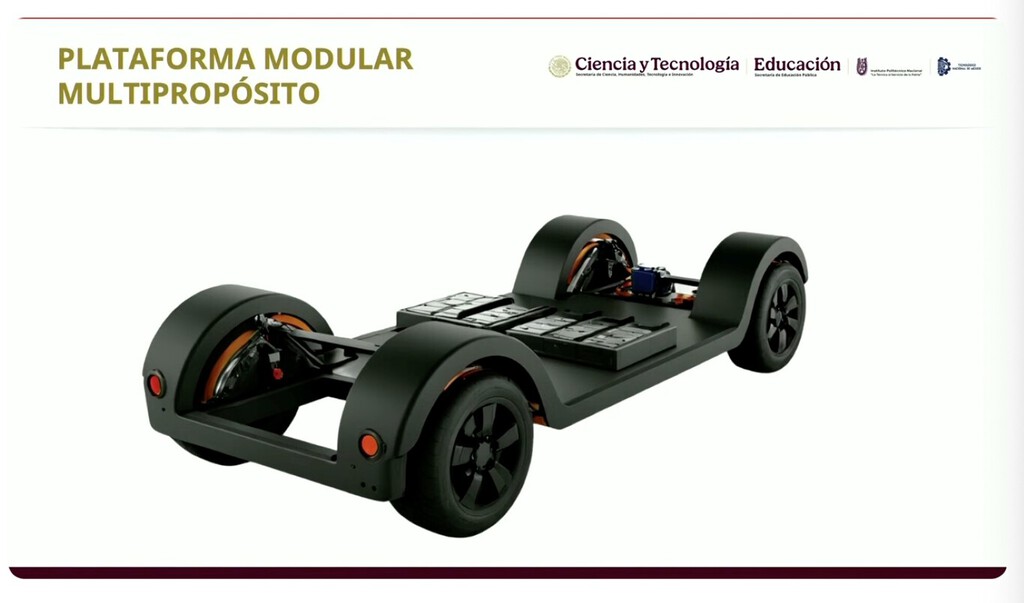
The Three Models
Olinia will offer three types of electric vehicles, all designed to be affordable and practical for Mexican consumers. While specific details are still emerging, the lineup is expected to include a compact car, a sedan, and a small SUV or crossover. The focus is on accessibility, with prices aimed at the local market.
Puebla: The Manufacturing Hub
Puebla has emerged as a key location for the Olinia project. The state already has a strong automotive infrastructure, with several plants and suppliers. The Instituto Tecnológico de Puebla is expected to play a role in developing components and systems for the vehicles. This collaboration between academia and industry is seen as crucial for the project's success.
Recent developments indicate that Puebla will be a major manufacturing site, leveraging existing facilities and skilled labor. The state's proximity to Mexico City and its established supply chain make it a logical choice for the production of electric vehicles.
Challenges and Optimism
The 2027 timeline is ambitious. Developing a new car from scratch typically takes years, and the electric vehicle market is highly competitive. However, the Mexican government is optimistic, citing the country's manufacturing expertise and the growing domestic demand for affordable EVs.
Key challenges include securing a stable supply chain for batteries and electronic components, which are currently dominated by Asian producers. Mexico will need to attract investment and foster partnerships to build a local supply chain. Additionally, the charging infrastructure must expand to support widespread EV adoption.
What This Means for Mexico
Olinia represents more than just a car; it's a symbol of Mexico's push for technological independence. By developing its own electric vehicle, Mexico aims to create jobs, reduce emissions, and position itself as a player in the global EV market. The project also aligns with the government's goals of promoting sustainable mobility and reducing reliance on fossil fuels.
For consumers, Olinia could make electric cars more accessible, with lower prices and models tailored to local needs. If successful, it could spur further innovation and investment in Mexico's automotive sector. The background to this story is set out in TT01: Mexico's Affordable Solar-Powered Electric Car from Tlaxcala. A related thread runs through Mayor Shot Dead in Mexico: 14th Murder Under Sheinbaum. Earlier coverage in Mexico President Sheinbaum's Phone and Email Hacked: What We Know shows how the argument developed.
What to Watch Next
In the coming months, look for announcements about specific model specifications, pricing, and production timelines. Partnerships with battery suppliers and technology providers will be critical. Also, watch for government incentives and policies that support EV adoption, such as tax breaks and charging infrastructure investments. A closer look at the same subject appears in Mexico's Ambitious Plan to Become the 10th Largest Economy. Anyone following the wider picture can start with Car: latest articles. The same theme surfaces in Dacia's Budget Car Shift: Why the Logan Is Gone and the Spring Costs 6,000, which takes a different angle.
The success of Olinia will depend on execution and market reception. If Mexico can deliver a quality, affordable electric car by 2027, it will be a significant achievement and a model for other emerging economies. Context on how this played out before sits in Volkswagen ID. Cross Production Starts in Navarra: A €1B Bet. A companion piece, Mexico's Olinia Electric Car: A 2027 Made-in-Mexico Bet, approaches the same subject from another angle.
FAQ
What is Olinia?
What is Olinia?
Olinia is a family of three affordable electric vehicles designed and built in Mexico. It is part of the government's Plan Mexico to develop domestic industry and technological sovereignty.
When will Olinia be available?
The target launch date is 2027, though this is an ambitious timeline given the complexities of developing a new car.
Where will Olinia be manufactured?
Puebla is a key manufacturing location, leveraging existing automotive infrastructure and collaboration with the Instituto Tecnológico de Puebla.
Why is Mexico developing its own electric car?
Mexico wants to reduce dependence on foreign imports, create jobs, and position itself in the global EV market. Recent trade policies have accelerated this push for self-reliance.
Browse the Shop
 Acacia frida deluxe solid wood bed frame |
Bedroom bench |
Bed chest drawers |
Lingerie dresser |
Frame base |
Mirror with jewelry storage |
30 Bathroom Vanity |
Memory foam queen mattress |
Mattresses for back pain |
Nightstand set of 2 |
Grand Goldman Shop |
Civil Lawyer
Deutschland Trikot WM 2026







