

Sweden has become a global leader in waste-to-energy, turning imported trash from other European countries into heat and electricity. The Nordic nation now burns waste in specialized cogeneration plants to power homes and businesses, a model that contrasts sharply with landfill-dependent economies.
How Sweden's Waste-to-Energy System Works
At the heart of Sweden's approach are kraftvärmeverk (combined heat and power plants). These facilities incinerate residual waste to drive turbines that produce electricity. The heat generated during combustion is captured as hot water or steam and distributed through district heating networks.
Find Original Home Decor sparking conversation at Grand Goldman Shop.

This dual-output process maximizes energy recovery. Instead of letting heat escape, the plants channel it into municipal heating systems, supplying warmth to millions of homes. The result is an efficient use of resources that would otherwise end up in landfills.
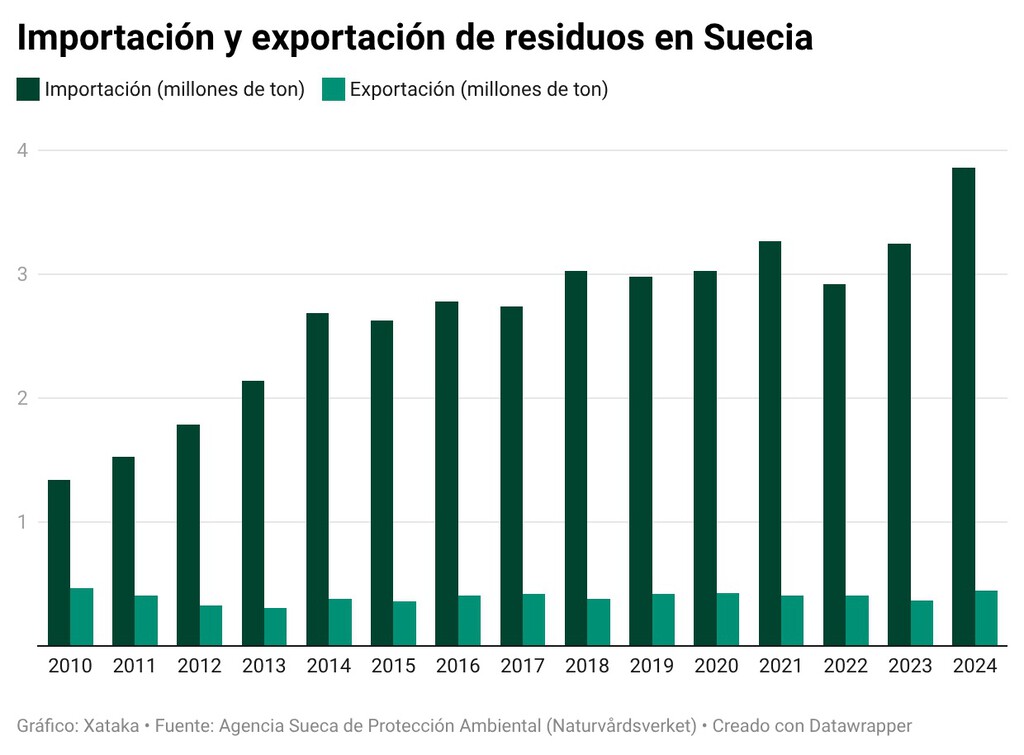
Scale and Impact of Sweden's Waste-to-Energy Sector
According to Energiföretagen Sverige, the Swedish energy industry association, energy recovery from waste totals 19.5 terawatt-hours annually. That's enough to heat over 1.47 million homes and provide electricity to another 940,000. In a country of 10 million people, where more than half of households rely on district heating, waste incineration accounts for 30-35% of that heat.
Sweden's success has led to a curious situation: the country now imports waste from other European nations to keep its plants running at full capacity. This creates a win-win scenario—Sweden gains additional fuel for its energy system, and exporting countries avoid landfill costs.
Why Sweden Imports Trash from Europe
Sweden's waste-to-energy capacity exceeds its domestic waste supply, largely because Swedes recycle aggressively. The country has built a reputation for near-zero landfill rates, with only a small fraction of household waste ending up in dumps. To fully utilize its cogeneration infrastructure, Sweden looks abroad.
Importing waste provides a steady stream of feedstock for the plants. It also generates revenue through gate fees—charges paid by exporting countries for waste management. For Sweden, this means more raw material for heat and electricity, plus income from handling other nations' waste.
Environmental and Economic Benefits
The Swedish model exemplifies the circular economy in action. By converting waste into energy, the country reduces reliance on fossil fuels for heating and power. It also avoids methane emissions from landfills, a potent greenhouse gas.
Economically, the system creates jobs in plant operations, waste logistics, and technology development. The revenue from imported waste helps offset operational costs, making district heating more affordable for consumers.
Challenges and Controversies
Despite its benefits, waste-to-energy is not without critics. Environmental groups argue that incineration can discourage recycling and create air pollution. However, modern Swedish plants are equipped with advanced filters that capture pollutants, meeting stringent EU emissions standards.
Another concern is the carbon footprint of transporting waste across borders. Yet, Sweden's proximity to other European countries and efficient rail and sea transport mitigate this impact. The overall climate benefit of avoiding landfill methane often outweighs transport emissions.
What Other Countries Can Learn from Sweden
Sweden's approach offers valuable lessons for nations grappling with waste management and energy security. Key takeaways include:
- Integrated policy: Sweden combines strict recycling targets with waste-to-energy to minimize landfill use.
- Infrastructure investment: District heating networks enable efficient distribution of recovered heat.
- Regional cooperation: Importing waste from neighbors maximizes plant utilization and revenue.
- Technology focus: Advanced emissions controls ensure environmental compliance.
- Public acceptance: Transparent communication has built trust in the system.
Comparing Waste-to-Energy Adoption
Sweden is not alone in using waste-to-energy, but its scale and integration are notable. The table below compares key metrics across selected countries.
| Country | Waste-to-Energy Capacity (TWh/year) | Share of District Heating from Waste | Landfill Rate |
|---|---|---|---|
| Sweden | 19.5 | 30-35% | <1% |
| Germany | ~20 | ~15% | ~10% |
| Netherlands | ~7 | ~10% | ~5% |
| United Kingdom | ~10 | <5% | ~20% |
Note: Data for countries other than Sweden are approximate and based on industry reports. Context on how this played out before sits in Sweden Imports Europe's Trash to Generate Heat and Power.
Future Outlook for Sweden's Waste-to-Energy Model
As Europe transitions to a low-carbon economy, Sweden's waste-to-energy sector is poised to evolve. Increased recycling rates may reduce available waste, potentially intensifying competition for imported feedstock. However, the need for reliable heat and power will keep cogeneration relevant. The background to this story is set out in Energy Utilities: latest articles. A related thread runs through Second-Life EV Batteries: A Renewable Energy Storage Solution.
Innovations such as carbon capture at waste-to-energy plants could further enhance sustainability. Sweden is already exploring these technologies, aiming to make its energy system not just carbon-neutral but carbon-negative. Earlier coverage in Spain's Solar Panel Waste Challenge: Recycling Aging Panels shows how the argument developed. A closer look at the same subject appears in Wind Turbine Blade Recycling Breakthrough: Blades Turned Into Asphalt.
For now, Sweden continues to turn trash into treasure, demonstrating that waste is a resource waiting to be tapped. Its experience offers a blueprint for others seeking to reduce landfill dependence and boost energy resilience. Anyone following the wider picture can start with Spain Tightens Data Center Rules: 80% Renewable Energy and Water Use Regulated. The same theme surfaces in Bilbao's Aste Nagusia 2026: 150 Kilos of Food Seized and Destroyed, which takes a different angle.
FAQ
What is waste-to-energy and how does Sweden use it?
Waste-to-energy is the process of generating heat and electricity by burning residual waste. Sweden uses it extensively in cogeneration plants, which capture both electricity and heat for district heating, supplying power to homes and businesses.
Why does Sweden import waste from other countries?
Sweden's recycling rates are so high that domestic waste alone cannot fully utilize its waste-to-energy capacity. Importing waste provides additional feedstock and generates revenue through gate fees, while helping exporting countries manage their waste.
Is waste-to-energy environmentally friendly?
Modern waste-to-energy plants use advanced filters to minimize emissions. While incineration produces some CO2, it avoids methane from landfills and displaces fossil fuels for heating, often resulting in a net environmental benefit when managed properly.
How much energy does Sweden recover from waste?
According to Energiföretagen Sverige, Sweden recovers about 19.5 TWh of energy from waste annually. This is enough to heat over 1.47 million homes and provide electricity to another 940,000.
Browse the Shop
 Acacia frida deluxe solid wood bed frame |
Bedroom bench |
Bed chest drawers |
Lingerie dresser |
Frame base |
Mirror with jewelry storage |
30 Bathroom Vanity |
Memory foam queen mattress |
Mattresses for back pain |
Nightstand set of 2 |
Grand Goldman Shop |
Civil Lawyer
Deutschland Trikot WM 2026







