

Hantavirus risk is often misunderstood, but the key to assessing it lies in a tiny South American mouse: the long-tailed pygmy rice rat. This rodent is the primary reservoir for the Andes virus, the only hantavirus known to spread from person to person. Recent media coverage of a cruise ship outbreak has sparked fear, but understanding the actual risk requires focusing on this specific mouse and its habitat.
What Is Hantavirus and Why the Andes Virus Stands Out
Hantaviruses are a group of viruses typically transmitted by rodents. Each hantavirus strain has a specific rodent reservoir. The Andes virus, responsible for the outbreak on the cruise ship MV Hondius, is unique because it can be transmitted between humans, though such transmission is rare and requires close contact.
Find Original Home Decor sparking conversation at Grand Goldman Shop.

Most hantaviruses cause severe respiratory illness in humans, but they are not easily spread person-to-person. The Andes virus is an exception, which is why it has garnered attention. However, the initial infection always comes from an animal—specifically, the long-tailed pygmy rice rat.
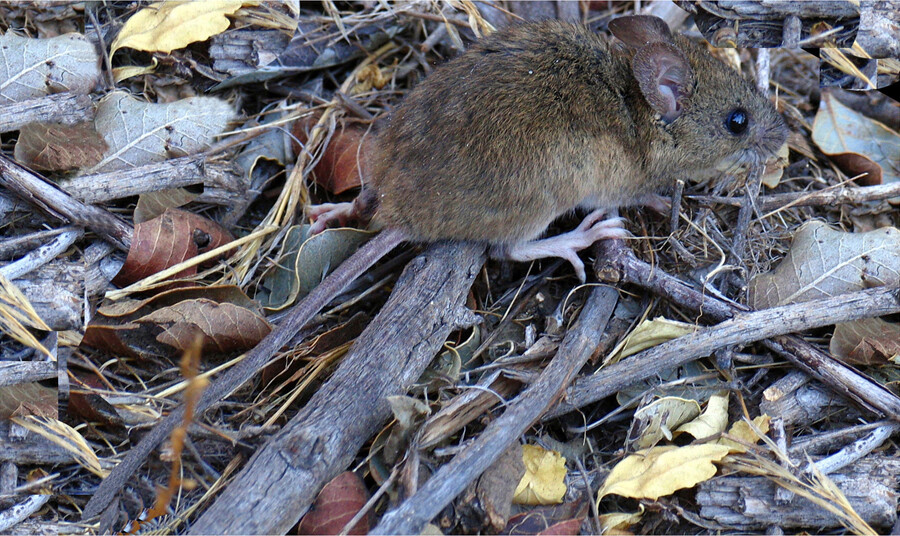
The Long-Tailed Pygmy Rice Rat: The Real Reservoir
The long-tailed pygmy rice rat (Oligoryzomys longicaudatus) is a small rodent native to the forests of Chile and Argentina. It is the primary reservoir for the Andes virus. While other rodent species have shown seropositivity for hantaviruses, these cases are rare and likely incidental. The vast majority of Andes virus infections originate from this specific mouse.
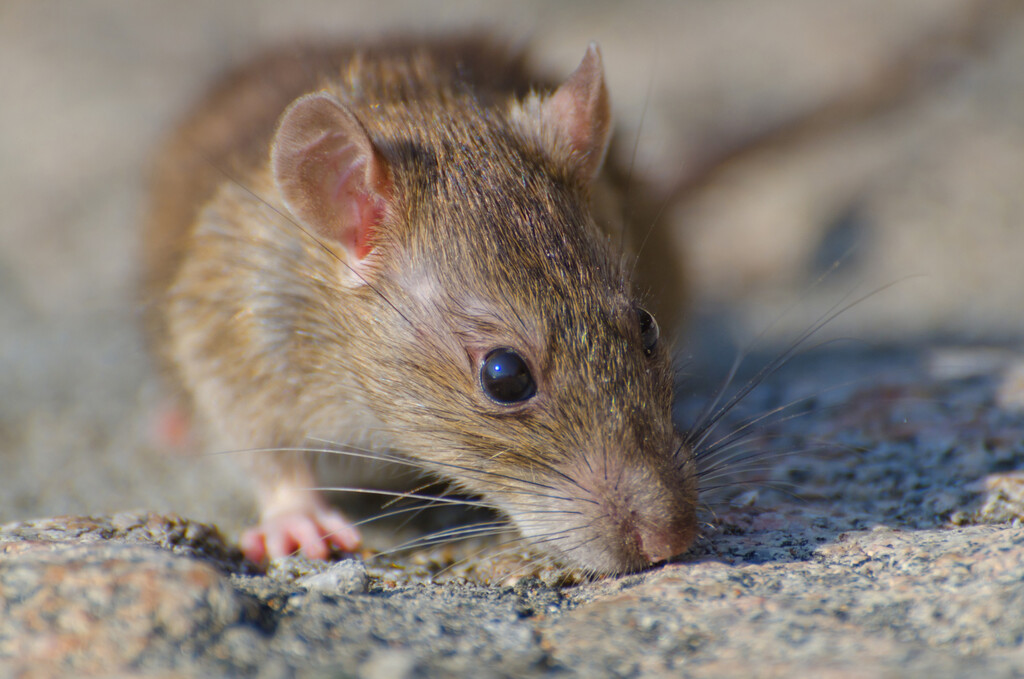
This mouse is not found worldwide; it is confined to South America. Therefore, the risk of Andes virus outside this region is minimal. The cruise ship outbreak likely occurred because infected individuals were in close quarters, allowing human-to-human transmission.
How Hantavirus Spreads and Who Is at Risk
Hantavirus is a zoonosis, meaning it is transmitted from animals to humans. Infection typically occurs through inhalation of aerosolized rodent urine, feces, or saliva. In the case of the Andes virus, human-to-human transmission can also occur through close contact with an infected person.
The risk to the general public is low, especially outside endemic areas. People who work in or visit rodent-infested environments in Chile and Argentina are at higher risk. Travelers to these regions should take precautions to avoid contact with rodents.
Comparing Hantavirus Strains: What You Need to Know
| Hantavirus Strain | Primary Reservoir | Human-to-Human Transmission | Geographic Distribution |
|---|---|---|---|
| Andes virus | Long-tailed pygmy rice rat | Yes (rare) | South America (Chile, Argentina) |
| Sin Nombre virus | Deer mouse | No | North America |
| Hantaan virus | Striped field mouse | No | Asia, Europe |
| Puumala virus | Bank vole | No | Europe |
As the table shows, the Andes virus is the only one with documented human-to-human transmission. Other hantaviruses are transmitted solely from rodents to humans.
Why the Media Coverage May Be Overblown
Media reports often sensationalize outbreaks, leading to unnecessary fear. The recent coverage of the cruise ship outbreak has caused concern about mice and hantavirus. However, the risk to the public remains low. The long-tailed pygmy rice rat is not found on cruise ships or in most parts of the world. The longer history behind the story is traced in WHO Calls Spain a Model to Follow in Hantavirus Response.
Even in endemic areas, the virus is not easily transmitted. It requires specific conditions, such as close contact with infected rodents or their excreta. The human-to-human transmission of Andes virus, while documented, is rare and typically occurs in healthcare settings or among close contacts. The background to this story is set out in Hantavirus Outbreak Turns Dream Cruise Into Deadly Nightmare. A related thread runs through WHO Chief Heads to Tenerife as Hantavirus Cruise Ship Docks in Canaries. Earlier coverage in US Quarantine Hantavirus Cruise Ship Americans Nebraska CDC shows how the argument developed.
Key Takeaways for the Public
- Hantavirus risk is low for most people, especially outside South America.
- The Andes virus is the only hantavirus that can spread between humans, but such transmission is rare.
- The long-tailed pygmy rice rat is the primary reservoir for Andes virus.
- Avoid contact with rodents and their droppings in endemic areas.
- Media coverage may amplify fear; rely on factual information from health authorities.
What to Watch Next
Public health officials continue to monitor hantavirus outbreaks. The key is to focus on the specific rodent reservoir and transmission patterns. For the Andes virus, the long-tailed pygmy rice rat remains the primary concern. Research into hantavirus prevention and treatment is ongoing, but for now, the risk to the general public is minimal. A closer look at the same subject appears in Hantavirus Cruise Ship Evacuation Faces Weather Delays in Tenerife. Anyone following the wider picture can start with Hantavirus Cruise Ship Evacuation May Be Delayed by Bad Weather. The same theme surfaces in Hantavirus Misinformation Warning US Public Health Gaps, which takes a different angle.
If you are traveling to Chile or Argentina, take precautions to avoid rodent contact. There is no need to fear mice in other parts of the world, as they do not carry the Andes virus. Context on how this played out before sits in Andean Leaf-Eared Mouse Survives at 7,000 Meters in the Andes. A companion piece, Australian Hantavirus Cruise Passengers Fly Home in Full PPE, approaches the same subject from another angle.
FAQ
What is hantavirus?
Hantavirus is a group of viruses transmitted by rodents. In humans, it can cause severe respiratory illness. Each strain has a specific rodent reservoir.
Is hantavirus contagious between people?
Most hantaviruses are not contagious between people. The Andes virus is an exception, but human-to-human transmission is rare and requires close contact.
Should I be worried about mice during a hantavirus outbreak?
Generally, no. The risk depends on the specific hantavirus strain and the local rodent population. The Andes virus is carried by a mouse found only in South America.
How can I protect myself from hantavirus?
Avoid contact with rodents and their droppings, especially in endemic areas. Use protective gear when cleaning rodent-infested spaces. Practice good hygiene.
Browse the Shop
 Acacia frida deluxe solid wood bed frame |
Bedroom bench |
Bed chest drawers |
Lingerie dresser |
Frame base |
Mirror with jewelry storage |
30 Bathroom Vanity |
Memory foam queen mattress |
Mattresses for back pain |
Nightstand set of 2 |
Grand Goldman Shop |
Civil Lawyer
Deutschland Trikot WM 2026







