

World plug types are a fascinating mess: 15 different designs, over 100 years of history, and still no global agreement. If you've ever fumbled for a travel adapter, you've experienced the legacy of early electrical infrastructure decisions.
Between 1880 and 1930, as electricity spread, each country chose its own plug design—often in isolation. By the time the amalgam of prongs became apparent, it was too late: they were trapped in the infrastructure they had installed. Over a century later, you still need an adapter when you travel.
Find Original Home Decor sparking conversation at Grand Goldman Shop.

The Origins of World Plug Types
In the early days of electrification, safety and practicality drove design choices, but there was little international coordination. Countries adopted different voltages, frequencies, and plug shapes based on local manufacturing capabilities and patent availability. For example, North America standardized on 120V and flat-blade plugs, while Europe largely adopted 230V and round-pin designs.
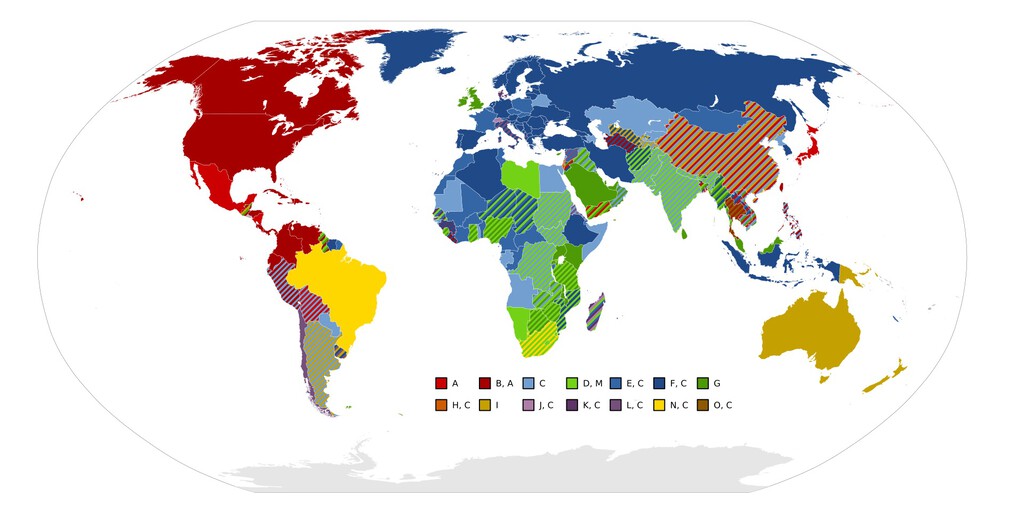
The lack of a central authority meant that even neighboring countries developed incompatible systems. This fragmentation persists today, although the International Electrotechnical Commission (IEC) has attempted to classify and standardize plugs.
The IEC Classification: A to N
The IEC uses letters A through N (plus O for Thailand) to categorize domestic plugs worldwide. This system, while not perfect, provides a common language for manufacturers and travelers. Here's a breakdown of the main types:
- Type A: Two flat parallel pins, used in North America and Japan.
- Type B: Two flat pins plus a round grounding pin, also North America.
- Type C: Two round pins, common in Europe (CEE 7/16).
- Type G: Three rectangular pins in a triangle, used in the UK and former colonies.
- Type I: Two flat pins in a V-shape, used in Australia and China.
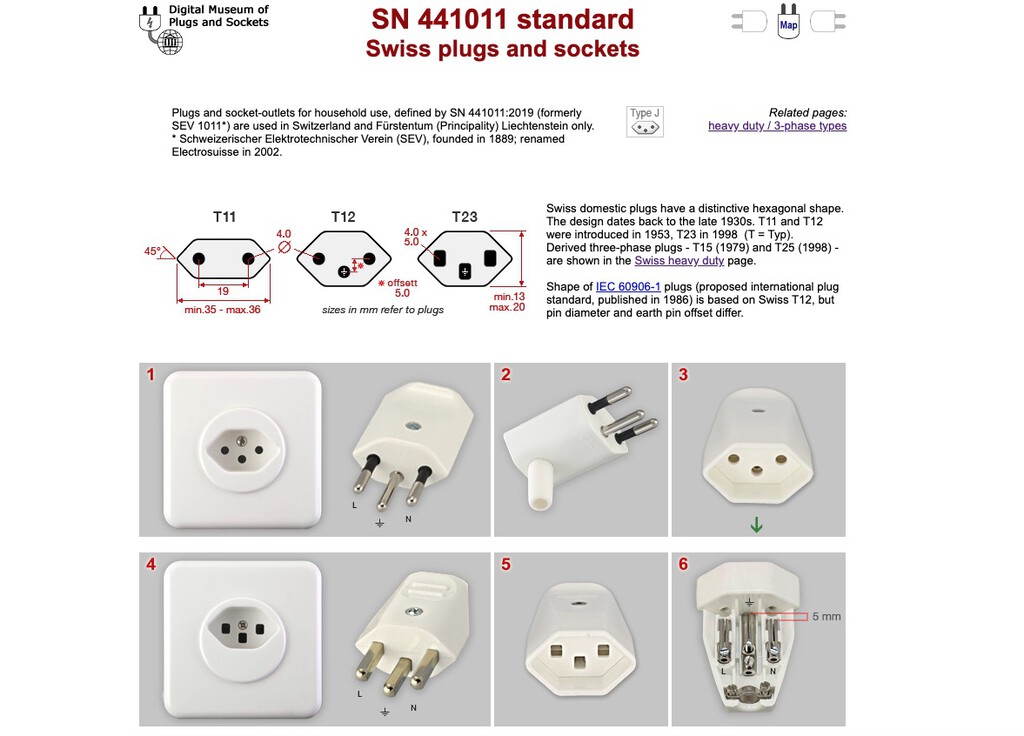
Each type has its own standard, such as NEMA for North America and CEE for Europe. The Museum of Plugs and Sockets, a Dutch website, has cataloged and explained all domestic plugs past and present, following IEC references.
Why No Global Standard?
The main reason is path dependency: once a country invests in a particular infrastructure, switching costs are enormous. Changing plugs would require retrofitting every building, appliance, and power strip—a logistical and financial nightmare. Additionally, national pride and protectionism play a role; standards often favor domestic manufacturers.
Efforts to create a universal plug, such as the IEC 60906-1, have failed due to lack of adoption. The world remains divided, and travelers must carry adapters.
Comparison of Common Plug Types
Here's a quick comparison of the most widespread plug types:
| Type | Regions | Pins | Voltage |
|---|---|---|---|
| A | North America, Japan | 2 flat | 120V |
| B | North America | 2 flat + ground | 120V |
| C | Europe (except UK) | 2 round | 230V |
| G | UK, Ireland, etc. | 3 rectangular | 230V |
| I | Australia, China | 2 flat V | 230V |
This table highlights the diversity in pin shapes and voltages. Note that voltage differences also matter: plugging a 120V device into a 230V outlet can damage it without a converter.
The Impact on Travelers and Manufacturers
For travelers, the plug chaos means packing adapters and sometimes voltage converters. For manufacturers, it means producing country-specific versions of the same product, increasing costs. The tourism industry suffers too, as hotels must provide adapters or risk guest frustration. The longer history behind the story is traced in World Plug Types: 15 Designs, 100 Years, No Global Standard.
Some regions have achieved regional standardization, like the European Union's common market, but plugs remain national. The EU has pushed for a universal charger for mobile phones, but not for wall plugs. The background to this story is set out in Amazon's Budget Fix for Hard-to-Reach Electrical Outlets. A related thread runs through Ways to Hide Electrical Outlets in a Practical and Decorative Way. Earlier coverage in Bayeux Tapestry Exhibition: 68 Fascinating Facts Unveiled shows how the argument developed.
What to Watch Next
While a global plug standard is unlikely, technological advances may reduce the need for physical adapters. Wireless charging and USB-C are becoming ubiquitous, potentially bypassing the plug entirely. However, high-power appliances will still need cords for the foreseeable future. A closer look at the same subject appears in Australia's Love-Hate Relationship with Cats: A Fascinating Histo. Anyone following the wider picture can start with Porsche Design's 1919 Collection pays homage to the Bauhaus: 100% German. The same theme surfaces in 100 Stunning Design Ideas for Modern Gardens, which takes a different angle.
For now, the world plug types remain a historical quirk with practical consequences. Understanding the landscape helps you travel smarter and appreciate the hidden infrastructure around us. Context on how this played out before sits in +30 Cabin-Shaped Bed Design Ideas (100% Wood). A companion piece, Science: latest articles, approaches the same subject from another angle.
FAQ
Why are there different plug types around the world?
Different plug types emerged because early electrical systems were developed independently by different countries and companies. Without international coordination, each adopted its own design based on local needs and patents.
How many plug types are there?
The IEC classifies 15 types, labeled A through O (excluding some letters). The most common are A, B, C, G, and I.
Can I use my devices abroad without an adapter?
Generally no, unless the plug shape matches. You may also need a voltage converter if the voltage differs. Always check both plug type and voltage before traveling.
Is there a push for a universal plug?
There have been attempts, like the IEC 60906-1, but adoption has been minimal due to infrastructure costs. A universal plug is unlikely in the near future.
Browse the Shop
 Acacia frida deluxe solid wood bed frame |
Bedroom bench |
Bed chest drawers |
Lingerie dresser |
Frame base |
Mirror with jewelry storage |
30 Bathroom Vanity |
Memory foam queen mattress |
Mattresses for back pain |
Nightstand set of 2 |
Grand Goldman Shop |
Civil Lawyer
Deutschland Trikot WM 2026







