

Clip-on earbuds are redefining personal audio by prioritizing comfort over noise isolation. Unlike traditional headphones that compete on sound quality and active noise cancellation (ANC), these open-ear devices are designed to be worn all day without discomfort.
Huawei pioneered this format, and brands like Nothing, TCL, and Sony have followed suit. The clip-on design, resembling a small weight or earring, attaches to the ear while leaving the ear canal open. This approach targets users who value comfort and situational awareness over immersive sound.
Find Original Home Decor sparking conversation at Grand Goldman Shop.

What Are Clip-On Earbuds?
Clip-on earbuds, also known as open-ear earbuds, feature a unique construction: the audio driver sits at one end, the battery at the other, connected by a flexible bridge. This design allows the earbuds to clip onto the outer ear, much like a piece of jewelry.
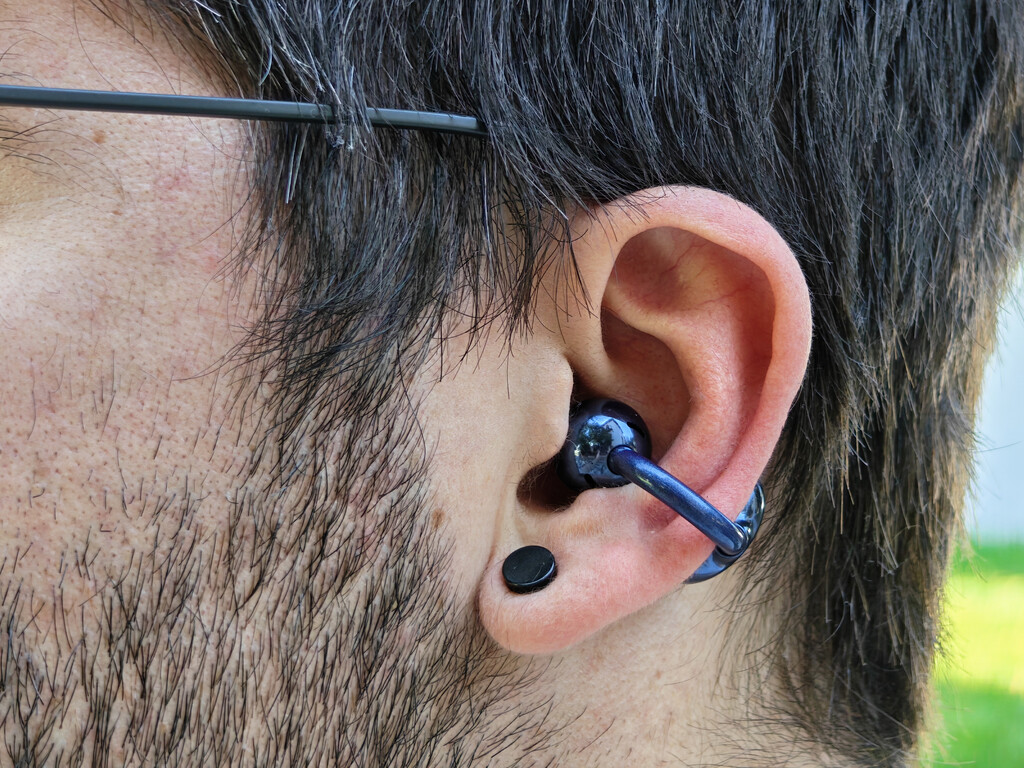
Magnets often help keep the two parts securely attached. Because they don't enter the ear canal, they reduce pressure and fatigue during extended use. This makes them ideal for activities like working, commuting, or exercising where awareness of surroundings is beneficial.
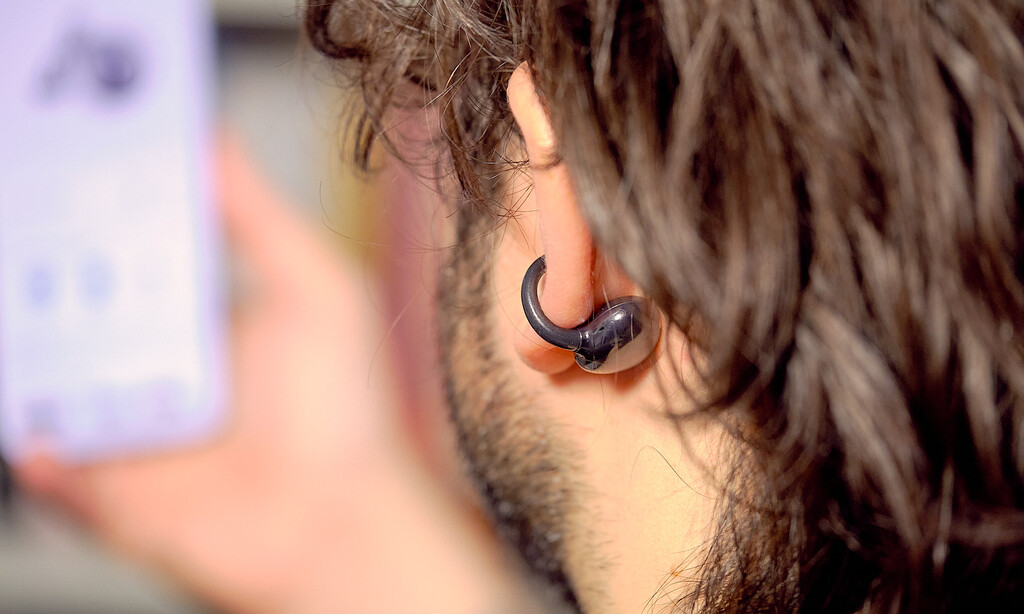
How Do They Work?
The driver directs sound toward the ear without blocking it. This open design means you can hear ambient noise, which can be a safety advantage. However, it also means less bass response and no passive noise isolation.
Battery life varies by model, but the clip-on format generally allows for efficient use of space. Some models include ear hooks or adjustable bridges for a secure fit.
Why Choose Clip-On Earbuds?
The primary appeal is comfort. Traditional in-ear buds can cause ear fatigue or discomfort over time, especially for those with sensitive ears. Clip-ons avoid this by resting outside the ear canal.
They also offer situational awareness, making them suitable for outdoor activities or office environments where you need to hear colleagues or traffic. For many, the trade-off in sound isolation is worth the comfort and safety benefits.
Who Are They For?
Clip-on earbuds are popular among users who dislike the plugged-up feeling of in-ear headphones. They're also a good choice for people who wear hearing aids or have ear canal sensitivities. Parents might find them appealing for children who need comfortable, secure headphones for online classes or entertainment.
However, audiophiles seeking deep bass or complete immersion may prefer traditional ANC headphones. The open design means sound leakage and reduced low-frequency performance. The background to this story is set out in Noise Cancellation Is Now the Baseline: What Premium Earbuds Offer in 2026. A related thread runs through Slalom Skateboarding After 60: How to Start and Compete. Earlier coverage in PlayStation 6 Memory Race: Samsung and SK hynix Compete for GDDR7 Supply shows how the argument developed.
Key Considerations Before Buying
- Fit and stability: Ensure the clip-on design stays secure during movement; look for adjustable bridges or ear hooks.
- Sound leakage: Open-ear designs can leak sound; consider if privacy is important.
- Battery life: Check usage time per charge, especially if you plan all-day wear.
- Connectivity: Bluetooth version and codec support affect audio quality and latency.
- Durability: Materials should withstand daily wear and tear.
Clip-On vs. Traditional Earbuds: A Comparison
| Feature | Clip-On Earbuds | Traditional In-Ear Earbuds |
|---|---|---|
| Comfort | High; no ear canal pressure | Moderate; can cause fatigue |
| Noise Isolation | None; open design | Passive or active (ANC) |
| Sound Quality | Good for mids/highs; less bass | Full range; immersive |
| Situational Awareness | Excellent | Limited (with ANC) |
| Best For | All-day wear, outdoor use | Critical listening, travel |
The Future of Clip-On Earbuds
As more brands enter the market, we can expect improvements in sound quality and battery life. The clip-on format represents a shift toward specialized audio devices that cater to specific lifestyles rather than trying to be everything to everyone. A closer look at the same subject appears in Learn how to Renew your worn concrete floors to make them like new!. Anyone following the wider picture can start with Laying laminate: A good alternative for your worn stairs. The same theme surfaces in Ryobi RP4530 Noise-Canceling Headphones: DIY Safety & Music, which takes a different angle.
Whether you prioritize comfort or immersion, the choice ultimately depends on your daily needs. For those who value staying connected to their environment without sacrificing audio, clip-on earbuds offer a compelling alternative. Context on how this played out before sits in Fresh'n Rebel Noise-Cancelling Headphones at Action for 16.95 Euros. A companion piece, De'Longhi Electric Towel Warmer, approaches the same subject from another angle.
FAQ
Are clip-on earbuds good for running?
Yes, clip-on earbuds can be great for running because they allow you to hear traffic and surroundings. However, ensure a secure fit to prevent them from falling off during vigorous activity.
Do clip-on earbuds have noise cancellation?
Most clip-on earbuds do not feature active noise cancellation because their open design lets ambient sound in. Some models may offer basic noise reduction for calls, but they are not designed for isolation.
Can I wear clip-on earbuds with glasses?
Yes, clip-on earbuds are designed to fit around the ear and should not interfere with most glasses. Look for models with slim profiles and flexible bridges for a comfortable fit.
How do clip-on earbuds stay in place?
They typically use a combination of magnets, flexible bridges, and ear hooks to anchor to the outer ear. The tension and shape of the clip keep them secure without entering the ear canal.
Browse the Shop
 Acacia frida deluxe solid wood bed frame |
Bedroom bench |
Bed chest drawers |
Lingerie dresser |
Frame base |
Mirror with jewelry storage |
30 Bathroom Vanity |
Memory foam queen mattress |
Mattresses for back pain |
Nightstand set of 2 |
Grand Goldman Shop |
Civil Lawyer
Deutschland Trikot WM 2026







