

Samsung is ramping up its standard DRAM production with a clear goal: to keep Apple from turning to Chinese memory suppliers. The move comes as the DRAM market faces unprecedented pressure from AI and data center demand, threatening consumer electronics supply.
The semiconductor industry is grappling with a severe DRAM shortage. Hyperscalers and data centers are absorbing the majority of memory chips produced by Micron, Samsung, and SK Hynix, leaving consumer sectors struggling to secure adequate supply. This imbalance has persisted for months, and while new fabs are being built, they are primarily aimed at satisfying data center demand rather than consumer needs.
Find Original Home Decor sparking conversation at Grand Goldman Shop.

Why Samsung Is Expanding Standard DRAM Production
The situation has become so dire that consumer brands are increasingly looking to Chinese manufacturers like CXMT and YMTC for memory. Samsung's decision to boost standard DRAM output is a strategic move to prevent Apple—one of its most important customers—from defecting to Chinese suppliers. Apple is committed to launching new devices, and it cannot afford to be left without a reliable memory source.
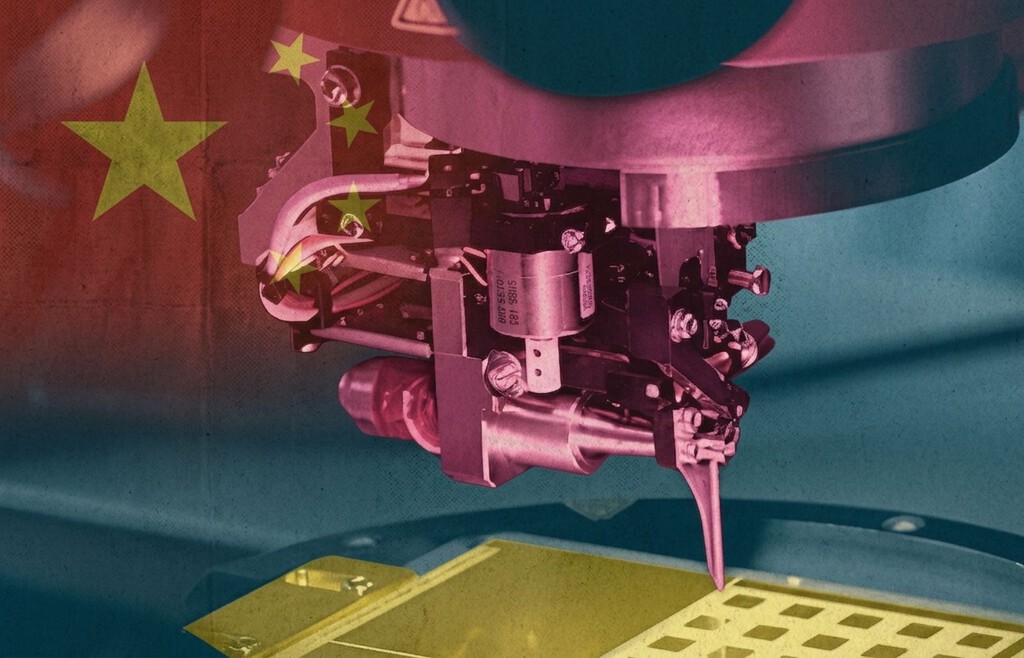
Samsung's expansion is not just about volume; it's about maintaining control over the supply chain. By increasing production of standard DRAM, Samsung aims to ensure that Apple and other major customers have access to high-quality memory without resorting to Chinese alternatives. This is crucial for Samsung's long-term relationship with Apple and its position in the global memory market.
The Impact on the DRAM Market and Consumers
The DRAM shortage has already led to soaring prices, forcing some brands to increase consumer prices, which risks dampening demand. Apple, however, is expected to launch new devices regardless, including the iPhone 18 in early 2027 and potentially new models this September. The company needs a stable supply of DRAM to meet its production targets.
For consumers, the shortage means higher prices for smartphones, laptops, and other devices. The situation is particularly acute for brands that lack the bargaining power of Apple. Some may be forced out of the market if they cannot secure memory at reasonable costs.
Key Takeaways for the Memory Market
- AI and data centers are consuming the majority of DRAM production, leaving consumer electronics with limited supply.
- Samsung is increasing standard DRAM output to prevent Apple from turning to Chinese suppliers like CXMT and YMTC.
- Apple's device roadmap includes the iPhone 18 in early 2027, requiring a steady memory supply.
- Consumer prices are rising due to the DRAM shortage, with some brands at risk of being priced out.
- Chinese memory makers are gaining attention as viable alternatives amid the shortage.
DRAM Supply and Demand: A Comparison
| Segment | Demand Driver | Supply Source | Impact |
|---|---|---|---|
| Data Centers & AI | Hyperscalers, AI training | Micron, Samsung, SK Hynix | High demand, priority allocation |
| Consumer Electronics | Smartphones, PCs | Same manufacturers, limited allocation | Shortage, rising prices |
| Chinese Suppliers | Alternative sourcing | CXMT, YMTC | Gaining traction amid shortage |
| Apple | New device launches | Samsung (primary), potentially others | Securing supply to avoid Chinese依赖 |
What This Means for Apple and Samsung
Apple's reliance on Samsung for DRAM is significant. While Apple designs its own chips, it sources memory from external suppliers. Samsung is one of the few companies capable of meeting Apple's quality and volume requirements. If Apple were to switch to Chinese suppliers, it would not only disrupt its supply chain but also raise geopolitical and security concerns.
Samsung's investment in additional DRAM capacity is a bet that it can retain Apple's business and maintain its dominance in the memory market. However, the company must also balance the needs of other customers and the ongoing demand from data centers. The background to this story is set out in AI Demand Sells Out 2027 DRAM and HBM Production Early. A related thread runs through Nanya Technology's $16B DRAM Bet to Ease Memory Chip Crisis. Earlier coverage in CXMT Ready to Lead China's DRAM Memory Chip Market shows how the argument developed.
The Road Ahead
The DRAM shortage is unlikely to resolve quickly. New fabs take years to build and ramp up, and the AI boom shows no signs of slowing. Samsung's move to increase standard DRAM production is a short-term fix to a long-term problem. In the meantime, consumers should brace for higher device prices and potentially limited availability of certain products. A closer look at the same subject appears in Apple Upgrade: How Apple Is Turning Hardware Into Subscriptions. Anyone following the wider picture can start with Technology: latest articles. The same theme surfaces in China's CXMT Ready to Challenge Global RAM Market Despite US Sanctions, which takes a different angle.
For Apple, securing DRAM supply is critical to its product roadmap. The company is expected to launch new iPhones and other devices, and any disruption could hurt its sales. Samsung's expansion provides some relief, but the broader industry must find ways to balance the needs of data centers and consumer electronics. Context on how this played out before sits in Nvidia Funds Suppliers to Secure AI Chip Production Capacity. A companion piece, Angels in America: The Six-Episode Miniseries That Redefined TV, approaches the same subject from another angle.
FAQ
Why is Samsung increasing DRAM production?
Samsung is increasing standard DRAM production to prevent Apple from turning to Chinese suppliers like CXMT and YMTC. The move aims to secure Apple's business and maintain Samsung's dominance in the memory market amid a severe DRAM shortage.
How does the DRAM shortage affect consumers?
The shortage has led to higher prices for smartphones, laptops, and other devices. Some brands may be forced to increase consumer prices or risk losing market share. Consumers should expect to pay more for electronics in the near term.
What is Apple's device roadmap?
Apple is expected to launch the iPhone 18 in early 2027, with potential new models as early as September. The company needs a stable supply of DRAM to meet its production targets.
Are Chinese memory makers a viable alternative?
Chinese manufacturers like CXMT and YMTC are gaining attention as viable alternatives amid the shortage. However, major brands like Apple may be hesitant to rely on them due to quality, geopolitical, and security concerns.
Browse the Shop
 Acacia frida deluxe solid wood bed frame |
Bedroom bench |
Bed chest drawers |
Lingerie dresser |
Frame base |
Mirror with jewelry storage |
30 Bathroom Vanity |
Memory foam queen mattress |
Mattresses for back pain |
Nightstand set of 2 |
Grand Goldman Shop |
Civil Lawyer
Deutschland Trikot WM 2026







