

Sony has officially entered the RGB MiniLED TV market with the Bravia 9 II, a flagship model that promises unprecedented color accuracy and comes in sizes up to 115 inches. This launch marks a significant shift in Sony's LCD TV strategy, moving beyond conventional MiniLED to a new True RGB backlight system.
What Is Sony's True RGB Technology?
Sony's True RGB technology integrates red, green, and blue subpixels into each individual LED, unlike traditional MiniLED that uses only blue LEDs with color filters. This allows for more precise control over lighting and color volume.
Find Original Home Decor sparking conversation at Grand Goldman Shop.

According to Sony, this results in color accuracy previously only seen in professional reference monitors used in post-production studios. The technology builds on Sony's long history of color innovation, dating back to the 2004 Qualia 005, the first LCD TV with a Triluminos backlight using red, green, and blue light sources.
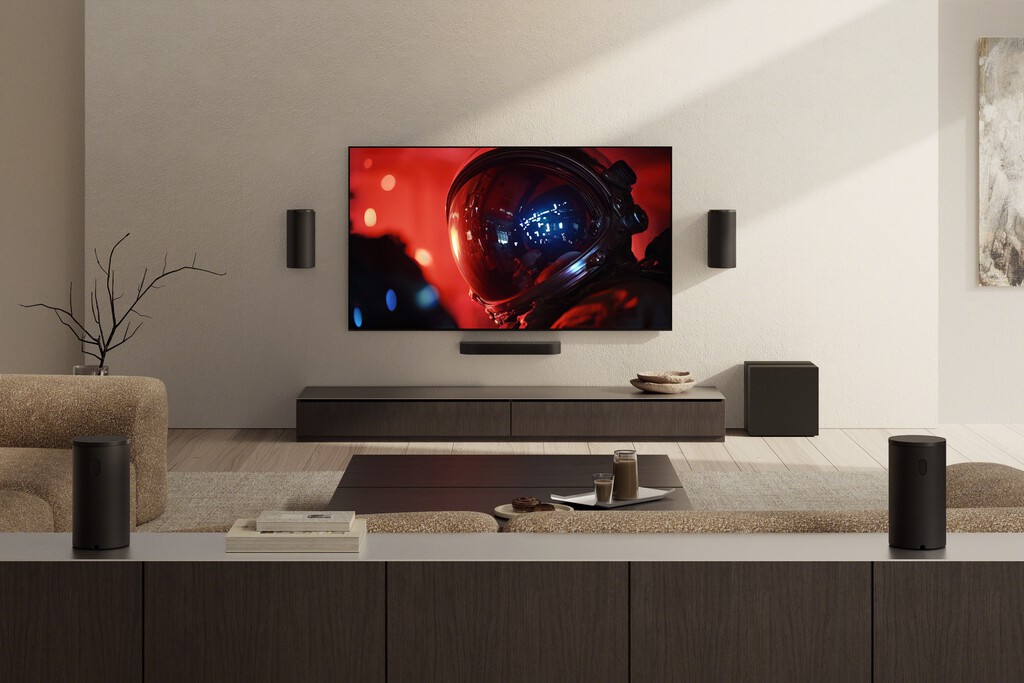
Key Features of the Sony Bravia 9 II
- True RGB backlight: Individual RGB LEDs for superior color control and volume.
- Immersive Black Screen Pro: Anti-reflective coating to reduce glare and improve contrast.
- HDR support: Dolby Vision, HDR10, HLG, and Filmmaker Mode.
- Calibrated modes: Netflix, Prime Video, and Sony Pictures Core.
- Size range: Up to 115 inches, catering to home theater enthusiasts.
How Does RGB MiniLED Compare to Other TV Technologies?
RGB MiniLED offers several advantages over traditional MiniLED and OLED. The table below summarizes key differences.
| Feature | RGB MiniLED (Bravia 9 II) | Traditional MiniLED | OLED |
|---|---|---|---|
| Backlight | Individual RGB LEDs | Blue LEDs with color filters | Self-emissive pixels |
| Color Accuracy | Very high (reference-level) | High | Excellent |
| Brightness | Very high | High | Moderate |
| Risk of Burn-in | None | None | Yes |
| Price | Premium | Mid to high | High |
Why This Matters for Consumers
The Bravia 9 II represents a leap forward in LCD TV performance, particularly for color-critical viewing. With RGB MiniLED, Sony aims to deliver the color purity of OLED with the brightness and longevity of LCD. The longer history behind the story is traced in TCL RM9L RGB MiniLED: The OLED Alternative for Large Screens.
For home theater enthusiasts, the availability of a 115-inch model means a truly immersive experience. The anti-reflective coating also helps in bright rooms, reducing distractions. The background to this story is set out in Sony BRAVIA 9 II with True RGB: Redefining Premium TV Picture Quality. A related thread runs through Sony True RGB: The New OLED Killer for Premium TVs. Earlier coverage in OLED vs MiniLED and RGB MiniLED: The 2026 TV Battle for Picture Quality shows how the argument developed.
What to Watch Next
Sony has also announced the Bravia 7 II, which shares the True RGB technology, suggesting a broader rollout across its lineup. As RGB MiniLED gains traction, we can expect more brands to follow suit, potentially driving prices down over time. A closer look at the same subject appears in TCL 65RM7L 65-Inch RGB MiniLED TV Drops to $999 at Carrefour. Anyone following the wider picture can start with Sony Bravia 9 II: Save €850 on a Complete Home Theater Bundle. The same theme surfaces in How Many Inches Is a Deer Park Water Bottle? Sizes Explained, which takes a different angle.
For now, the Bravia 9 II sets a new benchmark for LCD TVs, blending professional-grade color with consumer-friendly features. Keep an eye out for reviews and availability announcements. Context on how this played out before sits in Hisense UR9S Review: RGB MiniLED TV That Challenges OLED. A companion piece, Hisense IFA 2026: RGB MiniLED TVs and AI Kitchen Appliances, approaches the same subject from another angle.
FAQ
What sizes will the Sony Bravia 9 II be available in?
The Bravia 9 II will be available in sizes up to 115 inches, according to Sony's announcement. Specific size options may vary by region.
Does the Bravia 9 II support Dolby Vision?
Yes, the Bravia 9 II supports Dolby Vision, HDR10, HLG, and Filmmaker Mode, along with calibrated modes for Netflix, Prime Video, and Sony Pictures Core.
How is RGB MiniLED different from regular MiniLED?
RGB MiniLED uses individual red, green, and blue LEDs in each backlight unit, while regular MiniLED uses blue LEDs with color filters. This allows for more precise color control and higher color volume.
Is the Bravia 9 II prone to burn-in?
No, as an LCD TV, the Bravia 9 II is not susceptible to burn-in, unlike OLED TVs. This makes it a durable choice for static content.
Browse the Shop
 Acacia frida deluxe solid wood bed frame |
Bedroom bench |
Bed chest drawers |
Lingerie dresser |
Frame base |
Mirror with jewelry storage |
30 Bathroom Vanity |
Memory foam queen mattress |
Mattresses for back pain |
Nightstand set of 2 |
Grand Goldman Shop |
Civil Lawyer
Deutschland Trikot WM 2026







