

Getting a TV with the latest technology and futuristic features that were unthinkable just a few years ago no longer costs a small fortune. It's increasingly accessible thanks to an attractive mid-range segment that has grown rapidly in competition, offering contained prices and gigantic screen sizes to win over all types of users.
The advancement in features has been enormous in recent years, and now when you go to buy a TV looking for good value for money, you no longer have to give up almost anything critical, nor opt for tiny sizes. Yes, it's true that there are still premium models with stratospheric prices, but the difference in real usable features compared to the mid-range is increasingly smaller.
Find Original, High-end Home Decor that spark conversation at Grand Goldman Shop.
And here Chinese manufacturers like TCL, Hisense, Haier, and Xiaomi are largely to blame, having entered the Western market offering previously impossible prices and accelerating the distribution cycles of the latest innovation. So what's the situation right now in 2026 when buying a TV with good value for money? In this article, we're going to review it.
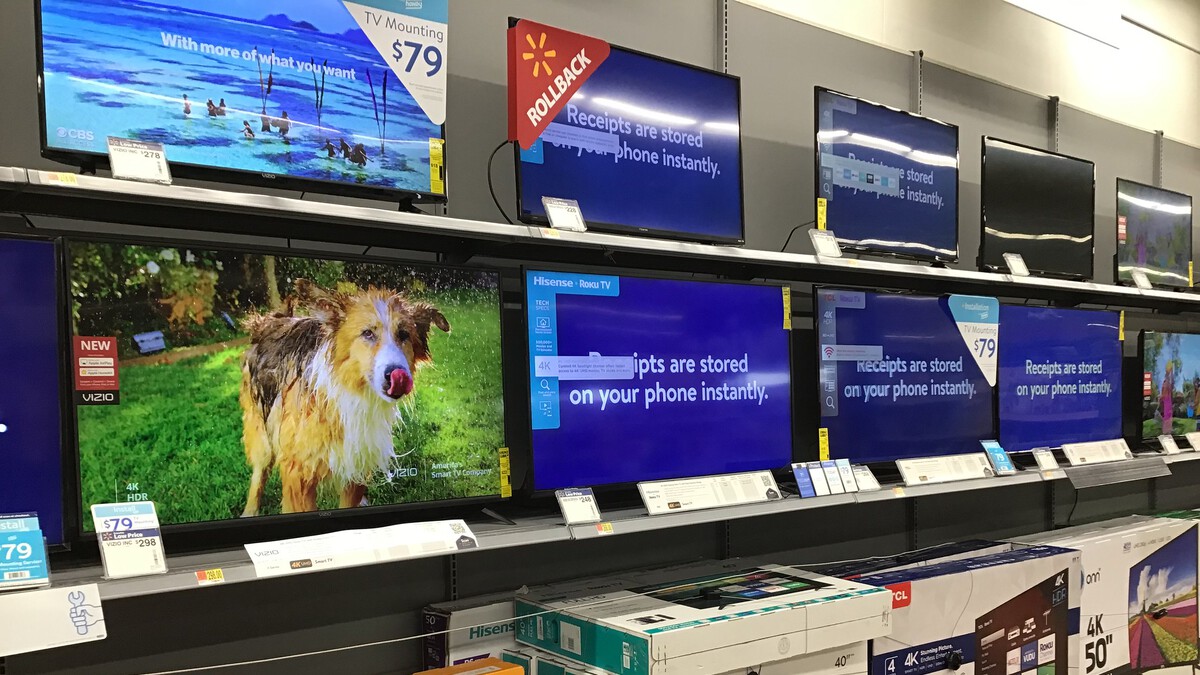
The Mid-Range TV Revolution: What Changed?
Normally, when you look for a device with good value for money, you expect to give up certain features to lower the cost of your purchase. But in the Smart TV sector, something very interesting has been happening in recent years: each new generation brings features that were previously reserved for high-end models down to more affordable price points.
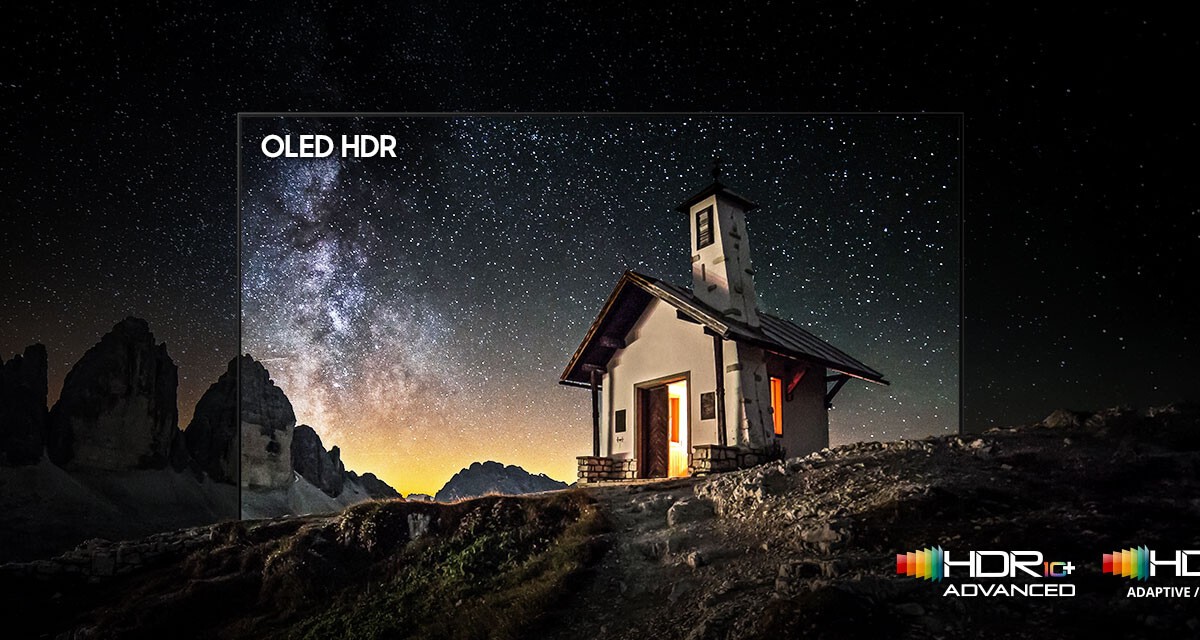
This shift is largely driven by the aggressive strategies of Chinese brands. Companies like TCL and Hisense have invested heavily in display technology, particularly in QLED and Mini LED, making these advanced panel types accessible to budget-conscious consumers. Xiaomi, meanwhile, has leveraged its ecosystem to offer feature-packed TVs at disruptive prices.
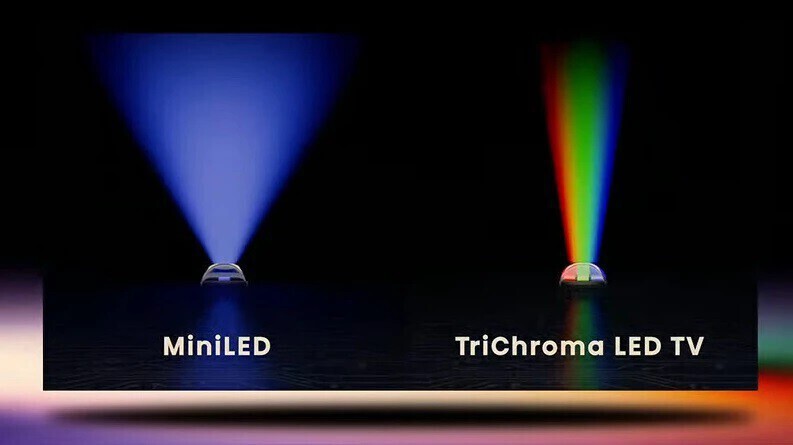
The result is a mid-range that now includes 4K resolution, HDR support, smart platforms, and even gaming features like variable refresh rate (VRR) and auto low latency mode (ALLM) — things that were once exclusive to premium sets.
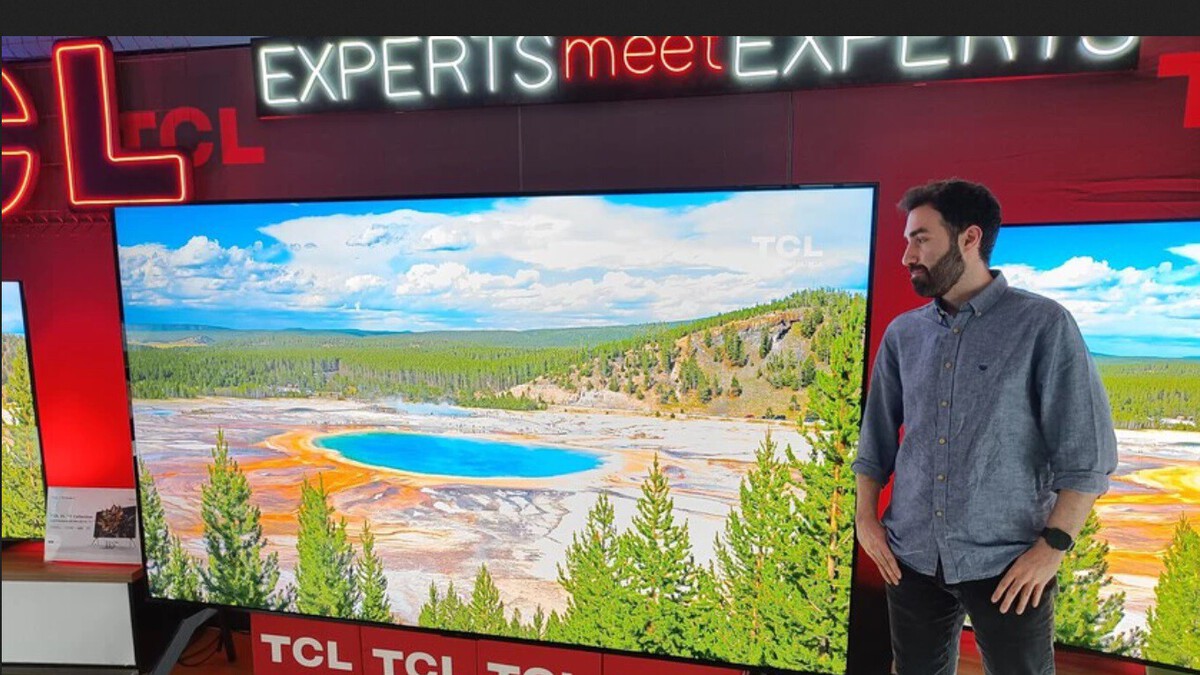
Key Features You Can Now Get Without Breaking the Bank
So what exactly can you expect from a mid-range TV in 2026? Quite a lot, actually. Here are the standout features that are now common in affordable models:
- 4K resolution with support for HDR10+, Dolby Vision, and other HDR formats for vibrant, lifelike picture quality.
- QLED and Mini LED backlights for improved brightness, contrast, and color accuracy.
- High refresh rates (120Hz) and gaming features like VRR and ALLM for smooth, responsive gameplay.
- Smart TV platforms with voice assistants, app stores, and seamless streaming integration.
- Large screen sizes — 65-inch and even 75-inch models are now within reach of budget buyers.
These features were once the domain of flagship TVs costing thousands of dollars. Today, you can find them in models that cost a fraction of that.
How Chinese Brands Disrupted the TV Market
The entry of Chinese manufacturers into the Western market has been a game-changer. Brands like TCL, Hisense, and Xiaomi have not only offered lower prices but also pushed the pace of innovation. They've forced established players like Samsung, LG, and Sony to reevaluate their pricing strategies and accelerate their own feature rollouts.
This competition has benefited consumers immensely. Price-to-performance ratios have never been better, and the gap between mid-range and premium TVs in terms of everyday usability has narrowed significantly. Unless you're a dedicated home theater enthusiast with specific demands, a mid-range TV will likely meet all your needs.
Moreover, Chinese brands have been quick to adopt new technologies. For example, Mini LED, which offers better contrast and brightness than traditional LED, was first popularized in affordable models from TCL and Hisense before becoming more widespread.
Mid-Range vs. Premium TVs in 2026: A Comparison
To understand just how much the mid-range has improved, let's compare typical features of a mid-range TV versus a premium model in 2026. The table below highlights the key differences.
| Feature | Mid-Range TV (2026) | Premium TV (2026) |
|---|---|---|
| Resolution | 4K | 4K or 8K |
| HDR Support | HDR10+, Dolby Vision | HDR10+, Dolby Vision, Dolby Vision IQ |
| Backlight | QLED or Mini LED | Mini LED or OLED |
| Refresh Rate | 120Hz | 120Hz or 144Hz |
| Gaming Features | VRR, ALLM | VRR, ALLM, additional gaming modes |
| Smart Platform | Google TV, Roku, or proprietary | Same, often with more powerful processors |
| Price Range | $500–$1,200 | $1,500–$3,000+ |
As you can see, the mid-range now offers features that were once exclusive to premium TVs. The main differences lie in peak brightness, black levels (with OLED still holding an edge), and build quality. But for most viewers, these differences are negligible in everyday use.
What to Watch for When Buying a Budget-Friendly TV
While the mid-range is better than ever, not all affordable TVs are created equal. Here are a few tips to ensure you get the best value:
Check the panel type: VA panels offer better contrast, while IPS panels have wider viewing angles. Choose based on your room layout and viewing habits. Context on how this played out before sits in Why You No Longer Need to Spend a Fortune on a Great TV.
Look for HDMI 2.1 ports: If you plan to connect a next-gen console or PC, HDMI 2.1 is essential for 4K at 120Hz and VRR. The background to this story is set out in Technology: latest articles. A related thread runs through What We Value in a Streaming Platform in 2026 Beyond Price.
Consider the smart platform: Google TV and Roku are generally more user-friendly and have better app support than some proprietary systems. Earlier coverage in Best Value Smartphone 2026: Why Picking a Winner Is Harder Than Ever shows how the argument developed. A closer look at the same subject appears in WiFi 7 Routers 2026: Why Speed Alone No Longer Defines Smart Homes.
Read reviews and compare: Brands like TCL and Hisense have specific models that stand out for performance. Research before you buy. Anyone following the wider picture can start with Best Space Heaters: Power, Use Cases, and Price Guide for Winter. The same theme surfaces in Xiaomi Mi Smart Space Heater S: Smart Heater for Large Rooms, which takes a different angle.
FAQ
Are Chinese TV brands reliable?
Yes, brands like TCL, Hisense, and Xiaomi have proven to be reliable, often offering warranties and customer support comparable to established brands. Their build quality has improved significantly, and many models receive positive reviews for durability.
What is the best budget TV brand in 2026?
TCL and Hisense are consistently praised for their value, offering advanced features like Mini LED and QLED at competitive prices. Xiaomi also offers excellent value, especially in regions where it has a strong presence.
Do I need 8K resolution in 2026?
For most people, 4K is more than sufficient. There is limited 8K content available, and the difference in picture quality is only noticeable on very large screens (85 inches and above) or when sitting very close. Mid-range 4K TVs offer excellent picture quality for typical viewing distances.
How much should I spend on a good TV in 2026?
You can get a great TV with modern features for between $500 and $1,200, depending on size and specific features. Spending more gets you incremental improvements like better brightness or premium design, but the mid-range offers excellent value for most households.
The Bottom Line: Great TVs Are More Affordable Than Ever
In 2026, the mid-range TV market is thriving, thanks in large part to Chinese manufacturers who have democratized advanced features. You no longer need to spend a fortune to get a TV with excellent picture quality, smart features, and gaming capabilities. The competition has driven prices down and innovation up, benefiting consumers.
When shopping for your next TV, focus on the features that matter to you and don't assume you need to go premium. A well-chosen mid-range model from a reputable brand will likely exceed your expectations without breaking the bank.
Browse the Shop
 Acacia frida deluxe solid wood bed frame |
Bedroom bench |
Bed chest drawers |
Lingerie dresser |
Frame base |
Mirror with jewelry storage |
30 Bathroom Vanity |
Memory foam queen mattress |
Mattresses for back pain |
Nightstand set of 2 |
Grand Goldman Shop |
Civil Lawyer
Deutschland Trikot WM 2026










