

In February 2025, a Russian explosive drone punched a hole in the massive confinement structure over Chernobyl's reactor 4, triggering an internal fire and forcing Ukrainian firefighters to climb into a radioactive site once again. The incident revived memories of the 1986 disaster and highlighted the lingering vulnerabilities of the world's most infamous nuclear facility.
What Happened at Chernobyl in 2025?
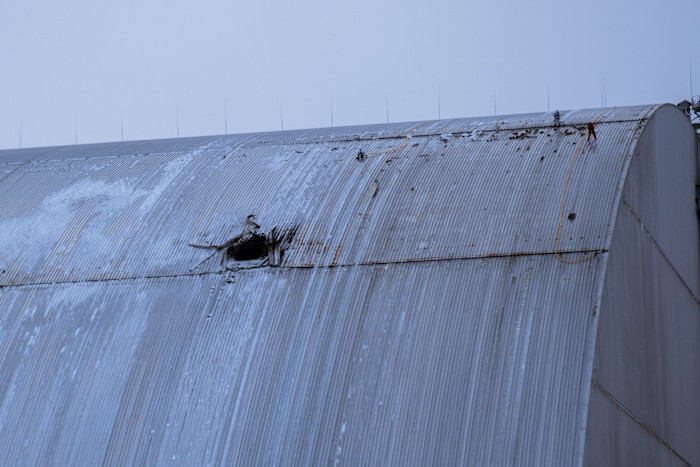
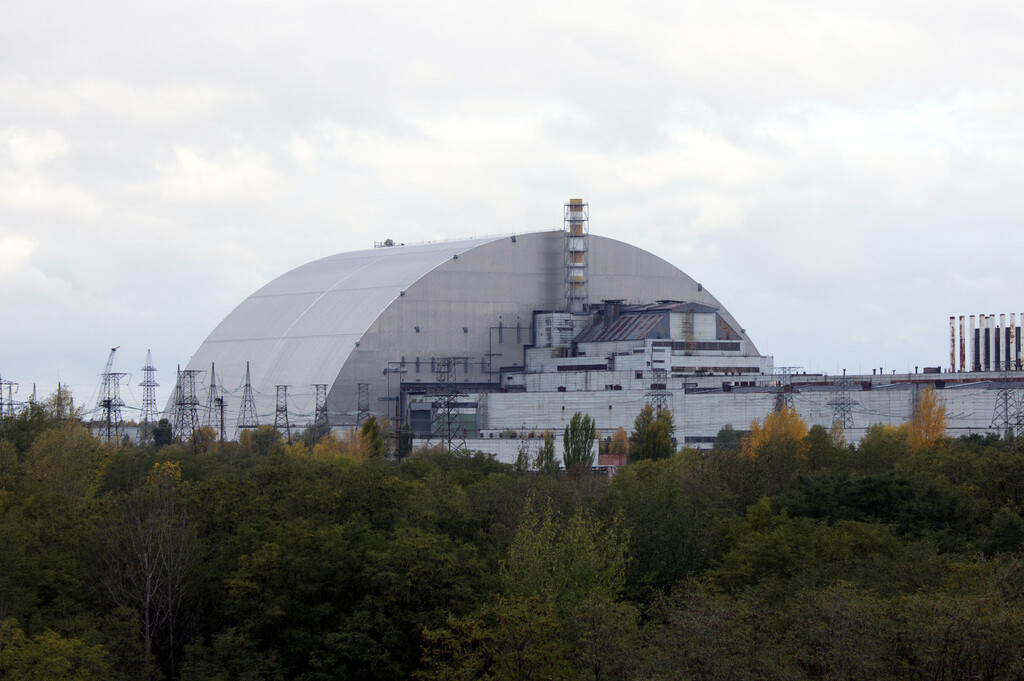
Nearly forty years after the reactor explosion, the site was shaken by a new emergency. An explosive drone struck the giant containment structure—known as the New Safe Confinement—that covers the old sarcophagus. The impact opened a hole and started a fire inside the facility.
Find Original Home Decor sparking conversation at Grand Goldman Shop.

Ukrainian emergency crews rushed to the scene, facing the daunting task of containing a blaze in a highly radioactive environment. The operation echoed the desperate efforts of 1986, when workers risked their lives to prevent a second catastrophe.
The Firefight: Two Weeks of Extreme Risk
More than one hundred rescuers worked in shifts of just thirty minutes to limit their radiation exposure. For two weeks, they climbed the structure and battled the flames, often in freezing conditions. The physical and psychological strain was immense.
The operation required extreme caution: every movement had to be carefully planned to avoid disturbing radioactive dust or damaging the containment further. The firefighters' bravery drew comparisons to the liquidators of the Soviet era.
Why the Containment Structure Matters
The New Safe Confinement, completed in 2016, was designed to last a century and to allow the eventual dismantling of the old sarcophagus. A breach in its integrity raises concerns about the release of radioactive particles and the long-term stability of the site.
Although the fire was extinguished and no immediate spike in radiation was reported, the incident underscored the fragility of nuclear containment systems in conflict zones.
The 1986 Echo: Three Men and a Flooded Tunnel
The story of Chernobyl is filled with acts of extraordinary courage. In 1986, three engineers volunteered to enter flooded tunnels beneath the reactor to open valves that could prevent a second explosion. For years, it was believed they died soon after from radiation exposure, but two survived for decades.
Their mission illustrated a paradox: the greatest nuclear danger often comes not from a bomb but from a reactor out of control. The 2025 drone attack added a new chapter to that narrative, showing that even a contained reactor can become a target. The background to this story is set out in Chernobyl's Steel Shield Damaged: $500 Million Repair Needed. A related thread runs through Russian Drone Hits Spent Nuclear Fuel Building Near Chernobyl. Earlier coverage in Massive Ukrainian Drone Attack on Russia Kills Six shows how the argument developed.
Key Takeaways from the Chernobyl Drone Incident
- Renewed danger: A drone strike breached the containment structure, causing a fire and forcing emergency crews into action.
- Heroic response: Over 100 rescuers worked in short shifts to minimize radiation exposure during a two-week operation.
- Historical parallel: The event recalled the 1986 volunteer mission, highlighting the recurring risks at Chernobyl.
- Ongoing vulnerability: The incident raised questions about the security of nuclear facilities in conflict zones.
- No immediate radiation spike: Authorities reported no significant release, but monitoring continues.
Comparing Chernobyl's Containment Over Time
| Structure | Completed | Purpose | Key Event |
|---|---|---|---|
| Original Sarcophagus | 1986 | Rapid containment of reactor 4 | Built in months by Soviet workers |
| New Safe Confinement | 2016 | Long-term containment and dismantling | 2025 drone breach and fire |
| Flooded Tunnels | 1986 | Prevent second explosion | Three volunteers opened valves |
What It Means for Nuclear Safety
The attack on Chernobyl's containment is a stark reminder that nuclear sites, even those in shutdown, remain vulnerable to modern warfare. The international community has condemned the strike, but the incident raises urgent questions about protecting nuclear facilities during conflicts. A closer look at the same subject appears in Ukrainian Drone Attack on Russia Kills Six, Escalates Air War. Anyone following the wider picture can start with Ukraine Drone Attack on Russian Oil Refineries Escalates Conflict. The same theme surfaces in Ukraine Drone Expo Attack: Organizer Faces Court Over Deadly, which takes a different angle.
For Ukraine, the firefight was another test of its emergency services' resilience. For the world, it was a warning that the ghosts of Chernobyl are never truly laid to rest. Context on how this played out before sits in Estonia Blames Russia for Arson Attack on Drone Maker. A companion piece, Drone Maker CEO Injured in Russia Car Bomb Attack, approaches the same subject from another angle.
FAQ
What caused the hole in Chernobyl's containment structure?
An explosive Russian drone struck the New Safe Confinement in February 2025, breaching the structure and igniting a fire inside.
Did the 2025 incident release radiation?
No immediate spike in radiation was reported, but monitoring continued as a precaution. The containment's integrity was compromised, raising concerns about potential leaks.
How does this compare to the 1986 disaster?
The 1986 explosion was caused by a reactor meltdown, while the 2025 incident was an external attack. Both required heroic efforts to prevent wider catastrophe.
Who were the three men who volunteered in 1986?
They were engineers who entered flooded tunnels to open valves and prevent a second explosion. Two survived for decades, contrary to early beliefs.
Browse the Shop
 Acacia frida deluxe solid wood bed frame |
Bedroom bench |
Bed chest drawers |
Lingerie dresser |
Frame base |
Mirror with jewelry storage |
30 Bathroom Vanity |
Memory foam queen mattress |
Mattresses for back pain |
Nightstand set of 2 |
Grand Goldman Shop |
Civil Lawyer
Deutschland Trikot WM 2026







