

Christiania, Copenhagen's self-proclaimed free city, marks 55 years since its founding this September. This self-governed neighborhood in the heart of the Danish capital remains a remarkable social experiment, offering a glimpse into a world apart from mainstream society.
For many travelers, Christiania is an unexpected discovery. Walking through Copenhagen's ordinary streets, you suddenly encounter a sign marking the entrance to this autonomous community. Crossing that threshold feels like stepping into a time machine—the traffic noise fades, replaced by the calm hum of bicycles, quiet conversations, guitars, and birdsong.
Find Original Home Decor sparking conversation at Grand Goldman Shop.

What Is Christiania?
Christiania is a self-governed neighborhood located in the Christianshavn district of Copenhagen. Founded in 1971 when a group of young people occupied abandoned military barracks, it has evolved into a community of over a thousand residents who live by their own rules, independent of Danish societal norms.
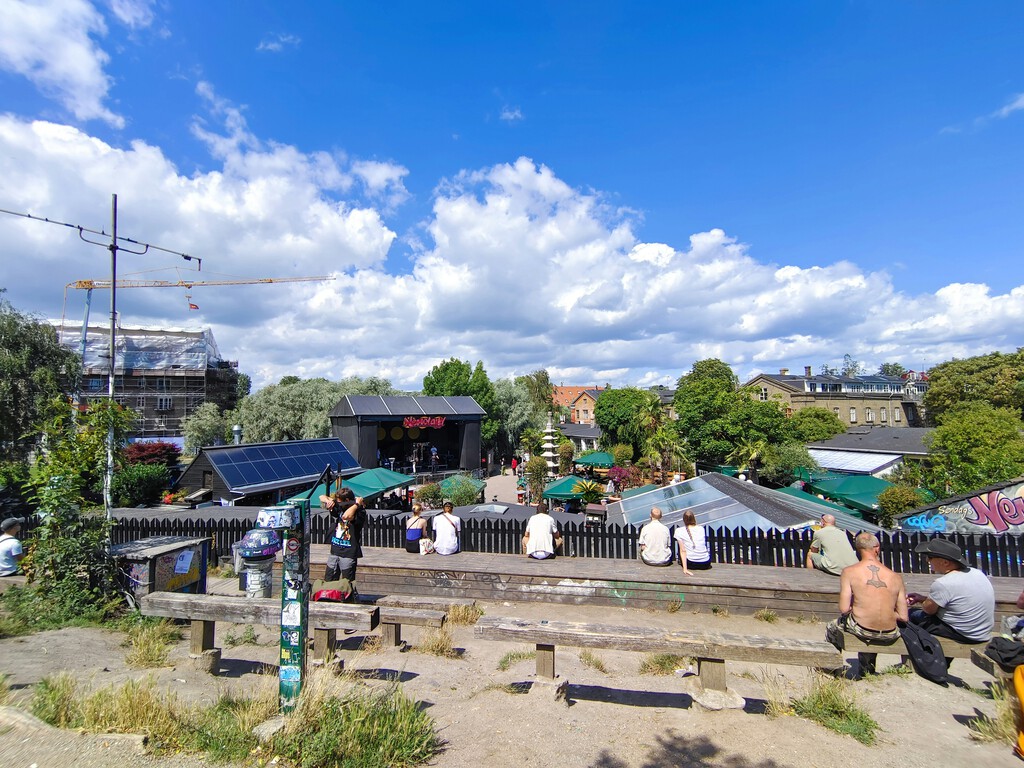
The area was originally military land, but the army abandoned it in 1971. That's when the first settlers moved in, declaring it a free community. Despite numerous battles with politicians and law enforcement over the decades, Christiania has persisted, maintaining its unique identity and autonomous spirit.
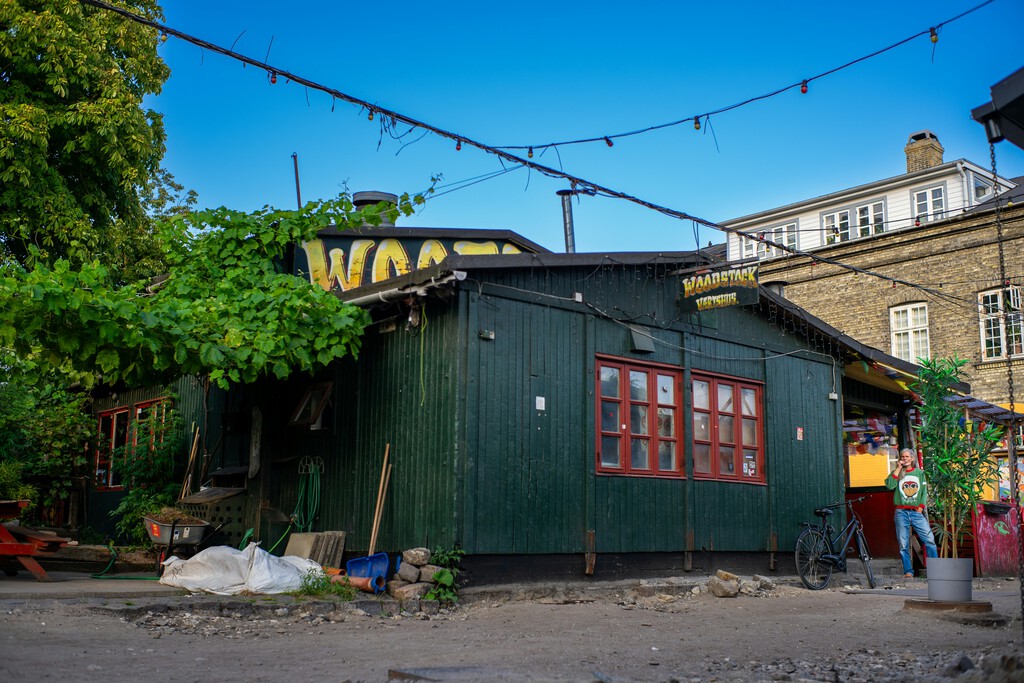
The Spirit of Christiania
Life in Christiania is characterized by a strong sense of community and freedom. Residents manage their own affairs, from infrastructure to social services, often through consensus-based decision-making. The community emphasizes sustainability, creativity, and tolerance.
Visitors can wander through colorful buildings, art installations, and green spaces. The atmosphere is relaxed, with a focus on coexistence and mutual respect. However, it's important to remember that Christiania is a residential area, not a theme park—respect for the residents and their rules is essential.
Challenges and Controversies
Christiania's history is marked by ongoing conflicts with Danish authorities. Issues around land ownership, drug policies, and legal status have led to tensions and negotiations. In 2004, the Danish government passed a law to normalize the area, leading to further disputes over property rights.
Despite these challenges, Christiania has adapted and survived. The community continues to negotiate its place within Denmark while preserving its core values. This resilience is a testament to the residents' commitment to their unique way of life.
Visiting Christiania: What to Know
If you're planning to visit Christiania, there are a few things to keep in mind. The community has its own set of rules, which are posted at entrances. Photography is restricted in certain areas, particularly in Pusher Street, where drug dealing has historically occurred (though the area has recently seen changes).
Respect the residents and their privacy. Christiania is not a tourist attraction but a living community. Enjoy the unique atmosphere, visit the galleries, cafes, and music venues, but remember that you are a guest.
- Christiania was founded in 1971 on abandoned military land.
- It is a self-governed community with its own rules and decision-making processes.
- The community has faced numerous legal and political challenges but remains resilient.
- Visitors should respect the residents and follow posted guidelines.
- Photography is restricted in some areas, especially Pusher Street.
Christiania's Cultural Impact
Christiania has had a significant cultural impact, both in Denmark and internationally. It is often seen as a symbol of alternative living and social experimentation. The community has inspired artists, musicians, and thinkers, and its unique architecture and vibrant street art attract visitors from around the world.
Moreover, Christiania's emphasis on sustainability and community living aligns with contemporary discussions on urban development and social organization. Its longevity suggests that alternative models can thrive alongside conventional society. The background to this story is set out in Copenhagen Climate Adaptation: How the Danish Capital Is Building Islands. A related thread runs through Copenhagen Elopement: The Romantic 20-Minute Wedding Guide. Earlier coverage in Chorrojumo: The Self-Proclaimed Gypsy King of 19th Century Granada shows how the argument developed.
What to Watch Next
As Christiania moves into its 56th year, the community continues to evolve. Recent developments include efforts to integrate more with the surrounding city while maintaining autonomy. The future of Pusher Street and ongoing legal negotiations will shape the next chapter of this unique experiment. A closer look at the same subject appears in FC Copenhagen Women: Startup-Like Brand Needs Results. Anyone following the wider picture can start with German city offers free stay – for a strange reason. The same theme surfaces in 2-K Program for Toddlers: Does Your US City Offer Free Preschool?, which takes a different angle.
For travelers interested in alternative cultures and social history, Christiania offers a fascinating glimpse into a community that has defied conventions for over half a century. It stands as a reminder that even in the heart of a modern city, there are spaces where people can imagine and live by different rules. Context on how this played out before sits in 10 Best Free Tours in Mexico City. A companion piece, Milan: 5 Best Spanish Free Tours to Discover the Fashion City, approaches the same subject from another angle.
| Aspect | Details |
|---|---|
| Founded | 1971 |
| Location | Christianshavn, Copenhagen |
| Population | Over 1,000 residents |
| Governance | Self-governed, consensus-based |
| Status | Autonomous community within Denmark |
FAQ
Is Christiania safe to visit?
Yes, Christiania is generally safe for visitors. However, like any community, it's important to respect local rules and be mindful of your surroundings. Avoid photography in restricted areas and follow posted guidelines.
Can I take photos in Christiania?
Photography is restricted in certain areas, particularly on Pusher Street, due to privacy and safety concerns. Always look for signs or ask residents before taking pictures.
What is there to do in Christiania?
Visitors can explore art galleries, enjoy organic cafes, listen to live music, and admire the unique architecture and street art. The community also hosts events and festivals throughout the year.
How do I get to Christiania?
Christiania is easily accessible by public transport. Take the Metro to Christianshavn Station, then walk for about 10 minutes. Biking is also a popular option, as Copenhagen is a bike-friendly city.
Browse the Shop
 Acacia frida deluxe solid wood bed frame |
Bedroom bench |
Bed chest drawers |
Lingerie dresser |
Frame base |
Mirror with jewelry storage |
30 Bathroom Vanity |
Memory foam queen mattress |
Mattresses for back pain |
Nightstand set of 2 |
Grand Goldman Shop |
Civil Lawyer
Deutschland Trikot WM 2026







