

Francisca Marqués, known as Paca, was a Spanish cuplé singer who rose to fame in the early 20th century, earning comparisons to modern stars like Rosalía. Born in Tarazona, Zaragoza, in 1888, she became one of the highest-paid performers of her time, admired by King Alfonso XIII and featured in Time magazine. Her story sheds light on a pivotal era in Spanish entertainment.
From Humble Beginnings to Cuplé Stardom
Francisca Marqués López was born into a poor family in Tarazona. As a child, she was sent to France to live with an aunt in hopes of a better life. She returned to Barcelona a few years later, settling in the Pueblo Seco neighborhood, where she worked as a seamstress to survive.
Find Original, High-end Home Decor that spark conversation at Grand Goldman Shop.
Her life changed when singer Marta Oliver discovered her voice and introduced her to the entertainment business. There, she met other future stars like La Chelito, a Cuban who later became a theater entrepreneur, and La Fornarina, a laundrywoman's daughter rescued from prostitution by a painter. Together, they pioneered the "reinas del cuplé" (queens of cuplé).
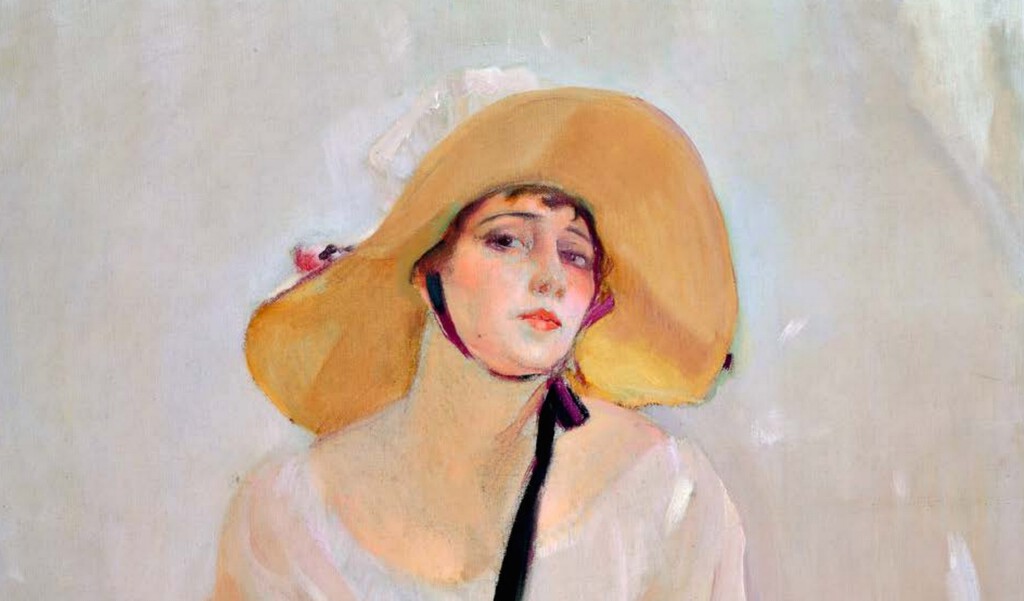
The Rise of a Cuplé Queen
Paca quickly became a sensation. She was known for her powerful voice and magnetic stage presence, but also for her strong personality. In 1912, the Teatro Arnau sued her for breach of contract. In 1913, she was convicted for slapping another cupletista across the face.
Despite controversies, her popularity soared. King Alfonso XIII publicly admired her, a risky move given that the Church and conservative Spain viewed cuplé as little more than a tavern show with costumes. She earned more than Carlos Gardel, the tango idol, and even Charles Chaplin, the most photographed man on the planet, begged her for a role. She refused him—twice. Context on how this played out before sits in Francisca Marques: The Spanish Cuplé Star Before Rosalía.
Francisca Marqués vs. Modern Stars
Paca's fame and influence can be compared to today's biggest celebrities. She was, in many ways, the Rosalía of her time—but with the business savvy of Jennifer Lopez and the avant-garde flair of Lady Gaga. The background to this story is set out in Trending: latest articles. A related thread runs through The Spanish Village Buried by Its Own Mine Since the 18th Century.
| Aspect | Francisca Marqués | Rosalía |
|---|---|---|
| Era | Early 20th century | 21st century |
| Genre | Cuplé | Flamenco-pop, reggaeton |
| Notable admirers | King Alfonso XIII, Charles Chaplin | Global fanbase, critics |
| Controversies | Lawsuits, physical altercations | Public image, musical style |
Key Takeaways from Francisca Marqués' Life
- She rose from poverty as a seamstress to become one of Spain's highest-paid entertainers.
- Her rivalry and collaborations with other cuplé singers helped define the genre.
- She broke social norms, earning the admiration of King Alfonso XIII despite conservative opposition.
- She rejected Charles Chaplin's offer for a film role, twice.
- Her legacy as a pioneering female artist continues to inspire.
The Legacy of Francisca Marqués
Francisca Marqués paved the way for future generations of Spanish female artists. Her boldness on and off stage challenged the moral codes of her time. Today, she is remembered as a trailblazer who proved that talent and determination could overcome humble origins. Earlier coverage in León Man Saves 150 Vintage Movie Projectors From Landfill shows how the argument developed. A closer look at the same subject appears in Ancient Greek Soldiers Were Powerhouses: 11 Hours in 3,500-Year-Old Bronze.
While Rosalía dominates headlines now, the story of Paca reminds us that the roots of Spanish pop culture run deep. Her life is a testament to the power of reinvention and the enduring appeal of charismatic performers. Anyone following the wider picture can start with Why National Anthems Are Almost Always Orchestral Music. The same theme surfaces in Black Banjo Players Reshaping Americana Music Today, which takes a different angle.
FAQ
Who was Francisca Marqués?
Francisca Marqués, also known as Paca, was a Spanish cuplé singer born in 1888 in Tarazona, Zaragoza. She became one of the most famous and highest-paid entertainers of her time, known for her powerful voice and strong personality.
Why is she compared to Rosalía?
Like Rosalía, Francisca Marqués was a groundbreaking female artist who achieved massive fame and influenced the music scene. Both pushed boundaries and became cultural icons of their eras.
What was her relationship with Charles Chaplin?
Charles Chaplin reportedly asked Francisca Marqués for a role in one of his films, but she rejected him twice. This anecdote highlights her independence and confidence as an artist.
How did she become a cuplé star?
She was discovered by singer Marta Oliver while working as a seamstress in Barcelona. Oliver introduced her to the entertainment business, where she quickly rose to prominence alongside other cuplé singers.
Browse the Shop
 Acacia frida deluxe solid wood bed frame |
Bedroom bench |
Bed chest drawers |
Lingerie dresser |
Frame base |
Mirror with jewelry storage |
30 Bathroom Vanity |
Memory foam queen mattress |
Mattresses for back pain |
Nightstand set of 2 |
Grand Goldman Shop |
Civil Lawyer
Deutschland Trikot WM 2026







