

Gotland, Sweden's tiny island in the Baltic Sea, has become a surprising focal point for NATO's defense planning. While the Estonia border often grabs headlines as the most threatened point, this island is quietly emerging as a critical test case for how the alliance prepares for potential conflict with Russia.
Why Gotland Matters in the Baltic
Gotland's strategic location makes it a linchpin for control of the Baltic Sea. The island sits roughly 90 kilometers from the Swedish mainland and about 300 kilometers from the Russian exclave of Kaliningrad. From Gotland, forces could project power across the entire Baltic region, threatening sea lanes and air corridors.
Find Original, High-end Home Decor that spark conversation at Grand Goldman Shop.
For NATO, securing Gotland means ensuring access to the Baltic states and maintaining freedom of movement in the region. For Russia, controlling Gotland would provide a powerful bargaining chip and a platform for anti-access/area denial (A2/AD) operations. This mutual recognition of the island's value explains why it has moved from the background to the center of military planning.
Silver Wotan 2026: A Test of Allied Defense
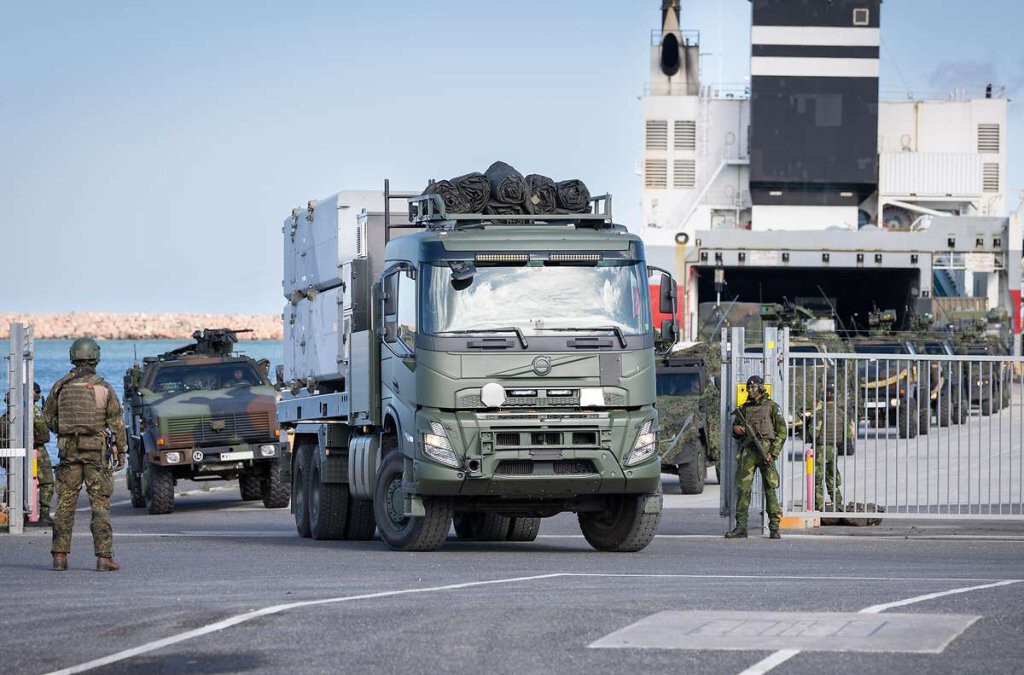
From September 14 to 23, Swedish and German forces will conduct exercise Silver Wotan 2026 around a very specific question: what would happen if Stockholm needed allied help to defend Gotland? More than 500 German military personnel will participate directly, with equipment transported by sea to Visby, the island's main city.
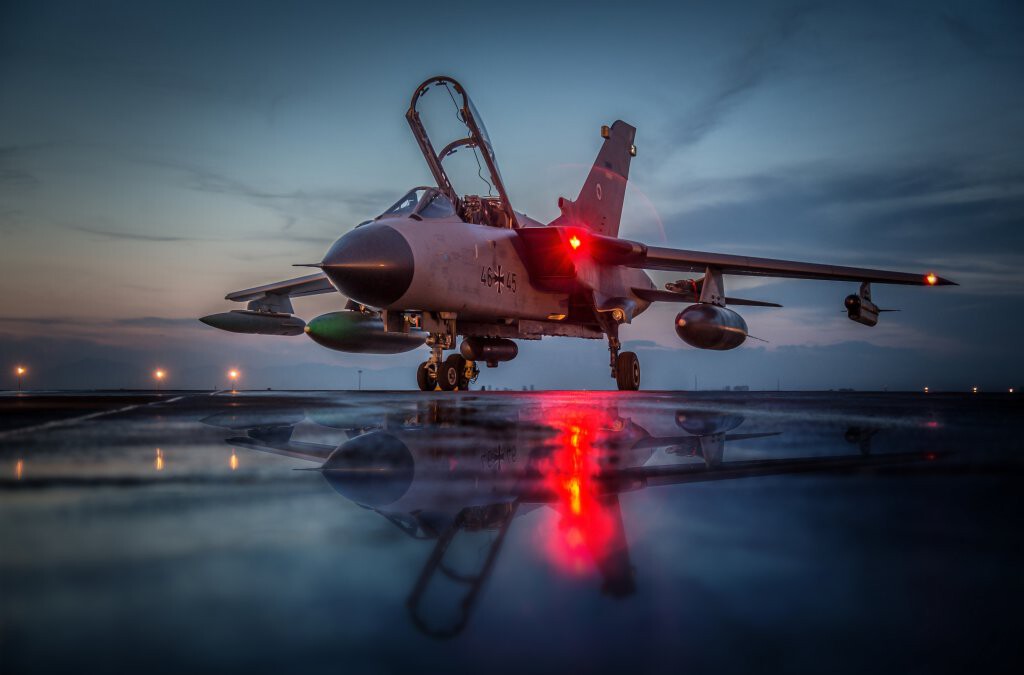
The exercise includes air defense systems, A400M transport aircraft, Tornado fighter jets, naval forces, and Sweden's own coastal defenses equipped with anti-ship missiles. This is not a theoretical tabletop exercise; it is a material rehearsal for a real-world contingency.
Germany's Deployment: A Signal to Russia
Germany's decision to deploy air defense systems to Gotland is a significant signal. It demonstrates that NATO allies are willing to put boots on the ground in the Baltic region, even in areas that were once considered peripheral. The deployment also highlights Germany's growing role in Baltic security, a shift from its traditionally more cautious stance.
The presence of German forces on Swedish soil is not just about defending Gotland; it is about reassuring Sweden and the other Baltic states that NATO's Article 5 commitment is credible. It also sends a message to Moscow that the alliance is prepared to defend every inch of its territory, including its newest member's most exposed outpost.
The Broader Context: NATO's Shift from Theory to Practice
Silver Wotan 2026 is part of a larger trend. Across Europe, NATO is moving from theoretical planning to practical preparation for potential conflict with Russia. While a full-scale invasion of the Baltic remains unlikely in the near term, the alliance is no longer treating such scenarios as purely hypothetical.
This shift is driven by Russia's ongoing war in Ukraine, which has demonstrated Moscow's willingness to use military force to achieve political goals. It has also exposed weaknesses in European defense readiness, prompting a wave of investments and exercises aimed at closing those gaps. The background to this story is set out in Europe's War Readiness and NATO Defense Challenges. A related thread runs through NATO Defense Measures After Russian Missile in Poland. Earlier coverage in Ukraine War Briefing: No NATO Membership for Kyiv, Says shows how the argument developed.
What to Watch Next
The success of Silver Wotan 2026 will be measured not just by whether the exercise goes smoothly, but by whether it leads to lasting improvements in NATO's ability to defend the Baltic. Key indicators include the speed of allied reinforcements, the integration of Swedish and German forces, and the resilience of command and control networks under stress. A closer look at the same subject appears in NATO Defends Territory After Russian Missile Hits Poland. Anyone following the wider picture can start with Europe Fears Russia Preparing to Test NATO Limits. The same theme surfaces in Malta Film Industry: How a Tiny Island Became a Movie Magnet, which takes a different angle.
Beyond the exercise, the broader question is whether NATO can sustain the political will and financial commitment needed to keep Gotland and similar outposts secure. The answer will shape the balance of power in the Baltic for years to come. Context on how this played out before sits in Russia NATO Attack Risk: Danish Intelligence Warning. A companion piece, Nato Condemns Russia's Irresponsible Nuclear Rhetoric Amid Kyiv, approaches the same subject from another angle.
- Gotland's location makes it vital for controlling the Baltic Sea and supporting NATO's eastern flank.
- Exercise Silver Wotan 2026 tests Sweden's ability to receive and integrate allied reinforcements.
- Germany's deployment of air defense systems signals a more active role in Baltic security.
- NATO is shifting from theoretical planning to practical preparation for potential conflict.
- Russia's war in Ukraine has accelerated these efforts and exposed readiness gaps.
| Exercise | Dates | Participants | Key Assets |
|---|---|---|---|
| Silver Wotan 2026 | Sep 14-23 | Sweden, Germany (500+ troops) | Air defense, A400M, Tornado, naval forces, anti-ship missiles |
| Previous Baltic exercises | Various | Multiple NATO members | Varies |
FAQ
Why is Gotland important to NATO?
Gotland's location in the middle of the Baltic Sea makes it a strategic hub for controlling sea lanes and air space. Whoever controls Gotland can project power across the region and potentially deny access to others.
What is Exercise Silver Wotan 2026?
Silver Wotan 2026 is a Swedish-German military exercise taking place on Gotland from September 14 to 23. It tests the scenario of Sweden needing allied help to defend the island, involving over 500 German troops and various air, naval, and coastal defense assets.
How does Germany's deployment affect Baltic security?
Germany's deployment of air defense systems and troops to Gotland signals NATO's willingness to defend the Baltic region. It reinforces deterrence and reassures allies, particularly Sweden, that Article 5 commitments are credible.
Is a Russian invasion of the Baltic likely?
A full-scale invasion of the Baltic is currently considered unlikely in the short term, as Russia remains focused on Ukraine. However, NATO is preparing for the possibility to ensure readiness and deterrence.
Browse the Shop
 Acacia frida deluxe solid wood bed frame |
Bedroom bench |
Bed chest drawers |
Lingerie dresser |
Frame base |
Mirror with jewelry storage |
30 Bathroom Vanity |
Memory foam queen mattress |
Mattresses for back pain |
Nightstand set of 2 |
Grand Goldman Shop |
Civil Lawyer
Deutschland Trikot WM 2026










