

Confirming your presence at an event sounds simple, yet the words you choose can shape how hosts and colleagues perceive you. A vague "sounds good" reply often leaves everyone guessing, so it helps to borrow a few better phrases for work emails that signal real commitment.
Think of your RSVP as a small chance to make a difference in how smoothly the gathering runs. Just as you would weigh new versus used RVs before a big purchase, you should weigh clarity against casualness before hitting send.
Find Original Home Decor sparking conversation at Grand Goldman Shop.

A crisp confirmation also saves organizers from chasing down stragglers with email finding tools and awkward follow-ups. When you want your yes to land warmly, try phrases that feel proud of you rather than merely polite.
What Does “I Will Be Attending” Mean?
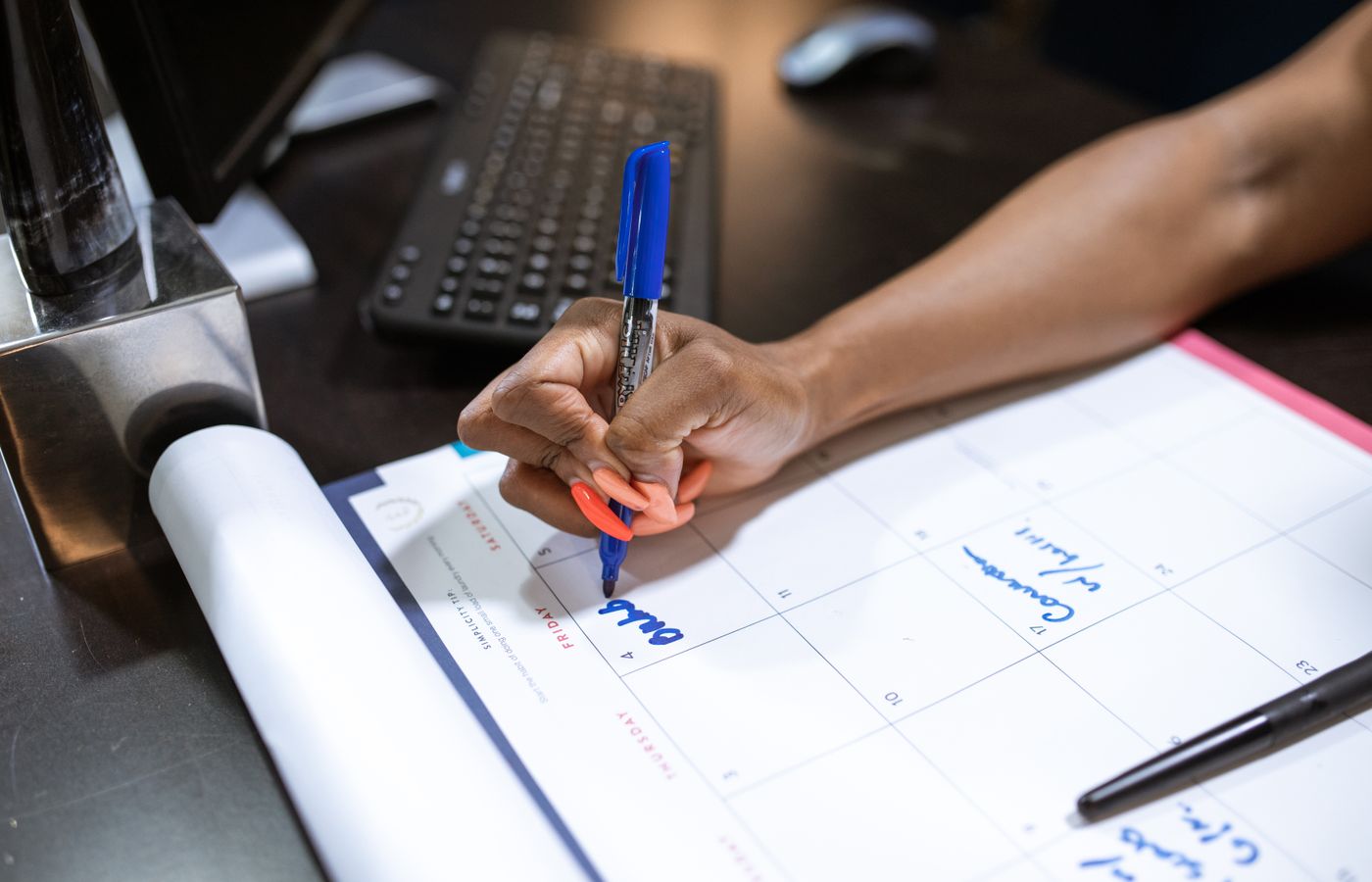
The phrase “I will be attending” is a verb phrase used to confirm that you plan to be present at a particular event or activity.
Definition: To indicate participation or presence at a scheduled event.
Synonyms:
- Formal: I shall attend, I plan to attend, I intend to participate
- Informal: I’ll come, I’m joining, I’ll be there
Opposite tones (absence): will not attend, can’t make it, I’ll miss it
Examples:
- Formal: I will be attending the conference next week.
- Informal: I’ll be there for the party.
When to Use “I Will Be Attending”
Spoken English: Use it in face-to-face confirmations or phone calls.
Business English: Ideal for meetings, conferences, or corporate events.
Emails / Messages: Works perfectly for RSVP emails or professional invitations.
Social Media: Less formal alternatives may be preferred, like “I’m joining” or “I’ll be there.”
Academic Writing: Useful for reporting conference participation or research presentations.
Professional Meetings: Demonstrates reliability and commitment in a professional setting.
Is “I Will Be Attending” Polite or Professional?
Tone Levels:
- Polite: Very polite; suitable for workplace and formal communication.
- Neutral: Standard confirmation without extra emotion.
- Strong: Neutral but can sound formal or rigid if overused.
Formal vs Informal:
- Formal: I will be attending, I shall attend
- Informal: I’ll come, I’m going
Etiquette Tip: Prefer formal versions for corporate emails or meetings. Avoid informal versions in highly professional contexts.
Pros & Cons of Using “I Will Be Attending”
✔ Pros:
- Polite and professional
- Clear and easy to understand
- Appropriate in almost all formal contexts
✘ Cons:
- Can sound repetitive or stiff in casual conversations
- May lack warmth or friendliness in informal settings
- Limited emotional nuance
Quick Alternatives List
- I’ll be there
- I plan to attend
- I intend to participate
- I’m joining
- Count me in
- I’ll make it
- I look forward to attending
- I’m scheduled to attend
- I’ll be present
- I shall attend
- I’m participating
- I’ll show up
- I confirm my attendance
- I’m signing up for
- I’ll be joining
12 Alternatives to “I Will Be Attending”
I’ll Be There
Meaning: Informal confirmation of attendance.
Explanation: Friendly and casual, suitable for social events or casual meetings.
Grammar Note: Contraction + verb phrase.
Example Sentence: I’ll be there for the dinner tonight.
Best Use: Informal / Social / Text messages
Worst Use: Formal emails or corporate meetings
Tone: Friendly / Casual
Level: Beginner
Similarity Score: 8/10
Replaceability Tip: Use in casual invitations or friendly conversations.
I Plan to Attend

Meaning: Indicates intention to attend, slightly formal.
Explanation: Shows forethought and commitment; neutral tone.
Grammar Note: Verb phrase
Example Sentence: I plan to attend the quarterly review meeting.
Best Use: Business / Email / Meetings
Worst Use: Informal texts
Tone: Neutral / Professional
Level: Intermediate
Similarity Score: 9/10
Replaceability Tip: Use when you want to show intent without casual tone.
I Intend to Participate
Meaning: Confirms active participation.
Explanation: Strong formal tone; emphasizes engagement.
Grammar Note: Formal verb phrase
Example Sentence: I intend to participate in the upcoming workshop.
Best Use: Academic / Business / Professional meetings
Worst Use: Social events
Tone: Formal / Professional
Level: Advanced
Similarity Score: 10/10
Replaceability Tip: Use for professional or academic settings.
Count Me In
Meaning: Informal way to confirm attendance.
Explanation: Casual, enthusiastic, and friendly.
Grammar Note: Idiomatic expression
Example Sentence: Count me in for the team outing!
Best Use: Social / Informal / Team activities
Worst Use: Corporate emails
Tone: Friendly / Casual
Level: Beginner
Similarity Score: 7/10
Replaceability Tip: Use when excitement and friendliness are desired.
I’ll Make It
Meaning: Informal confirmation, casual.
Explanation: Indicates you will attend; slightly upbeat tone.
Grammar Note: Informal verb phrase
Example Sentence: Don’t worry, I’ll make it to the party.
Best Use: Informal / Social / Text messages
Worst Use: Formal business context
Tone: Friendly / Casual
Level: Beginner
Similarity Score: 7/10
Replaceability Tip: Use with friends or colleagues in informal settings.
I Look Forward to Attending
Meaning: Polite and formal confirmation.
Explanation: Expresses enthusiasm; ideal for professional emails.
Grammar Note: Verb phrase
Example Sentence: I look forward to attending the conference next month.
Best Use: Formal / Email / Corporate meetings
Worst Use: Casual texts
Tone: Polite / Formal
Level: Intermediate
Similarity Score: 9/10
Replaceability Tip: Adds professionalism and warmth to emails.
I’m Scheduled to Attend

Meaning: States attendance as per prior arrangement.
Explanation: Neutral, factual tone; formal context.
Grammar Note: Present continuous
Example Sentence: I’m scheduled to attend the training session at 10 AM.
Best Use: Workplace / Business / Academic
Worst Use: Casual conversation
Tone: Neutral / Professional
Level: Intermediate
Similarity Score: 9/10
Replaceability Tip: Use for meetings with set schedules.
I’ll Be Present
Meaning: Formal confirmation of presence.
Explanation: Slightly stiff, emphasizes presence rather than participation.
Grammar Note: Formal verb phrase
Example Sentence: I’ll be present at the board meeting.
Best Use: Corporate meetings / Formal events
Worst Use: Social gatherings
Tone: Formal / Professional
Level: Advanced
Similarity Score: 8/10
Replaceability Tip: Use in highly professional or official contexts.
I Shall Attend
Meaning: Very formal, traditional English.
Explanation: Rarely used in casual speech; polite and official.
Grammar Note: Modal verb phrase
Example Sentence: I shall attend the inauguration ceremony.
Best Use: Formal letters / Official events
Worst Use: Text messages / Informal events
Tone: Formal / Polite
Level: Advanced
Similarity Score: 10/10
Replaceability Tip: Use in legal, ceremonial, or highly formal settings.
I’m Participating
Meaning: Confirms involvement, active role.
Explanation: Neutral and slightly formal; highlights engagement.
Grammar Note: Present continuous
Example Sentence: I’m participating in the charity run this weekend.
Best Use: Academic / Social / Professional events
Worst Use: Informal casual texts without context
Tone: Neutral / Professional
Level: Intermediate
Similarity Score: 9/10
Replaceability Tip: Use to emphasize active role rather than just attendance.
I Confirm My Attendance
Meaning: Formal confirmation.
Explanation: Polite and official; perfect for emails or RSVPs.
Grammar Note: Verb phrase
Example Sentence: I confirm my attendance at the annual general meeting.
Best Use: Email / Professional / Academic
Worst Use: Informal conversation
Tone: Formal / Professional
Level: Advanced
Similarity Score: 10/10
Replaceability Tip: Best for official correspondence and invitations.
I’ll Be Joining
Meaning: Casual or semi-formal confirmation.
Explanation: Friendly but professional enough for business contexts.
Grammar Note: Present continuous
Example Sentence: I’ll be joining the webinar tomorrow afternoon.
Best Use: Workplace / Email / Social
Worst Use: Highly formal events
Tone: Friendly / Neutral
Level: Intermediate
Similarity Score: 9/10
Replaceability Tip: Good balance between casual and professional.
Mini Dialogue Examples
Formal Dialogue:
- A: Will you be attending the conference?
- B: Yes, I shall attend and will prepare the necessary reports.
Informal Dialogue:
- A: Are you coming to the party tonight?
- B: Absolutely! Count me in!
Business Email Example:
Dear Mr. Smith,
I confirm my attendance at the strategy meeting scheduled for Monday, 10 AM. Looking forward to contributing.
Best regards,
Jane Doe
Mistakes to Avoid
- Using informal phrases in formal emails (“I’ll be there” in a corporate setting)
- Confusing “attending” with “participating”
- Overusing the same phrase repeatedly
- Forgetting polite tones in professional contexts
- Using contractions in highly formal emails
- Misplacing tense, e.g., “I attend” instead of “I will be attending”
- Assuming all alternatives are interchangeable
Cultural & Tone Tips
- UK English: Slightly more formal; “I shall attend” or “I’ll be attending” preferred in official contexts
- US English: Less formal; “I’ll be there” or “I’ll be joining” common even in semi-professional settings
- Casual Social English: Friendly and relaxed; idioms like “Count me in” or “I’ll make it” are common
- Tone conveys professionalism; matching context is key to avoiding awkwardness
Comparison Table of Best Alternatives
| Phrase | Tone | Best Context | Professional Level | Example |
|---|---|---|---|---|
| I’ll be there | Friendly | Social / Informal | Low | I’ll be there for dinner. |
| I plan to attend | Neutral | Business / Meetings | Medium | I plan to attend the review meeting. |
| I intend to participate | Formal | Academic / Corporate | High | I intend to participate in the workshop. |
| Count me in | Friendly | Social / Informal | Low | Count me in for the outing! |
| I look forward to attending | Polite | Email / Professional | High | I look forward to attending the conference. |
| I confirm my attendance | Formal | Official / RSVP | High | I confirm my attendance at the AGM. |
Matching the Phrase to the Room
I once replied "I will attend" to a colleague's baby shower invite and got a polite but puzzled look. The words were correct, yet they landed like a calendar confirmation rather than a warm yes. Since then I read the room first: a formal committee gets "I shall attend" or "I am scheduled to attend," while a friend's dinner gets "count me in" or "I'll be there." I keep CNC Stand bookmarked.
The mistake I see most is people defaulting to the stiff version everywhere because it feels safe. It is safe, but it reads distant, and distance is hard to undo later. When I write to a client I keep the verb precise and add a line about timing; when I write to my team I shorten it and add warmth. That small shift changes how people hear the whole message, and it pairs well with the tone tips in our phrase guide and our chat slang breakdown. I covered that in Upsizing downsizing. I tested it, see AFK Mean.
FAQs
Is “I will be attending” rude?
No, it’s polite and professional.
Is it okay in emails?
Yes, particularly in formal or business emails.
What is the most formal alternative?
“I shall attend” or “I confirm my attendance.”
What is the most polite alternative?
“I look forward to attending.”
What should beginners use?
“I’ll be there” for informal and “I will be attending” for formal.
Can I use it for social media?
Yes, but casual alternatives like “I’ll join” or “Count me in” are preferred.
Conclusion
Using alternatives to “I will be attending” allows you to adjust your tone and match your audience.
Formal options enhance professionalism, while informal phrases make interactions friendly and approachable.
By practicing these alternatives in real conversations, emails, and meetings, you can improve clarity, fluency, and confidence in English communication.
Expanding your vocabulary ensures your message is always appropriate, polite, and engaging.
Browse the Shop
 Acacia frida deluxe solid wood bed frame |
Bedroom bench |
Bed chest drawers |
Lingerie dresser |
Frame base |
Mirror with jewelry storage |
30 Bathroom Vanity |
Memory foam queen mattress |
Mattresses for back pain |
Nightstand set of 2 |
Grand Goldman Shop |
Civil Lawyer
Deutschland Trikot WM 2026







