

Invisible car technology is transforming the way drivers handle summer traffic jams, keeping them cool and comfortable even when temperatures soar above 35 degrees Celsius (95°F). As families pack their cars for summer vacations, the dreaded traffic jam—known as "operación salida" in Spain—can quickly turn a dream trip into a sweaty, stressful ordeal. But modern vehicles are equipped with a range of features that work quietly in the background to reduce driver fatigue, maintain a pleasant cabin environment, and even help make better decisions on the road.
What Is Invisible Car Technology?
Invisible car technology refers to advanced systems that operate without drawing attention to themselves. Unlike flashy infotainment screens or aggressive styling, these features focus on enhancing comfort, safety, and efficiency. They include adaptive cruise control, automatic climate control, lane-keeping assist, and energy management systems. During long summer drives, these technologies become unsung heroes, silently adjusting to keep occupants relaxed and focused.
Find Original Home Decor sparking conversation at Grand Goldman Shop.

According to automotive experts, the shift toward invisible tech reflects a broader trend: innovation is no longer just about horsepower or acceleration. Instead, manufacturers are investing heavily in systems that make everyday driving less taxing. This is especially relevant during peak vacation periods when millions of cars hit the road simultaneously, creating congestion and challenging conditions.
Key Technologies That Keep You Cool in Traffic
When you're stuck in a jam with the sun beating down, several invisible systems work together to maintain comfort and safety. Here are the most impactful ones:
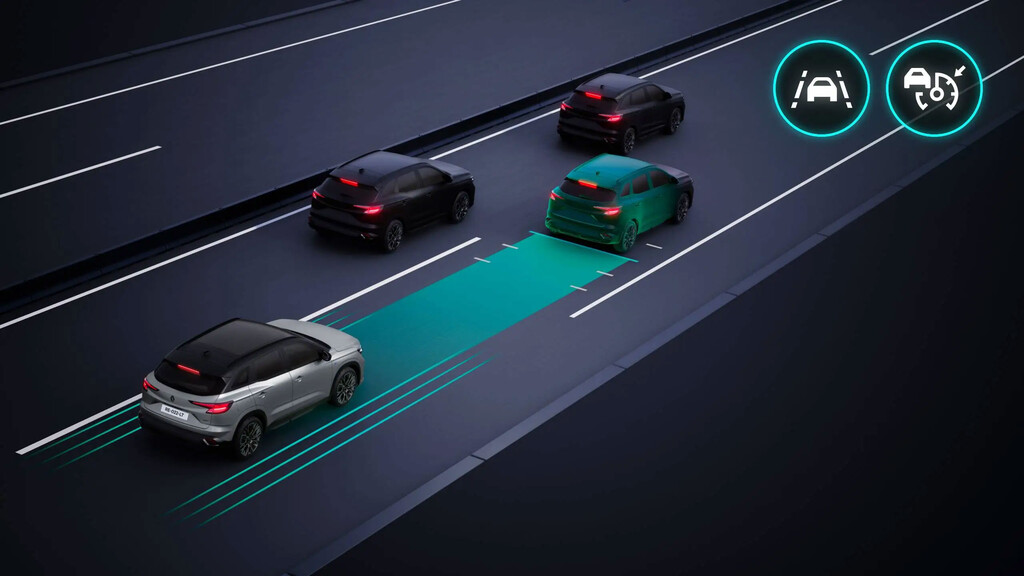
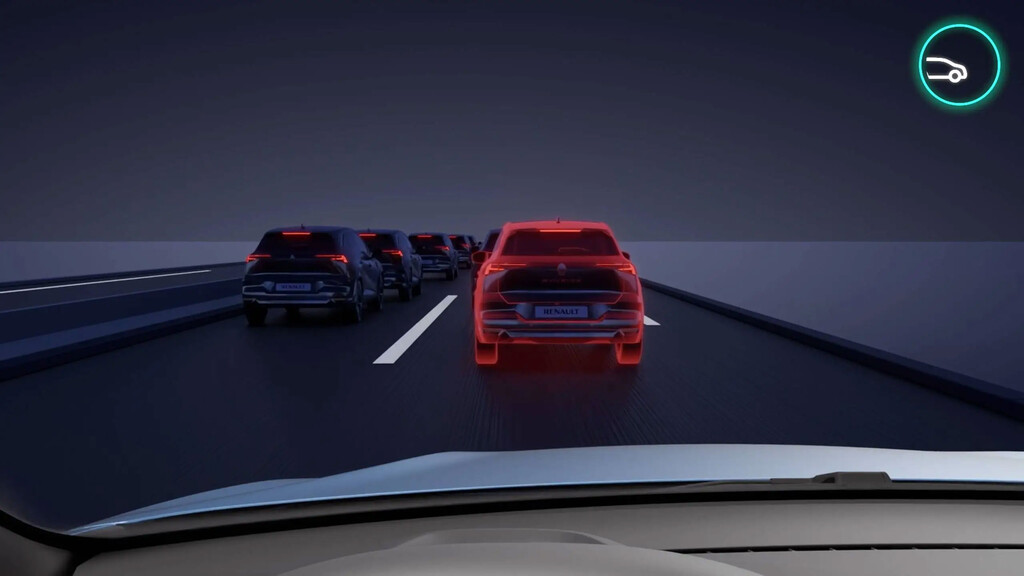
- Adaptive cruise control with stop-and-go: Automatically adjusts speed to traffic flow, reducing the need for constant braking and accelerating.
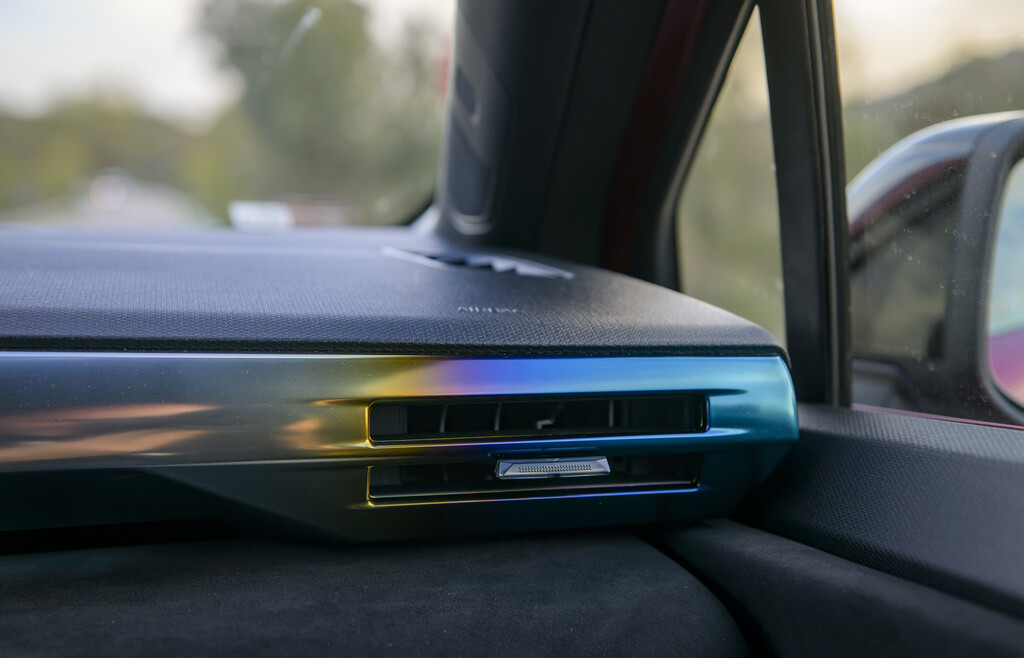
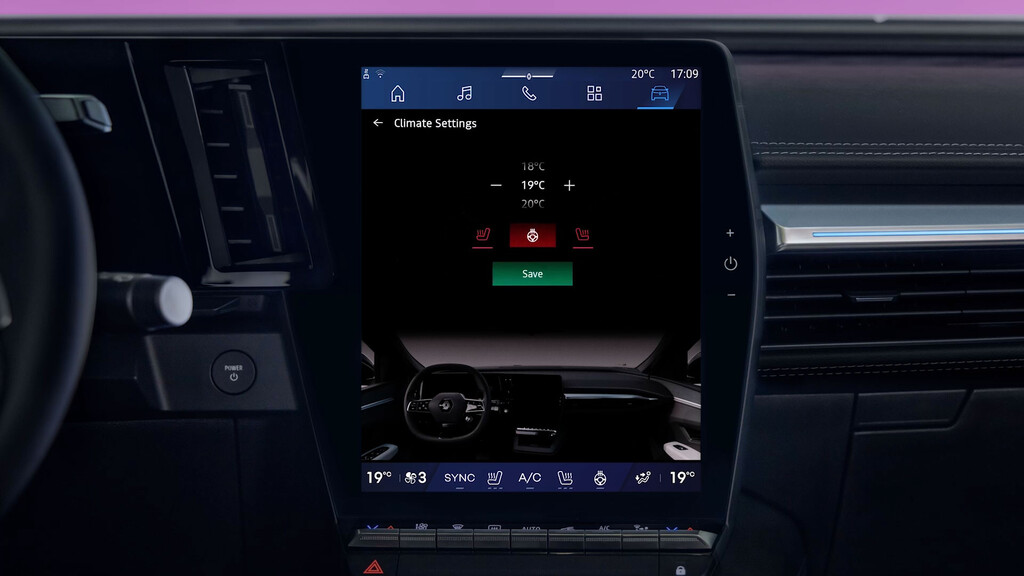
- Automatic climate control: Monitors cabin temperature and adjusts cooling and ventilation to keep occupants comfortable without manual intervention.
- Lane-keeping assist: Helps maintain lane position during monotonous traffic, reducing driver fatigue.
- Energy management systems: Optimize engine and battery usage to reduce fuel consumption and emissions during idling.
- Predictive navigation: Uses real-time data to suggest alternate routes and estimate delays more accurately.
These features are often invisible to the driver but play a crucial role in making summer travel less stressful. For instance, adaptive cruise control can significantly reduce the physical effort of stop-and-go driving, while automatic climate control ensures the cabin stays cool even as outside temperatures climb.
How These Systems Work Together
Modern vehicles integrate multiple systems to create a cohesive driving experience. For example, when adaptive cruise control slows the car, the climate control system may adjust fan speed to maintain comfort without draining power. Similarly, energy management can shut off the engine when stationary (start-stop system) and restart it smoothly when traffic moves, saving fuel and reducing emissions.
This integration is made possible by sophisticated sensors and software that continuously monitor both the vehicle's surroundings and internal conditions. The goal is to create a seamless experience where the driver can focus on the road while the car handles the mundane tasks. As a result, drivers arrive at their destinations less fatigued and more relaxed.
Comparison of Invisible Technologies
To better understand the impact of these systems, here's a comparison of their primary functions and benefits:
| Technology | Primary Function | Benefit in Summer Traffic |
|---|---|---|
| Adaptive Cruise Control | Maintains safe distance from vehicle ahead | Reduces driver fatigue from constant speed adjustments |
| Automatic Climate Control | Regulates cabin temperature and airflow | Keeps occupants cool and comfortable |
| Lane-Keeping Assist | Helps keep vehicle centered in lane | Reduces steering effort and stress |
| Energy Management | Optimizes engine and battery usage | Lowers fuel consumption and emissions during idling |
| Predictive Navigation | Provides real-time traffic updates and route suggestions | Helps avoid jams and reduces travel time |
Each technology contributes uniquely to a smoother journey, and their combined effect is greater than the sum of their parts.
Why This Matters for Drivers
The increasing prevalence of invisible car technology has real-world implications for drivers, especially during peak travel times. First, it enhances safety by reducing the cognitive load on drivers, who can then react more quickly to unexpected events. Second, it improves comfort, making long trips more pleasant for all passengers. Third, it contributes to fuel efficiency and lower emissions, which is both environmentally and economically beneficial. The longer history behind the story is traced in Car Window Trick to Cool Your Car in Summer Heat.
Moreover, as climate change leads to more frequent heatwaves, the ability to stay cool in traffic becomes not just a convenience but a health consideration. Heat exhaustion can impair driving ability, so systems that maintain a comfortable cabin temperature are essential. The background to this story is set out in Spain's New Traffic Rules Let Motorcyclists Use the Shoulder in Traffic Jams. A related thread runs through Salesperson Goes Above And Beyond To Help The Old Customer. Earlier coverage in Logitech G435 Review: The Most Comfortable Gaming Headset shows how the argument developed.
What to Watch Next
As automotive technology continues to evolve, we can expect even more sophisticated invisible systems. Future developments may include advanced driver monitoring that detects fatigue and adjusts settings accordingly, or integrated health monitoring that alerts emergency services if needed. Additionally, vehicle-to-everything (V2X) communication could allow cars to coordinate with traffic infrastructure to reduce congestion. A closer look at the same subject appears in Best Mattress Toppers for a Comfortable Night's Sleep. Anyone following the wider picture can start with RHS Wins £2.3m Compensation After Three-Year Traffic Jam at Wisley. The same theme surfaces in Roads with Futuristic Technology to Take Care of the Environment, which takes a different angle.
For now, drivers can appreciate the quiet assistance of existing technologies. When planning your next summer road trip, take a moment to explore your car's features—you might be surprised by how much it's already doing for you. Context on how this played out before sits in Volvo EX60: The Most Intelligent Car with Calm Technology. A companion piece, Summer Car Hire: Avoid Hidden Fees and Drive a Great Deal, approaches the same subject from another angle.
FAQ
What is adaptive cruise control and how does it help in traffic?
Adaptive cruise control is a system that automatically adjusts your car's speed to maintain a safe distance from the vehicle ahead. In traffic, it can slow down or stop your car as needed, reducing the need for constant pedal use and lowering driver fatigue.
Can invisible car technology improve fuel efficiency?
Yes, features like energy management and start-stop systems can significantly reduce fuel consumption, especially during idling in traffic jams. They optimize engine performance and minimize wasted energy.
How does automatic climate control work?
Automatic climate control uses sensors to monitor cabin temperature and automatically adjusts cooling, heating, and fan speed to maintain a preset comfort level. It ensures a consistent environment without manual adjustments.
Are these technologies available in all new cars?
Many of these features are increasingly standard or available as options in modern vehicles, but availability varies by make and model. It's best to check the specifications of the car you're interested in.
Browse the Shop
 Acacia frida deluxe solid wood bed frame |
Bedroom bench |
Bed chest drawers |
Lingerie dresser |
Frame base |
Mirror with jewelry storage |
30 Bathroom Vanity |
Memory foam queen mattress |
Mattresses for back pain |
Nightstand set of 2 |
Grand Goldman Shop |
Civil Lawyer
Deutschland Trikot WM 2026







