

Japan is witnessing a demographic shift as Chinese migrants form majority neighborhoods in areas like northwest Ikebukuro, Tokyo, creating self-sufficient enclaves where residents can live without speaking Japanese.
This phenomenon, reported by Nikkei, highlights a growing trend of Chinese communities establishing their own economic and social infrastructure within Japan.
Find Original Home Decor sparking conversation at Grand Goldman Shop.

What's Happening in Ikebukuro and Beyond
Northwest Ikebukuro has emerged as a "New Chinatown," with supermarkets, restaurants, tech stores, pharmacies, and services tailored to the Chinese community. Here, migrants like Tang, an editor who has lived in Tokyo for three years, say they can handle everything via smartphone with help from compatriots, avoiding language and bureaucratic barriers.
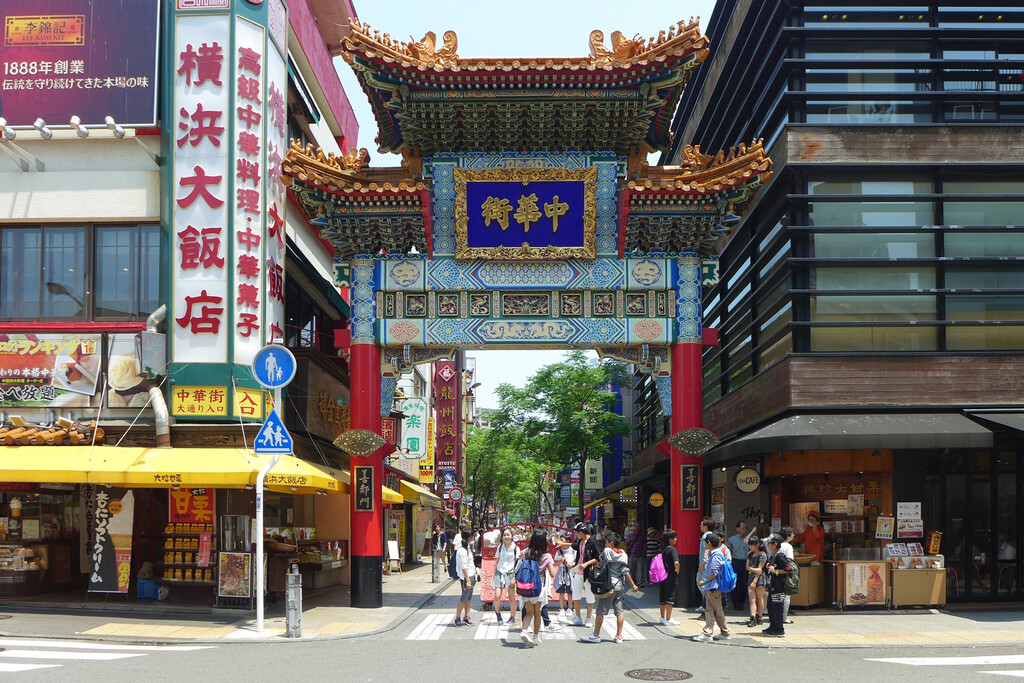
This environment, sometimes called a "Chinese economic zone" within Japan, allows migrants to maintain cultural and social ties without disconnecting from their roots.
Why This Matters: Demographic and Economic Implications
Japan's aging population and labor shortages have led to increased immigration, particularly from China. These enclaves offer newcomers a soft landing, but also raise questions about integration and social cohesion.
The concentration of Chinese residents in specific areas can lead to cultural clustering, which may slow assimilation but also fosters community support and economic activity.
Key Takeaways
- Chinese migrants are forming majority neighborhoods in parts of Japan, notably in Tokyo's Ikebukuro area.
- These enclaves provide services and social networks that allow residents to live without Japanese language skills.
- The trend reflects Japan's growing reliance on foreign labor amid demographic challenges.
- Local reactions are mixed, with some welcoming economic benefits and others concerned about integration.
Comparing Migrant Integration in Japan and Other Countries
Japan's experience with ethnic enclaves is relatively new compared to countries like the US or UK. The table below contrasts key aspects.
| Aspect | Japan | United States | United Kingdom |
|---|---|---|---|
| Historical immigration | Limited until recent decades | Long history of immigration | Long history of immigration |
| Enclave formation | Emerging (e.g., Ikebukuro) | Established (e.g., Chinatowns) | Established (e.g., Brick Lane) |
| Language services | Growing Chinese-language infrastructure | Widespread multilingual services | Multilingual services common |
| Integration policies | Decentralized, evolving | Varied by state | National integration strategy |
Who Is Affected and How
Japanese residents in these areas may experience cultural change, while Chinese migrants gain a sense of belonging. Local businesses adapt to serve the new demographic, and property markets may shift.
For migrants, these enclaves reduce stress and facilitate entrepreneurship. For the host society, they present opportunities for cultural exchange but also challenges in ensuring social cohesion. The background to this story is set out in Local Communities as Wildlife Stewards: A Balanced Approach. A related thread runs through Betting Shop Crackdown: Local Communities Gain Power to Reject. Earlier coverage in Japan's Demographic Crisis: Toyama Officials Accused of Adding 2,000 Fake shows how the argument developed.
What to Watch Next
As Japan continues to grapple with labor shortages, the growth of Chinese enclaves will likely accelerate. Policymakers must balance the benefits of immigration with the need for integration strategies. A closer look at the same subject appears in Train Disruption Northwest England: Power Cut Halts Services. Anyone following the wider picture can start with Japan's Youth Turn to Traditional Matchmakers to Solve Demographic Crisis. The same theme surfaces in Help Clean Up Your Local Area: Volunteer for Community Clean-Ups, which takes a different angle.
Monitoring local reactions, economic impacts, and policy responses will be crucial in understanding whether these enclaves become permanent fixtures or transitional spaces. Context on how this played out before sits in Trending: latest articles. A companion piece, Why Japan Calls Green Traffic Lights Blue: The Cultural and Linguistic, approaches the same subject from another angle.
FAQ
What is driving the formation of Chinese neighborhoods in Japan?
Japan's aging population and labor shortages have increased immigration from China. Migrants cluster in areas with existing Chinese services, creating self-sustaining communities.
Are these neighborhoods permanent?
Many migrants intend to stay long-term, suggesting these enclaves may become permanent. However, economic and policy changes could alter their trajectory.
How do Japanese residents react?
Reactions vary. Some appreciate economic revitalization, while others worry about cultural dilution and integration challenges.
Can migrants live without learning Japanese?
In these enclaves, yes. Services, social networks, and smartphone apps enable daily life with minimal Japanese, though long-term integration may require language skills.
Browse the Shop
 Acacia frida deluxe solid wood bed frame |
Bedroom bench |
Bed chest drawers |
Lingerie dresser |
Frame base |
Mirror with jewelry storage |
30 Bathroom Vanity |
Memory foam queen mattress |
Mattresses for back pain |
Nightstand set of 2 |
Grand Goldman Shop |
Civil Lawyer
Deutschland Trikot WM 2026







