

The ancient Maya city of Minanbé has been discovered deep in the jungle of Campeche, Mexico, after a 13-year quest by archaeologists. Led by Slovenian researcher Ivan Šprajc, the team had to cut through kilometers of dense vegetation with machetes and use quads to reach the site, which had been hidden for over a millennium.
The name Minanbé means “no road” in Yucatec Maya, a fitting description for a place so inaccessible that it took more than a decade to uncover. The discovery sheds new light on the Late Classic period of Maya civilization.
Find Original Home Decor sparking conversation at Grand Goldman Shop.

What Happened: The Discovery of Minanbé
The National Institute of Anthropology and History (INAH) of Mexico announced the finding, which has stirred the archaeological community. Minanbé is believed to have played a significant role during the Late Classic period (600–900 AD), based on initial observations of its structures and layout.
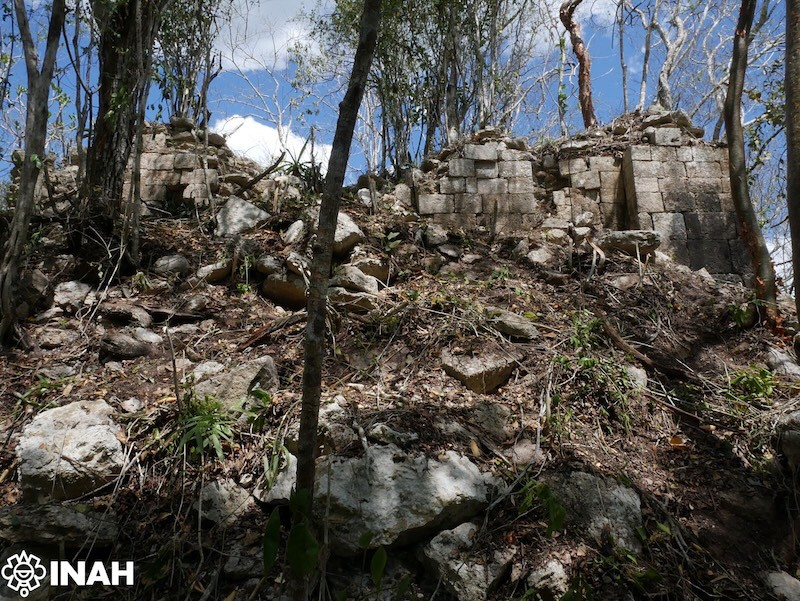
The site was engulfed by the jungle for over a thousand years, and its remote location made it one of the most challenging expeditions in recent Maya archaeology. The team’s perseverance paid off with the identification of plazas, pyramids, and other monumental architecture.
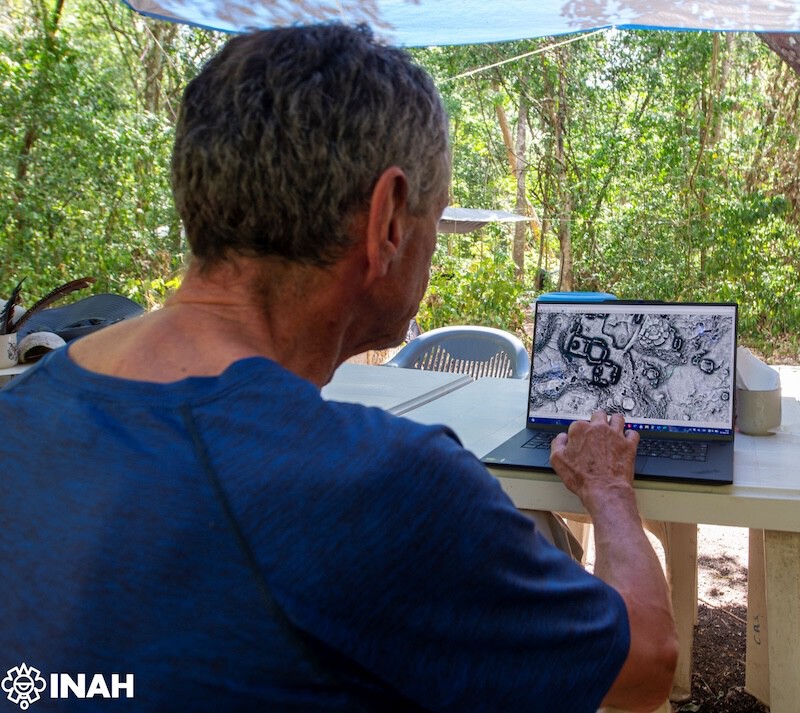
Why It Matters: Significance of the Find
Minanbé offers a rare window into the political and social dynamics of the Late Classic Maya. Its size and architectural complexity suggest it was a major center, possibly rivaling better-known cities like Calakmul or Tikal.
Moreover, the discovery highlights how much of the Maya world remains unexplored. Despite advances in remote sensing, dense jungle can still hide significant sites, underscoring the value of traditional fieldwork.
Key Takeaways
- The city was found after 13 years of exploration in Campeche, Mexico.
- Minanbé likely flourished during the Late Classic period (600–900 AD).
- The name means “no road” in Yucatec Maya, reflecting its isolation.
- The expedition required machetes and quads to navigate the dense jungle.
- The discovery suggests more lost cities may await in the region.
Who Is Affected: Stakeholders and Implications
The discovery impacts the local communities in Campeche, who may see increased tourism and research activity. It also affects the Mexican government, which will need to protect and manage the site.
For archaeologists, Minanbé provides a new case study for understanding Maya urbanism. The global community of Maya scholars will undoubtedly scrutinize the findings for years to come. The background to this story is set out in Calais Migrant Camps: Life Harsher a Decade After Jungle Demolition. A related thread runs through 5,000 Years of Human Civilization in One Chart: Eternal Empires. Earlier coverage in Best Cenotes Near Cancun: A Guide to Hidden Jungle Pools shows how the argument developed.
What to Watch Next: Future Research and Preservation
Researchers plan to conduct detailed mapping and excavation to determine the city’s extent and chronology. Conservation efforts will be crucial to protect the site from looting and environmental damage. A closer look at the same subject appears in Mexico: Guide to Visiting the Archaeological Site of Ek Balam. Anyone following the wider picture can start with Alarcos Excavation Reveals Major Archaeological Discovery in Spain. The same theme surfaces in Trending: latest articles, which takes a different angle.
As technology improves, lidar surveys may reveal even more hidden structures around Minanbé, potentially rewriting the history of the region. Context on how this played out before sits in Hoy No Circula Saturday: Which Cars Can Drive on July 11. A companion piece, Denmark's Largest Wind Farm Uncovers 400-Year-Old Shipwreck, approaches the same subject from another angle.
| Attribute | Details |
|---|---|
| Name | Minanbé (meaning “no road” in Yucatec Maya) |
| Location | Campeche, Mexico |
| Period | Late Classic (600–900 AD) |
| Expedition Duration | 13 years |
| Lead Archaeologist | Ivan Šprajc (Slovenian) |
FAQ
What is Minanbé?
Minanbé is a newly discovered ancient Maya city in Campeche, Mexico. Its name means “no road” in Yucatec Maya, reflecting its remote location deep in the jungle.
Why did it take 13 years to find?
The city was located in an inaccessible area covered by dense vegetation. Archaeologists had to cut paths with machetes and use quads to navigate, making the search extremely time-consuming.
What period did Minanbé belong to?
Initial observations suggest Minanbé was prominent during the Late Classic period, roughly 600–900 AD, based on its architectural style and layout.
Who led the discovery?
The expedition was led by Slovenian archaeologist Ivan Šprajc, who has extensive experience in Maya archaeology. The team included Mexican researchers and local guides.
Browse the Shop
 Acacia frida deluxe solid wood bed frame |
Bedroom bench |
Bed chest drawers |
Lingerie dresser |
Frame base |
Mirror with jewelry storage |
30 Bathroom Vanity |
Memory foam queen mattress |
Mattresses for back pain |
Nightstand set of 2 |
Grand Goldman Shop |
Civil Lawyer
Deutschland Trikot WM 2026







