

The Shukhov Tower, often called Russia's Eiffel Tower, is a 148-meter steel landmark in Moscow that has stood for over a century. Completed in 1922, it survived Stalin's purges, the Nazi invasion, and the collapse of the Soviet Union. Now, Moscow authorities say restoring it is too costly and are considering dismantling it to build a new version. This is the story of a engineering marvel facing an uncertain future.
What Is the Shukhov Tower?
Commissioned by Vladimir Lenin and designed by engineer Vladimir Shukhov, the tower was built to transmit radio signals across the Soviet Union. Its unique hyperboloid structure—a series of intertwined steel lattices—made it a symbol of communist technological ambition. The tower's lightweight design became a reference point for modern architecture and a direct response to the Eiffel Tower, which had been unveiled in Paris in 1889.
Find Original Home Decor sparking conversation at Grand Goldman Shop.

Unlike the Eiffel Tower, which was initially criticized by artists but later embraced, the Shukhov Tower was celebrated from the start as a triumph of Soviet engineering. Its innovative geometry influenced architects worldwide, including Antoni Gaudí and Le Corbusier.
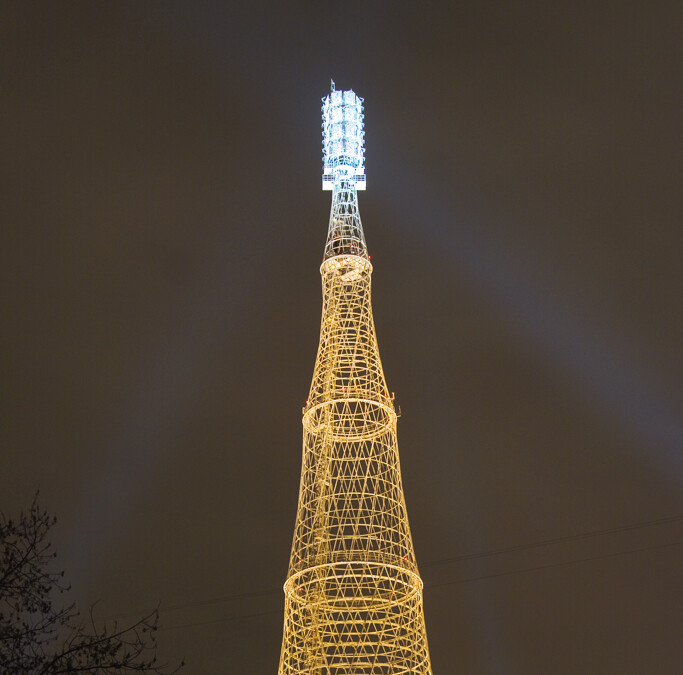
A Century of Survival
The tower endured some of the most turbulent events of the 20th century. It witnessed the Stalinist purges, the German invasion of the Soviet Union during World War II, and the eventual dissolution of the USSR in 1991. Through it all, the structure remained standing, though its condition deteriorated due to decades of insufficient maintenance.

The last time the tower was painted was in the 1970s, and since then, corrosion has taken its toll. Despite its historical significance, the tower has never received the kind of preservation efforts seen for other global landmarks.
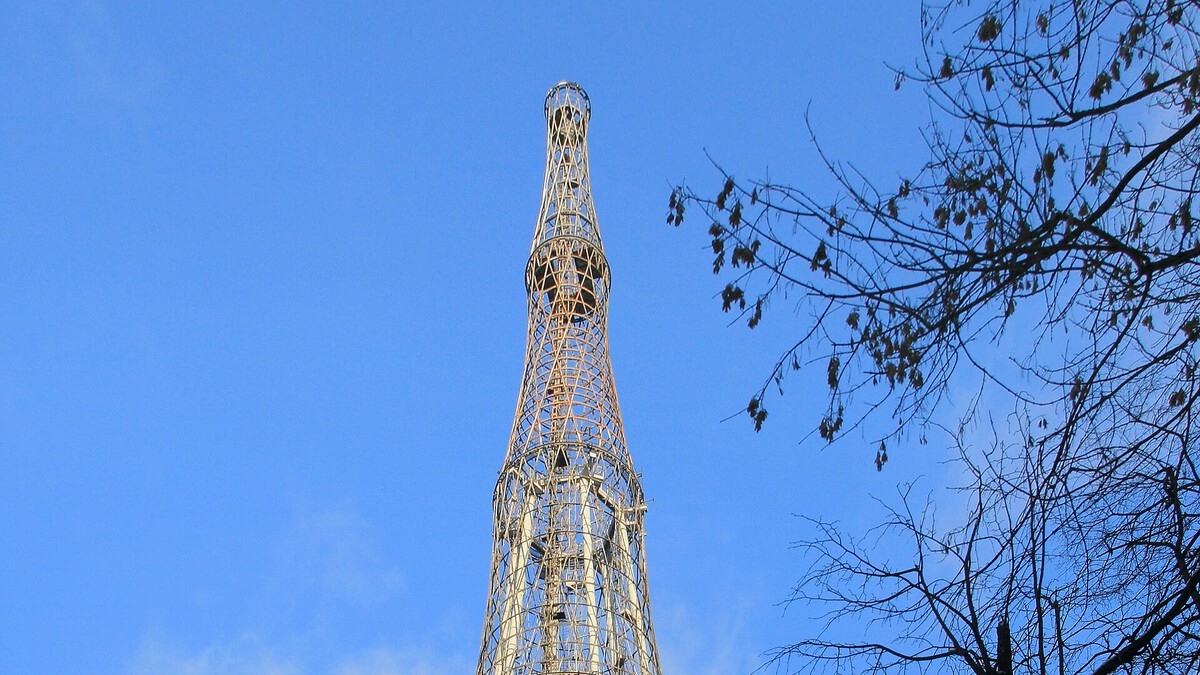
Why Demolition Is Being Considered
Russian authorities argue that restoring the tower would be prohibitively expensive. Instead, they propose dismantling it and constructing a replica. This approach would preserve the idea of the tower—its symbolic value—while replacing the original with a modern structure. Context on how this played out before sits in Russia's Eiffel Tower: Shukhov Tower Faces Demolition After a Century.
Critics argue that such a move would destroy the authenticity of the monument. The Shukhov Tower is not just a steel framework; it is a testament to the ingenuity of early 20th-century engineering and a physical link to Russia's history. Replacing it with a copy would erase that tangible connection. The background to this story is set out in Eiffel Tower and Paintbrush Acrobats: A DIY Tribute. A related thread runs through Trending: latest articles.
Key Takeaways
- The Shukhov Tower was completed in 1922 as a radio transmission tower and a symbol of Soviet technological prowess.
- It has survived Stalin's purges, World War II, and the fall of the Soviet Union.
- Decades of neglect have left the structure corroded and in need of costly repairs.
- Authorities are considering dismantling it and building a replica, citing restoration costs.
- Preservationists argue that replacing the original with a copy would destroy its historical authenticity.
Shukhov Tower vs. Eiffel Tower: A Comparison
| Feature | Shukhov Tower | Eiffel Tower |
|---|---|---|
| Height | 148 meters | 330 meters |
| Completed | 1922 | 1889 |
| Designer | Vladimir Shukhov | Gustave Eiffel |
| Structure | Hyperboloid steel lattice | Wrought iron lattice |
| Original Purpose | Radio transmission | World's Fair entrance |
What's Next for the Tower?
The fate of the Shukhov Tower remains uncertain. While authorities have not announced a final decision, the debate highlights a broader issue: how to balance preservation of historical landmarks with financial realities. For now, the tower stands as a silent witness to history, awaiting its fate. Earlier coverage in CIA Director's Moscow Trip Echoes 2021 Pre-Invasion Warning shows how the argument developed. A closer look at the same subject appears in Cecotec EnergySilence 790 Skyline: The Affordable Tower Fan for Summer Heat.
Preservation groups and architectural historians continue to advocate for restoration. They argue that the tower's cultural value far outweighs the cost of repairs. Whether their voices will be heard remains to be seen. Anyone following the wider picture can start with Aragon Wildfire Threatens San Juan de la Peña Monastery. The same theme surfaces in G20 Family Photo Cancelled as Nations Refuse to Stand With Russia, which takes a different angle.
FAQ
What is the Shukhov Tower?
What is the Shukhov Tower?
The Shukhov Tower is a 148-meter steel tower in Moscow, completed in 1922. It was designed by Vladimir Shukhov and is known for its hyperboloid structure. It was built to transmit radio signals and is often compared to the Eiffel Tower.
Why is the tower at risk of demolition?
Russian authorities claim that restoring the tower is too expensive. They propose dismantling it and building a replica instead. This has sparked debate about preserving original historical structures versus replacing them with copies.
What historical events has the tower survived?
The tower has survived the Stalinist purges, the German invasion of the Soviet Union during World War II, and the collapse of the Soviet Union in 1991. It has stood for over a century despite insufficient maintenance.
What is the tower's significance?
The Shukhov Tower is a landmark of engineering and a symbol of Soviet technological ambition. Its innovative design influenced modern architecture and it remains a testament to early 20th-century ingenuity.
Browse the Shop
 Acacia frida deluxe solid wood bed frame |
Bedroom bench |
Bed chest drawers |
Lingerie dresser |
Frame base |
Mirror with jewelry storage |
30 Bathroom Vanity |
Memory foam queen mattress |
Mattresses for back pain |
Nightstand set of 2 |
Grand Goldman Shop |
Civil Lawyer
Deutschland Trikot WM 2026







