

South Korea marriage rates among young adults are showing a surprising uptick, reversing a decade-long decline. According to Statistics Korea, marriages involving individuals in their 20s and early 30s have increased, offering a potential glimmer of hope for the country's demographic challenges.
The data reveals a significant shift: after years of steady decreases, the number of marriages among young people has started to climb. This trend is particularly notable given the conservative nature of South Korean society, where marriage and childbirth remain closely intertwined.
Find Original Home Decor sparking conversation at Grand Goldman Shop.

What the Latest Statistics Show
Statistics Korea's figures paint a clear picture of the recent reversal. For women aged 25-29, marriages plummeted from 109,300 in 2015 to 55,700 in 2023—a 49% drop. However, 2024 saw a rebound to 64,300 marriages, and 2025 consolidated the increase with 69,300.
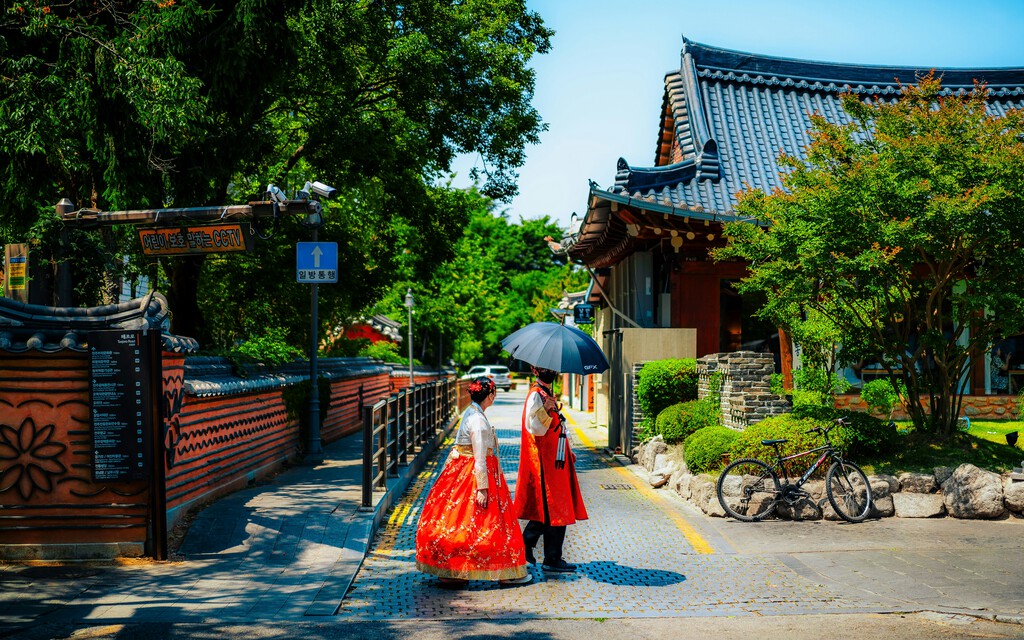
The pattern for men is similarly encouraging. After a prolonged period of decline, marriages among men in their 20s and early 30s have also begun to rise, mirroring the trend seen among women.
Why This Matters for South Korea's Demographics
In South Korea, marriage is not just a personal milestone; it's a demographic linchpin. Less than 5% of births occur outside of marriage, meaning the marriage rate directly influences the birth rate. With the country grappling with one of the world's lowest fertility rates, any increase in marriages is closely watched.
The recent uptick could signal a shift in attitudes among young adults, who have increasingly prioritized careers and financial stability over starting families. However, experts caution that it's too early to tell if this is a lasting trend or a temporary post-pandemic rebound.
Factors Driving the Increase
Several factors may be contributing to the rise in marriages. The easing of pandemic-related restrictions has allowed more social interactions and weddings that were previously postponed. Additionally, government policies aimed at encouraging marriage and childbirth, such as financial incentives and housing support, may be having an effect.
Changing societal norms could also play a role. While traditional values still hold sway, younger generations are gradually adopting more diverse views on relationships and family life.
Challenges Ahead
Despite the positive news, significant challenges remain. South Korea's high cost of living, competitive job market, and expensive housing continue to deter many young people from marrying and having children. The gender gap in marriage rates and the increasing number of single-person households also pose obstacles. The background to this story is set out in South Korea's $14,000 Marriage Incentive Fails to Boost Birth Rate. A related thread runs through Gen Z Adulthood: Why Society Is Clueless About Young Adults. Earlier coverage in Why Young Adults Today Have Fewer Close Friends Than Ever shows how the argument developed.
Moreover, the increase in marriages among young adults, while welcome, may not be enough to offset the overall decline in the population. The country's aging population and low birth rate require sustained efforts to reverse the demographic tide. A closer look at the same subject appears in Gen Z Dating: Why a Third of Young Adults Have Never. Anyone following the wider picture can start with Europe's Demographic Crisis: Young Face Consequences. The same theme surfaces in Britain’s Kidulthood Crisis: Young Adults Priced Out of, which takes a different angle.
What to Watch Next
All eyes will be on whether the marriage increase translates into a sustained rise in births. If the trend continues, it could signal a turning point for South Korea's demographic future. However, experts stress the need for continued policy support and societal change to ensure long-term stability. Context on how this played out before sits in Meningitis B Vaccine Deadline Looms for UK Young Adults. A companion piece, Youth Loneliness Soars: No Close Friends Among Young in England, approaches the same subject from another angle.
- Marriages among young adults in South Korea increased in 2024 and 2025 after years of decline.
- Less than 5% of births occur outside marriage, making marriage rates crucial for fertility.
- Pandemic recovery and government incentives may be driving the uptick.
- High living costs and housing expenses remain significant barriers.
- It's uncertain whether the trend will be sustained long-term.
| Year | Marriages (Women 25-29) | Change from Previous Year |
|---|---|---|
| 2015 | 109,300 | - |
| 2023 | 55,700 | -49% (from 2015) |
| 2024 | 64,300 | +15.4% |
| 2025 | 69,300 | +7.8% |
FAQ
Why are marriages among young adults increasing in South Korea?
The increase may be due to post-pandemic recovery, government incentives, and changing societal attitudes. However, experts caution that it's too early to determine if this is a lasting trend.
How does marriage affect South Korea's birth rate?
In South Korea, less than 5% of births occur outside marriage, so marriage rates directly influence the birth rate. An increase in marriages could lead to more births, helping to address the country's low fertility rate.
What challenges remain for young couples in South Korea?
High living costs, expensive housing, and a competitive job market continue to make marriage and childbearing difficult for many young adults. These factors could hinder a sustained increase in marriage rates.
Is the rise in marriages enough to reverse South Korea's demographic decline?
While the increase is a positive sign, it may not be sufficient to offset the overall population decline. Sustained policy support and societal changes are needed to address the demographic challenges.
Browse the Shop
 Acacia frida deluxe solid wood bed frame |
Bedroom bench |
Bed chest drawers |
Lingerie dresser |
Frame base |
Mirror with jewelry storage |
30 Bathroom Vanity |
Memory foam queen mattress |
Mattresses for back pain |
Nightstand set of 2 |
Grand Goldman Shop |
Civil Lawyer
Deutschland Trikot WM 2026







