

In the Ukraine war, spring vegetation is emerging as a key factor that gives Russia a tactical advantage, altering the balance of combat even against advanced drone technology. Small environmental changes can decisively shape offensives, and the shift from winter's barren landscape to spring's dense foliage is no exception.
Throughout history, weather, terrain, and vegetation have dictated the timing and success of military operations. The difference between advancing and being exposed often hinges not on weapons but on the landscape itself.
Find Original Home Decor sparking conversation at Grand Goldman Shop.

How Winter Conditions Favored Ukraine
During the past winter, the war in Ukraine was defined by a silent but decisive factor: visibility. The lack of vegetation, combined with fog and cold, turned the battlefield into an exposed and lethal space for any offensive movement.
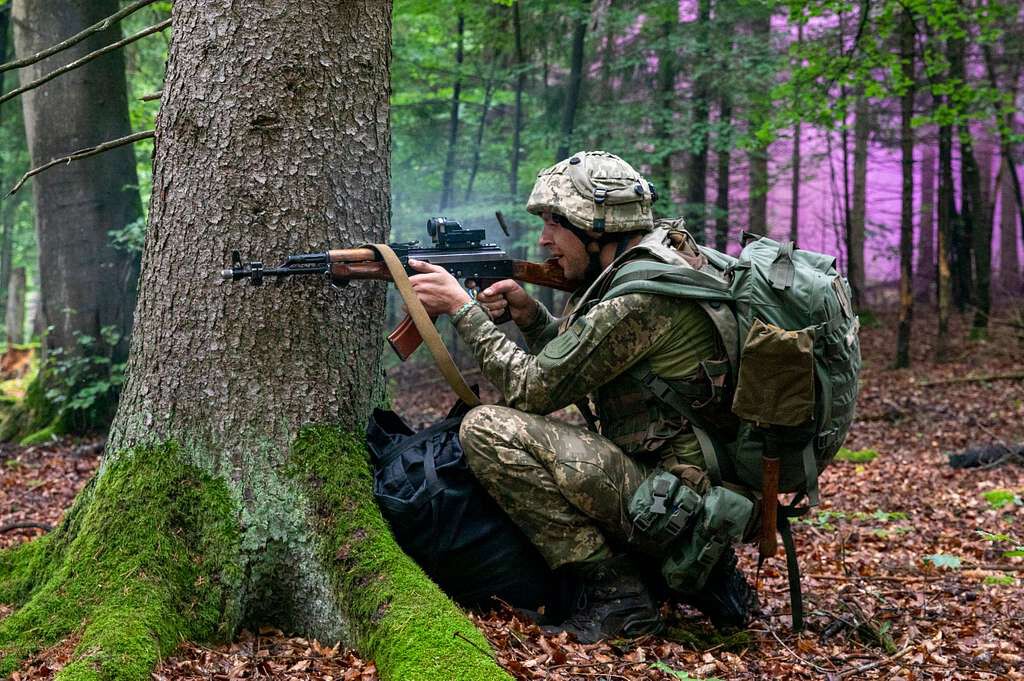
In that environment, drones dominated the air with ease, detecting almost any movement and making every advance an immediate risk. Russia, despite its superiority in resources, saw its momentum slowed, while Ukraine used the scenario to stabilize the front and launch limited but effective counterattacks.
Spring Vegetation Shifts the Balance
With the arrival of spring, that equilibrium begins to break because the terrain is no longer the same, nor is the visibility. The dense vegetation that sprouts across fields and forests provides natural cover for troop movements and equipment, reducing the effectiveness of aerial reconnaissance.
For Russia, this offers a key advantage: the ability to move forces and supplies under the canopy of trees and tall grass, making it harder for Ukrainian drones to spot and target them. The thick foliage acts as a shield, complicating the use of surveillance and strike drones that rely on clear lines of sight.
Impact on Drone Warfare
Drones have been a game-changer in this conflict, providing both sides with unprecedented situational awareness. However, their effectiveness is highly dependent on environmental conditions. In winter, the bare landscape made detection easy; in spring, the green cover disrupts that advantage.
This doesn't mean drones become useless, but their operators must adapt tactics, perhaps relying more on thermal imaging or signals intelligence. The shift underscores the cat-and-mouse nature of modern warfare, where technology and nature interact in unpredictable ways.
Key Factors in the Spring Shift
- Vegetation cover: Dense foliage hides troops and equipment from aerial view.
- Reduced visibility: Leaves and branches obscure drone cameras and sensors.
- Mobility: Harder for defenders to spot incoming attacks, allowing surprise maneuvers.
- Adaptation: Both sides must adjust tactics to the new environment.
- Weather variability: Spring rains and mud can also affect movement and operations.
Comparison of Seasonal Conditions
| Season | Vegetation | Visibility | Drone Effectiveness | Advantage |
|---|---|---|---|---|
| Winter | Sparse | High (except fog) | High | Ukraine (defender) |
| Spring | Dense | Reduced | Lower | Russia (attacker) |
The table illustrates how the same technology can have different impacts based on environmental factors. In winter, clear skies and bare ground gave drones a clear view, benefiting the defender who could spot and react to movements. In spring, the lush vegetation tilts the advantage toward the attacker, who can use cover to mass forces and achieve surprise.
What This Means for the Conflict
This seasonal shift doesn't guarantee Russia success, but it changes the calculus. Ukraine will need to find ways to counter the reduced visibility, perhaps by using more reconnaissance drones with advanced sensors or by leveraging other intelligence sources. The background to this story is set out in Ukraine War: Wildberries Warehouses Burn in New Strikes. A related thread runs through Ukraine Strikes Russian Drone Warehouses: War Update. Earlier coverage in Ukraine War: Wildberries Warehouses Attacked in Business Strike shows how the argument developed.
Russia, on the other hand, may try to exploit the cover to launch offensives or resupply frontline units. The spring vegetation thus becomes a force multiplier for the side that can adapt quickly. A closer look at the same subject appears in Ukraine War: German Court Convicts Parcel Bomber. Anyone following the wider picture can start with Ukraine War Now Longer Than World War I: A New Strategic Era. The same theme surfaces in Ukraine War: Drone Strikes Target Moscow, Wildberries, which takes a different angle.
Analysts will be watching how both sides adjust. The war in Ukraine has already shown that adaptation is key, and the environment is just another variable in that equation. Context on how this played out before sits in Ukraine War: Zelenskyy Condemns Moscow Terror Strikes. A companion piece, Ukraine War Briefing: Russia's Parliamentary Elections in Annexed, approaches the same subject from another angle.
FAQ
Why does spring vegetation favor Russia?
Spring vegetation provides natural cover for troop movements, making it harder for Ukrainian drones to detect and target Russian forces. This reduces Ukraine's visibility advantage and allows Russia to maneuver more freely.
How does vegetation affect drone warfare?
Drones rely on clear lines of sight for surveillance and targeting. Dense foliage blocks cameras and sensors, reducing their effectiveness. This forces operators to adapt tactics or use alternative technologies.
What other environmental factors matter in the Ukraine war?
Weather conditions like fog, rain, and temperature also play roles. Fog can obscure visibility, while mud can hinder movement. Each season brings different challenges and opportunities.
Can Ukraine counter the spring advantage?
Ukraine can mitigate the disadvantage by using advanced sensors, such as thermal imaging, and by improving coordination with ground forces. Adapting tactics to the environment is crucial.
Browse the Shop
 Acacia frida deluxe solid wood bed frame |
Bedroom bench |
Bed chest drawers |
Lingerie dresser |
Frame base |
Mirror with jewelry storage |
30 Bathroom Vanity |
Memory foam queen mattress |
Mattresses for back pain |
Nightstand set of 2 |
Grand Goldman Shop |
Civil Lawyer
Deutschland Trikot WM 2026







