

The SS Yongala shipwreck is one of Australia's most haunting maritime mysteries. On March 23, 1911, this steamship vanished off the coast of Queensland with 122 people on board, leaving no survivors and no bodies—except for one: a racehorse that had been traveling in the hold. Today, the Yongala rests on the ocean floor, transformed into a vibrant artificial reef teeming with marine life, attracting divers from around the world.
A Fateful Voyage into Oblivion
The SS Yongala was built in English shipyards for the Adelaide Steamship Company. Measuring 109 meters in length, it was designed to carry both passengers and cargo. In its 98 previous voyages, the ship had an impeccable reputation, according to official Queensland government archives.
Find Original Home Decor sparking conversation at Grand Goldman Shop.

On its 99th and final journey, the Yongala departed from Mackay bound for Townsville. Less than an hour into the trip, the signal station on Flat Top Island issued a warning about a developing cyclone between Mackay and Townsville. However, the Yongala lacked the necessary communication equipment to receive the alert, so it sailed on, unaware of the danger ahead.
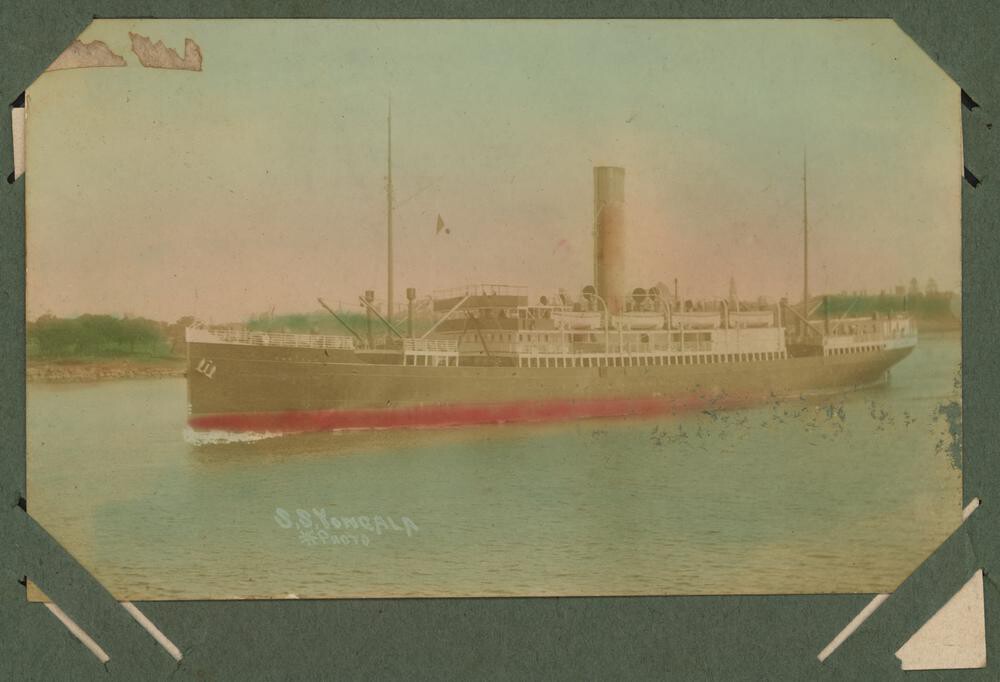
The last sighting of the ship was by the lighthouse keeper on Dent Island, who watched it pass at 6:30 PM. It seemed as if the earth had swallowed it whole. When the ship failed to arrive, the Queensland government organized a search mission with seven vessels. Debris from the cargo was found between Hinchinbrook Island and Bowen, but of the wreck itself, there was no trace.
The Wreck Is Found
For decades, the fate of the SS Yongala remained a mystery. It wasn't until 1958 that a wreck was discovered by divers, but it wasn't until 1971 that the ship was positively identified as the Yongala. The wreck lies in about 30 meters of water, approximately 48 kilometers east of Townsville, within the Great Barrier Reef Marine Park.
The Yongala is now protected under the Historic Shipwrecks Act, and diving is permitted, but with strict regulations to preserve the site. The ship has become a haven for marine life, with corals and sponges covering its structure, and schools of fish swirling around it.
A Thriving Artificial Reef
Over a century after its sinking, the SS Yongala has become one of the most iconic dive sites in the world. The wreck is encrusted with colorful corals and sponges, and it attracts an incredible diversity of marine species. Large groupers, giant trevally, manta rays, sea turtles, and even sharks are commonly seen by divers. Context on how this played out before sits in SS Yongala: The 1911 Shipwreck That Became a Thriving Reef. A companion piece, Catholic Monarchs' State Brothel Network in Granada, approaches the same subject from another angle.
The ship's structure provides a hard substrate for coral larvae to settle, creating a complex ecosystem. The Yongala is often cited as a prime example of how shipwrecks can enhance biodiversity, acting as artificial reefs that support marine life. The background to this story is set out in Trending: latest articles. A related thread runs through Lidl's 19.99-Euro Outdoor Extension Cord Solves Patio Outlet Woes.
Diving the Yongala: What to Expect
Diving the Yongala is an experience reserved for advanced divers due to strong currents and depths of up to 30 meters. The wreck is accessible by liveaboard or day trips from Townsville and Ayr. Visibility can vary, but on good days, it exceeds 20 meters. Earlier coverage in Rokid Glasses Review: The Best Walking Navigation on Green CRT Screens shows how the argument developed. A closer look at the same subject appears in Richard Feynman on Self-Deception: The First Principle of Integrity.
Divers can explore the exterior of the ship, as penetration diving is not allowed without special permission. The wreck is slowly deteriorating, but efforts are underway to monitor and preserve it. Anyone following the wider picture can start with Unusually Large Multi-State Storm Batters Eastern Australia. The same theme surfaces in Jensen Huang Says AGI Has Arrived With GPT-6 Astra, which takes a different angle.
Key Takeaways
- The SS Yongala sank in a cyclone on March 23, 1911, with 122 people on board; only a racehorse's body was ever recovered.
- The wreck was found in 1958 and identified in 1971, now lying in the Great Barrier Reef Marine Park.
- It has become a thriving artificial reef, attracting diverse marine life and divers.
- Diving is regulated to protect the site, and it is recommended for advanced divers.
Comparison of the Yongala's Condition
| Aspect | Details |
|---|---|
| Length | 109 meters |
| Depth | Approximately 30 meters |
| Location | 48 km east of Townsville, Queensland |
| Marine Life | Groupers, trevally, manta rays, turtles, sharks |
| Protection Status | Historic Shipwrecks Act; Great Barrier Reef Marine Park |
FAQ
What happened to the SS Yongala?
The SS Yongala sank in a cyclone on March 23, 1911, off the coast of Queensland, Australia. All 122 people on board perished, and the wreck was not found until 1958.
Why is the SS Yongala significant?
It is one of Australia's most famous shipwrecks and has become a thriving artificial reef, attracting divers and marine life. It also represents a poignant maritime tragedy.
Can you dive the SS Yongala?
Yes, diving is permitted, but it is regulated. The wreck is suitable for advanced divers due to depth and currents. Penetration diving is restricted.
What marine life can you see at the Yongala?
Divers can encounter groupers, giant trevally, manta rays, sea turtles, sharks, and a variety of corals and sponges.
Browse the Shop
 Acacia frida deluxe solid wood bed frame |
Bedroom bench |
Bed chest drawers |
Lingerie dresser |
Frame base |
Mirror with jewelry storage |
30 Bathroom Vanity |
Memory foam queen mattress |
Mattresses for back pain |
Nightstand set of 2 |
Grand Goldman Shop |
Civil Lawyer
Deutschland Trikot WM 2026







