

The Bar España hoax, a baseless conspiracy theory alleging a child abuse ring involving politicians, judges, and businessmen, has finally reached the courts. For nearly three decades, this gruesome story has circulated online, but a judicial investigation concluded it was completely false. Now, the trial focuses not on the nonexistent network but on the campaign that kept the lie alive.
The case highlights the real-world consequences of disinformation and the importance of holding spreaders accountable. If a conviction is reached, it could set a legal precedent for addressing other fictional constructions that smear individuals across the political spectrum.
Find Original, High-end Home Decor that spark conversation at Grand Goldman Shop.

What Is the Bar España Hoax?
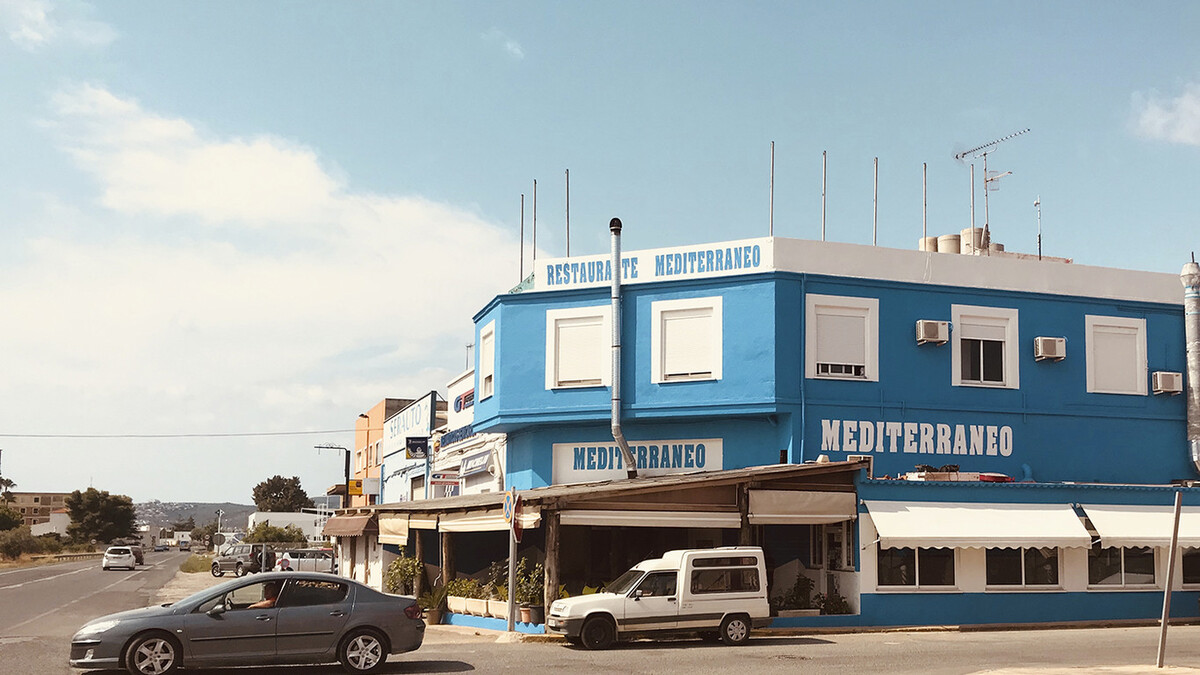
The Bar España hoax centers on a roadside bar in Benicarló, Spain, on the N-340 highway. According to the false narrative, a network of PP and PSOE politicians, judges, and entrepreneurs used the bar to rape and murder minors. This story has circulated on the internet for years, but it is entirely fabricated.
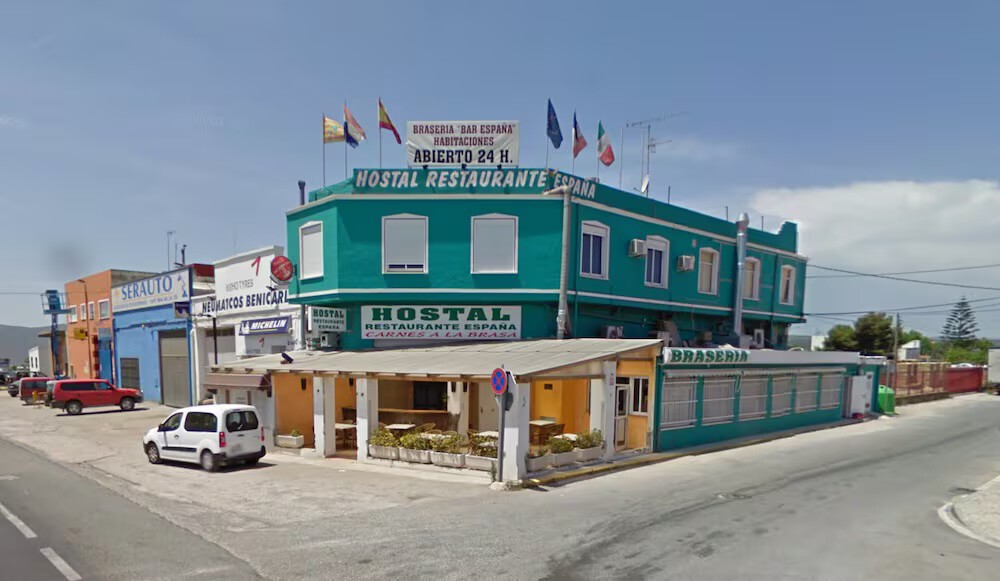
The judicial investigation found no evidence to support these claims. The bar, originally named 'España' and later renamed 'Mediterráneo,' is a real place, but the horrific crimes described are pure fiction. The hoax has been debunked, yet it persists in some online circles.
Origins: A Divorce and a Vengeful Campaign
The hoax began in 1997 with a bitter divorce. Reinaldo Colás, a hairdresser from Benicarló, accused his ex-wife's new partner of assaulting his two young daughters, aged three and five. A judge archived the case, and the prosecutor suggested the accusation was revenge against his ex-wife.
Colás then launched a campaign that evolved into the Bar España hoax. What started as a personal vendetta grew into a complex conspiracy theory involving high-profile figures. This transformation illustrates how personal grievances can escalate into widespread misinformation.
Why the Hoax Persisted for Decades
The Bar España hoax survived for nearly 30 years due to several factors. First, it tapped into existing distrust of authorities and political elites. Second, the internet allowed the story to spread rapidly and find new audiences. Third, the gruesome nature of the allegations made them sensational and memorable.
Despite multiple debunkings, the hoax continued to circulate. This persistence underscores the challenge of combating deeply entrenched misinformation, especially when it aligns with certain worldviews.
The Court Case: What Is Being Judged?
The current trial is not about the alleged crimes, which never happened. Instead, it focuses on the campaign that perpetuated the hoax. Those responsible for spreading the false allegations face legal consequences for defamation and possibly other charges.
This legal approach is significant because it targets the spreaders of disinformation rather than the fictional events. If successful, it could provide a framework for addressing similar hoaxes in the future.
Key Takeaways from the Bar España Hoax
- The Bar España hoax is a completely false conspiracy theory that accused politicians, judges, and businessmen of horrific crimes against minors.
- The hoax originated from a 1997 divorce case and evolved into a widespread disinformation campaign.
- Despite debunking, the story persisted for nearly three decades, fueled by sensationalism and online spread.
- The current trial focuses on the defamation campaign, not the nonexistent crimes.
- A conviction could set a precedent for holding disinformation spreaders accountable.
Impact on Public Trust and Misinformation
The Bar España hoax has eroded public trust in institutions and fueled polarization. By falsely implicating politicians and judges, it reinforced narratives of corruption and cover-ups. Such hoaxes can have real-world effects, including harassment of innocent individuals and undermining faith in the justice system.
This case also highlights the need for media literacy and critical thinking. In an era of rampant misinformation, verifying claims before sharing them is more important than ever. The background to this story is set out in Susan Collins Denies Corruption Allegations as Completely False. A related thread runs through Alan Jones trial: alleged victim distraught at luncheon.
Comparison of Hoax Elements and Facts
| Element | Hoax Claim | Reality |
|---|---|---|
| Location | Bar España in Benicarló | Real bar, but no crimes occurred |
| Perpetrators | PP and PSOE politicians, judges, businessmen | No evidence of any such network |
| Victims | Minors raped and murdered | No victims identified; allegations fabricated |
| Origin | Unclear, but claimed to be covered up | Started from a 1997 divorce dispute |
| Judicial Outcome | Cover-up by authorities | Investigation found no evidence; case archived |
What to Watch Next
The trial's outcome will be closely watched by those interested in combating misinformation. A conviction could lead to similar legal actions against other hoaxes, while an acquittal might embolden spreaders. Regardless, the case serves as a reminder of the harm caused by false allegations. Earlier coverage in How Misinformation Spreads in US Midterm Campaigns shows how the argument developed. A closer look at the same subject appears in Send School Abuse Allegations: Parents Speak.
As the legal process unfolds, it is crucial to rely on verified information and avoid spreading unsubstantiated claims. The Bar España hoax is a cautionary tale about the power of lies and the importance of truth. Anyone following the wider picture can start with UAW President Investigated: DOJ Corruption Allegations Explained. The same theme surfaces in Trending: latest articles, which takes a different angle.
FAQ
What is the Bar España hoax?
The Bar España hoax is a false conspiracy theory that alleged a network of politicians, judges, and businessmen raped and murdered minors at a bar in Benicarló, Spain. It has been thoroughly debunked.
Who started the Bar España hoax?
The hoax originated from Reinaldo Colás, a hairdresser who accused his ex-wife's new partner of assaulting his daughters. After the case was archived, he launched a campaign that evolved into the conspiracy theory.
Why is the hoax in court now?
The trial focuses on the defamation campaign that spread the false allegations, not on the nonexistent crimes. Those responsible for perpetuating the hoax face legal consequences.
What impact has the hoax had?
The hoax has eroded public trust, fueled polarization, and caused harm to innocent individuals. It underscores the dangers of misinformation and the need for media literacy.
Browse the Shop
 Acacia frida deluxe solid wood bed frame |
Bedroom bench |
Bed chest drawers |
Lingerie dresser |
Frame base |
Mirror with jewelry storage |
30 Bathroom Vanity |
Memory foam queen mattress |
Mattresses for back pain |
Nightstand set of 2 |
Grand Goldman Shop |
Civil Lawyer
Deutschland Trikot WM 2026
Acacia frida deluxe solid wood bed frame |
Bedroom bench |
Bed chest drawers |
Lingerie dresser |
Frame base |
Mirror with jewelry storage |
30 Bathroom Vanity |
Memory foam queen mattress |
Mattresses for back pain |
Nightstand set of 2 |
Grand Goldman Shop |
Civil Lawyer
Deutschland Trikot WM 2026










