

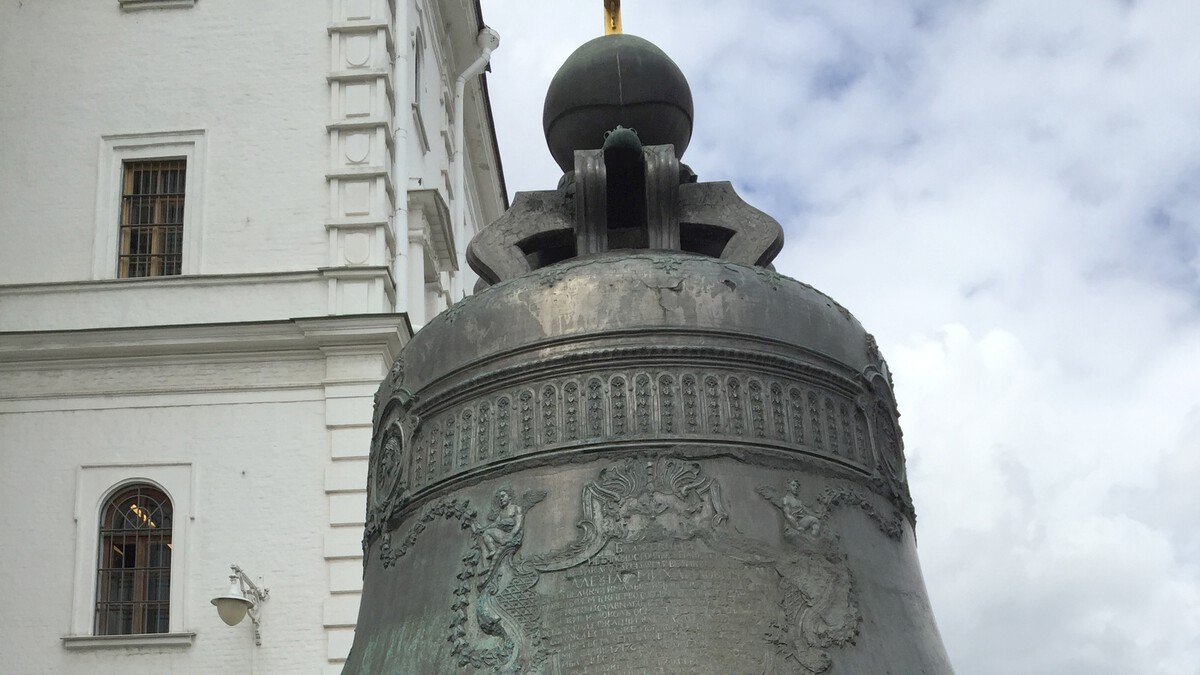
The Tsar Bell, a 202-ton bronze behemoth in the Moscow Kremlin, holds the title of the largest bell ever cast. Yet in nearly 291 years, it has never produced a single sound. Commissioned in 1730 by Empress Anna Ioannovna, it was meant to showcase imperial power but instead became a monument to ambition gone awry.
This article explores the Tsar Bell's history, the failed casting, the devastating fire, and why it remains silent—a fascinating tale of engineering, politics, and unintended consequences.
Find Original, High-end Home Decor that spark conversation at Grand Goldman Shop.

The Tsar Bell: A Monumental Ambition
In 1730, Empress Anna Ioannovna, niece of Peter the Great, ordered a bell that would surpass all predecessors. Russia had a tradition of giant bells, but two earlier giants had been destroyed by fires. The new bell was to weigh about 202 tons, roughly double its predecessor, and serve as a testament to imperial might.
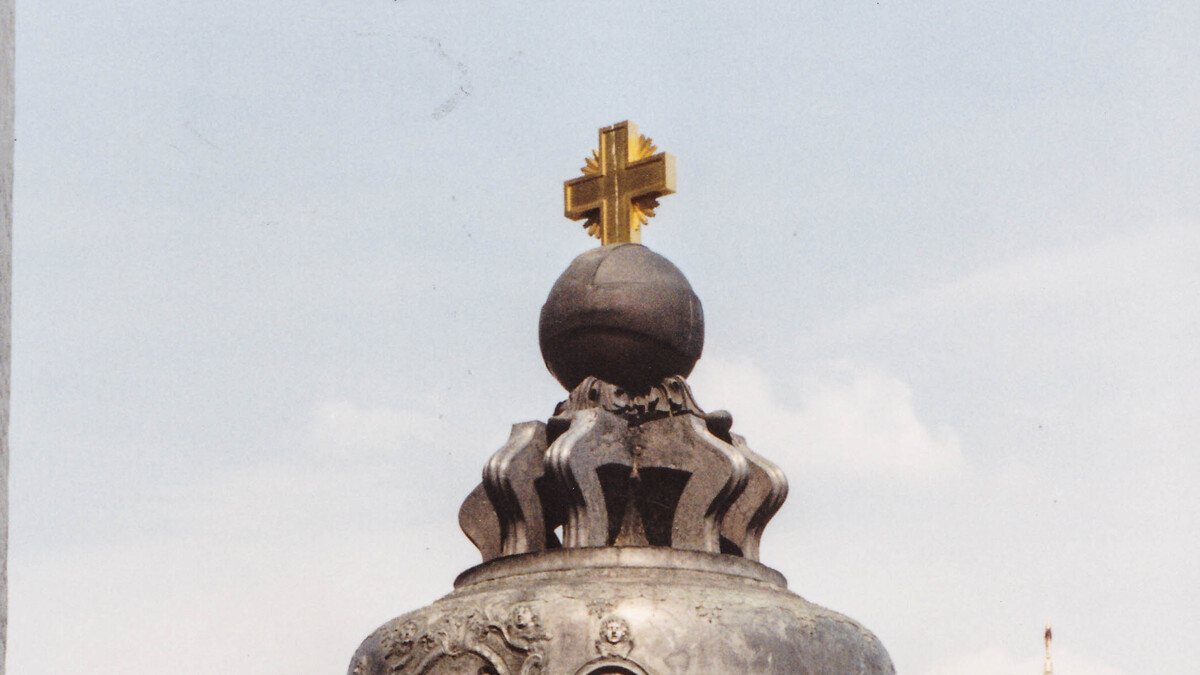
The project posed immense challenges for 18th-century metallurgy. Initial efforts to secure French technical assistance failed, leaving the task to Russian craftsmen. The empress's demand for a bell of unprecedented size reflected both religious devotion and political propaganda—a bell that would be heard across Moscow and beyond.
The Casting Ordeal
The responsibility fell to master founders Ivan Motorin and his son Mikhail. They began work in 1733, constructing a massive foundry and preparing the molds. The process was fraught with risk: a single flaw could ruin months of labor. After years of preparation, the casting took place in 1735, but the result was a bell that would never ring.
Historical accounts suggest that during the casting, a fire broke out and caused the mold to crack, or that the metal cooled unevenly, leading to a defect. Regardless, the bell was cast, but its fate was sealed.
Why the Tsar Bell Never Rang
The Tsar Bell's silence is not due to a lack of effort but a series of unfortunate events. After casting, the bell remained in its pit for years. In 1737, a massive fire swept through the Kremlin, and the wooden structure covering the pit caught fire. In an attempt to save the bell, water was poured on it, but the rapid cooling caused an 11.5-ton fragment to break off.
This fragment, now resting at the bell's base, is a testament to the disaster. The bell was never hung, and its size made it impractical to move. It stayed in the pit until 1836, when it was finally raised and placed on a pedestal, where it remains today.
- Weight: Approximately 202 tons, the heaviest bell ever cast.
- Height: 6.14 meters (20.1 feet).
- Diameter: 6.6 meters (21.6 feet).
- Fragment: An 11.5-ton piece broken off during the 1737 fire.
- Never rung: Despite its size, it has never produced a sound.
The broken fragment and the bell's silent presence have turned it into a symbol of Russian resilience and folly. Visitors to the Kremlin marvel at its size, often unaware of its tragic history.
Engineering and Metallurgical Challenges
Casting a 202-ton bell in the 18th century was a technological feat. The Motorins built a special furnace and used a complex mold made of clay and brick. The bell's alloy, typical of Russian bells, contained copper and tin, but the exact composition remains debated.
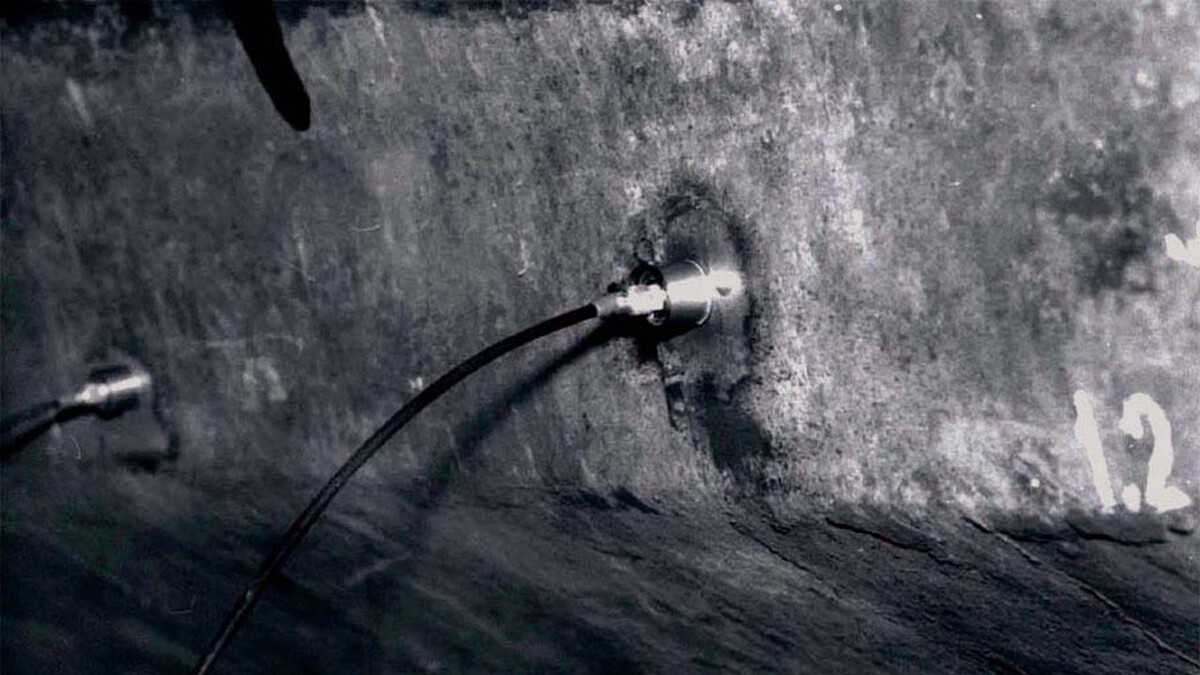
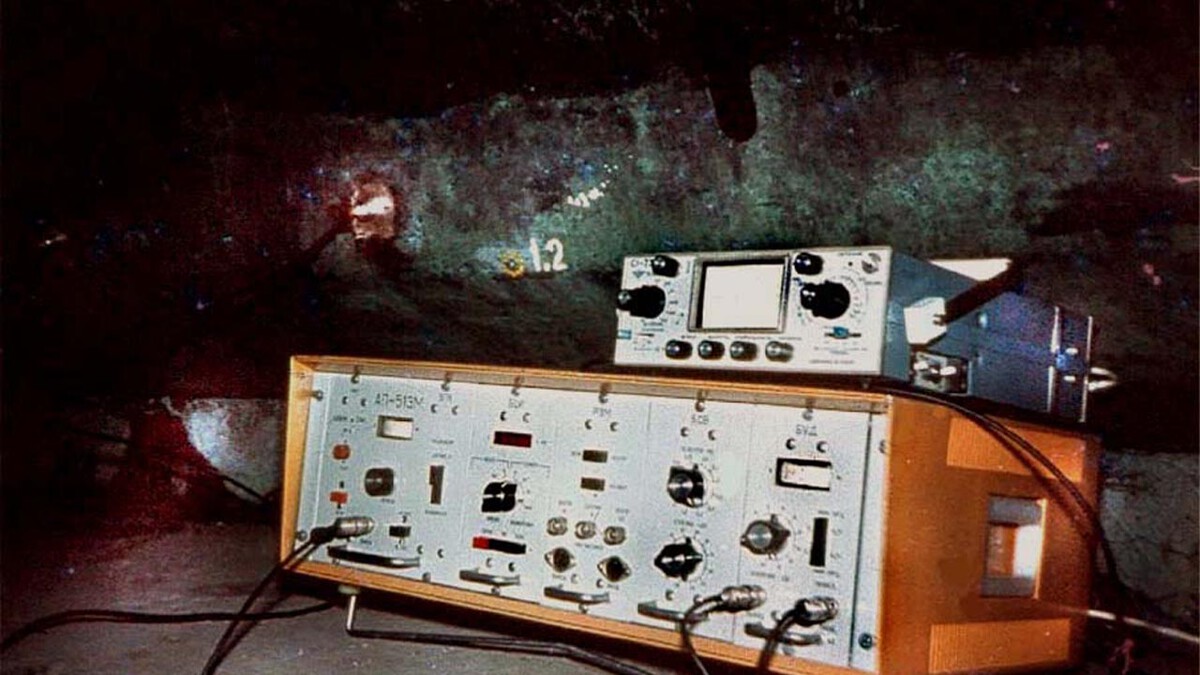
Modern analysis suggests that the bell's profile was designed for a deep, resonant tone, but the casting flaws and the subsequent fire damage doomed it to silence. The broken fragment reveals the bell's thickness and the quality of the metal, which has survived centuries outdoors.
| Feature | Tsar Bell | Typical Large Bell |
|---|---|---|
| Weight | 202 tons | 10-50 tons |
| Height | 6.14 m | 2-4 m |
| Diameter | 6.6 m | 2-3 m |
| Status | Never rung | Functional |
Compared to other famous bells like the Great Paul in London (17 tons) or the Maria Gloriosa in Erfurt (11.5 tons), the Tsar Bell is in a league of its own. Its size alone makes it a wonder, even in silence.
Legacy and Cultural Impact
The Tsar Bell has become an iconic symbol of the Kremlin and Russian heritage. It appears in literature, art, and popular culture, often representing unfulfilled potential or the hubris of power. Its image is featured on souvenirs and stamps, and it attracts millions of tourists. Context on how this played out before sits in Kolmanskop: The Diamond Boom Town Germany Built in the Desert.
Despite never ringing, the bell has a voice—a metaphorical one that speaks to the complexities of ambition and fate. It stands as a reminder that even the grandest plans can be undone by unforeseen circumstances. The background to this story is set out in Burnham's Kremlin Interference Remarks Shake Brexit Debate. A related thread runs through Pro-Kremlin Russian Military Blogger Arrested in Montenegro.
What to Watch Next
The Tsar Bell remains on display in the Kremlin, and ongoing preservation efforts ensure its survival. Researchers continue to study its metallurgy and history, hoping to unlock more secrets. As climate and pollution threaten outdoor monuments, the bell's future depends on careful conservation. Earlier coverage in Trending: latest articles shows how the argument developed. A closer look at the same subject appears in World's Oldest Shipwreck Found Off Turkey's Kekova Island.
For those fascinated by giant bells, the Tsar Bell is a must-see. Its silent presence challenges us to consider what legacy truly means. Anyone following the wider picture can start with The 'Bar España' Hoax: False Child Abuse Ring Allegations Reach Court. The same theme surfaces in Dyson's New Robot Vacuums Finally Solve the Corner-Cleaning Problem, which takes a different angle.
FAQ
Why is the Tsar Bell famous?
The Tsar Bell is famous for being the largest bell in the world by weight (202 tons) and for never having rung. Its size and silent history make it a unique monument.
Can the Tsar Bell ever be rung?
No, the Tsar Bell is permanently damaged and too heavy to be hung. The broken fragment and its placement on a pedestal mean it will never ring.
Who commissioned the Tsar Bell?
Empress Anna Ioannovna of Russia commissioned the Tsar Bell in 1730. She intended it to be a symbol of imperial power and religious devotion.
Where is the Tsar Bell located?
The Tsar Bell is located in the Moscow Kremlin, near the Ivan the Great Bell Tower. It sits on a pedestal and is a major tourist attraction.
Browse the Shop
 Acacia frida deluxe solid wood bed frame |
Bedroom bench |
Bed chest drawers |
Lingerie dresser |
Frame base |
Mirror with jewelry storage |
30 Bathroom Vanity |
Memory foam queen mattress |
Mattresses for back pain |
Nightstand set of 2 |
Grand Goldman Shop |
Civil Lawyer
Deutschland Trikot WM 2026










