

Trasmoz, a small village in the Moncayo region of Spain, holds the unique distinction of being the only town in the country excommunicated by the Catholic Church. With fewer than a hundred residents, this village has turned its curse into a celebrated festival, the Luz de las Ánimas, drawing visitors from far and wide.
The story begins in 1255 when a dispute over firewood and water rights led to the excommunication of the entire village. Today, instead of hiding from this dark history, Trasmoz embraces it, hosting an annual event that celebrates its rebellious past.
Find Original Home Decor sparking conversation at Grand Goldman Shop.

The Historical Roots of the Excommunication
The conflict started in 1255 when the abbot of the Veruela monastery argued with the town council over the firewood from Monte de la Mata. Additionally, the lordship of Trasmoz refused to pay tributes to the monastery. In response, the abbot convinced the bishop of Tarazona to excommunicate the village.
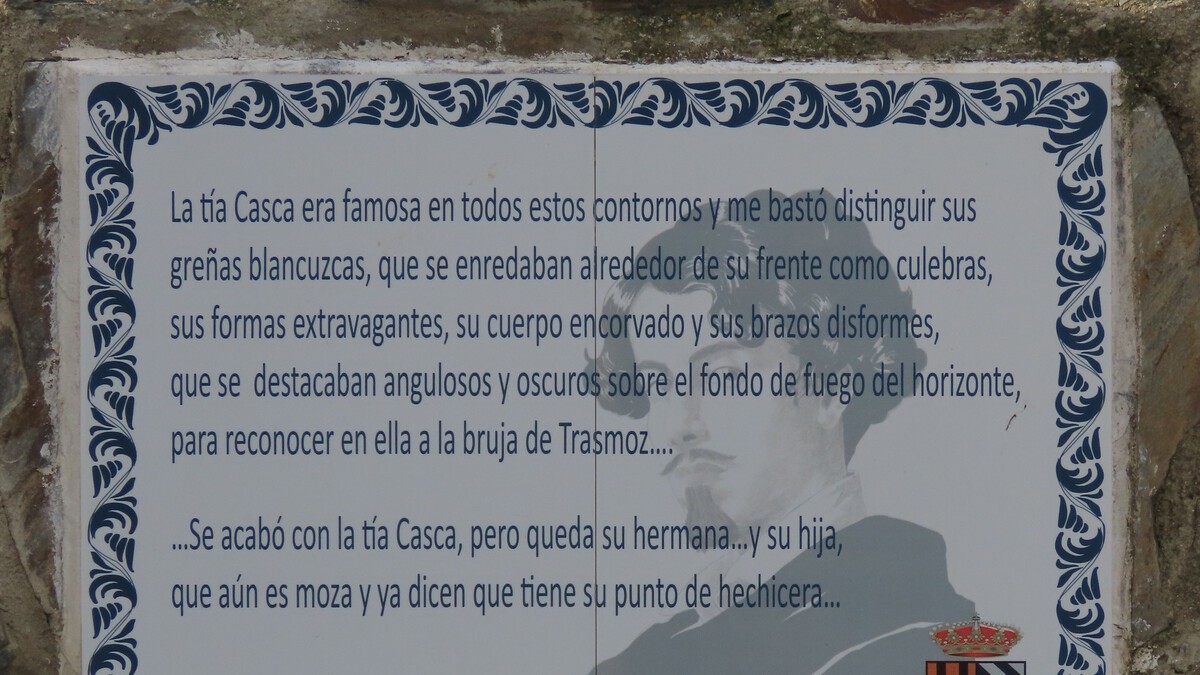
Two and a half centuries later, a new dispute arose over water. The monks diverted the channel that supplied the town, prompting its lord, Pedro Manuel Ximénez de Urrea, to appeal to the Cortes of Aragon. King Ferdinand II ruled in his favor, but the abbot retaliated with a solemn curse, authorized by Pope Julius II.
According to tradition, the abbot covered the crucifix with a black veil, recited Psalm 108, and rang the bell after each phrase. This curse, known as the "curse of the hundred bells," was never lifted by any pope, and only another pope could annul it. Thus, Trasmoz remains technically excommunicated to this day.
Celebrating the Curse: The Luz de las Ánimas Festival
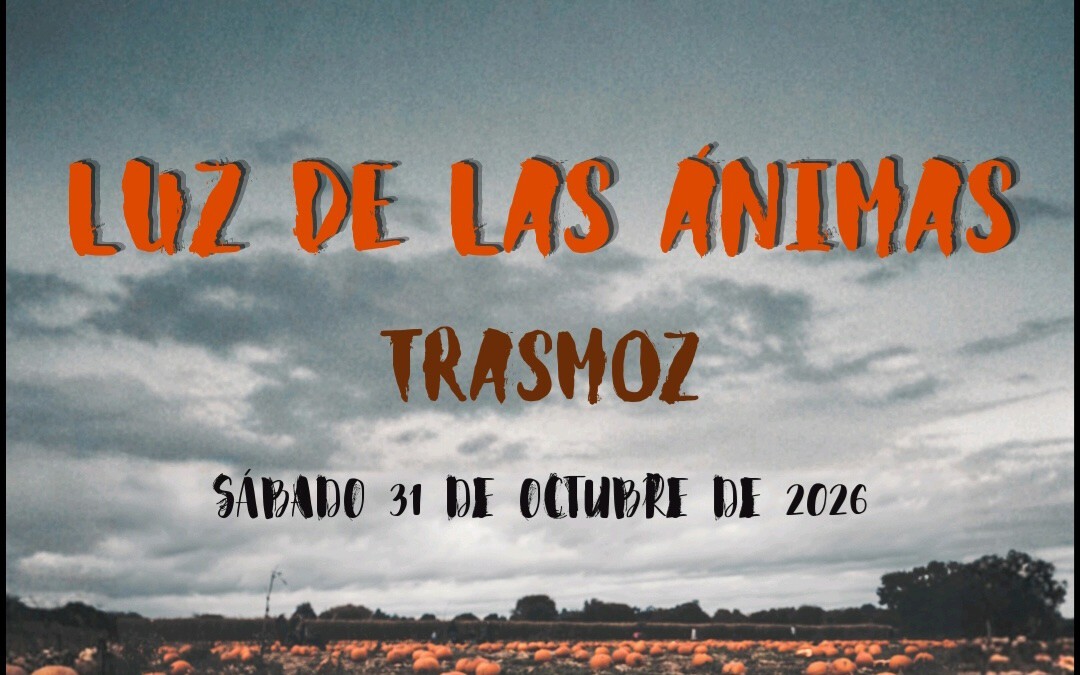
Every year, the Cultural Association El Embrujo de Trasmoz organizes the Luz de las Ánimas, a day-long festival that starts at 10:30 AM and continues past midnight. The event celebrates the village's unique status with a mix of history, mystery, and entertainment.
Visitors can enjoy guided tours that recount the story of the excommunication, theatrical performances, and a spooky atmosphere that plays on the village's cursed reputation. For just four euros, outsiders can get a taste of the supernatural—complete with a scare included.
The festival has become a major draw for the region, attracting tourists interested in the macabre and the historical. It's a chance for the village to showcase its heritage and boost the local economy.
What to Expect at the Festival
- Guided tours that delve into the history of the excommunication and the village's legends.
- Theatrical reenactments of the curse, including the veiled crucifix and bell-ringing.
- Nighttime activities that embrace the eerie atmosphere, such as ghost stories and candlelit processions.
- Local food and crafts that highlight the culture of the Moncayo region.
- Interactive experiences for visitors to learn about medieval history and the power of the Church.
The Impact on the Village and Tourism
The festival has put Trasmoz on the map, drawing visitors who are curious about its dark past. This influx of tourism has helped sustain the small community, providing income and promoting local traditions.
However, the village also faces challenges, such as balancing preservation with commercialization. The association strives to maintain authenticity while offering an engaging experience for tourists.
Comparing Trasmoz to Other Cursed Destinations
Trasmoz is not the only place with a curse, but its official excommunication makes it unique. Here's how it compares to other famous cursed locations: The longer history behind the story is traced in Trasmoz: Spain's Only Excommunicated Village Celebrates Its Curse.
| Location | Curse Type | Year | Status |
|---|---|---|---|
| Trasmoz, Spain | Excommunication | 1255 & 1511 | Still in effect |
| Salem, USA | Witch trials | 1692 | Historical, no official curse |
| Poveglia, Italy | Haunted island | Unknown | Legend, not official |
| Bhangarh, India | Haunted ruins | Unknown | Legend, not official |
Trasmoz stands out because its curse is not just legend; it was an official religious condemnation that has never been revoked. The background to this story is set out in Vatican Upholds Excommunication of Louisiana Deacon in Abuse Case. A related thread runs through Pan-African Film Festival Celebrates History and Revolution. Earlier coverage in Italy Spain Border Controls Escalate EU Travel Feud shows how the argument developed.
The Future of Trasmoz's Curse
Will the curse ever be lifted? It would require a papal decree, and so far, no pope has shown interest in revisiting this medieval dispute. The village seems content with its unique status, as it continues to draw visitors intrigued by its story. A closer look at the same subject appears in Simon Callow Film Celebrates Radical William Beveridge. Anyone following the wider picture can start with Ô Cameroon! Book Celebrates a Century of Cameroonian Art. The same theme surfaces in Trending: latest articles, which takes a different angle.
As long as the curse remains, Trasmoz will likely keep celebrating it, turning a historical grievance into a cultural asset. Context on how this played out before sits in Cycling the Tajo-Segura Aqueduct: Fines and Safety Rules. A companion piece, Granada Earthquakes: 400 Tremors and Families Camping in Parks, approaches the same subject from another angle.
FAQ
What is the Luz de las Ánimas festival?
The Luz de las Ánimas is an annual festival in Trasmoz that celebrates the village's excommunication with guided tours, theatrical performances, and other activities. It typically starts at 10:30 AM and lasts until after midnight.
Why was Trasmoz excommunicated?
Trasmoz was excommunicated in 1255 due to a dispute over firewood and tributes with the Veruela monastery. In 1511, a second curse was issued after a conflict over water rights, authorized by Pope Julius II.
Can the excommunication be lifted?
Only a pope can lift the excommunication, but no pope has done so since the curses were issued. The village has not actively sought to have it lifted and instead celebrates its unique status.
How can I visit Trasmoz?
Trasmoz is located in the province of Zaragoza, in the Moncayo region. It is accessible by car, and the festival is the most popular time to visit. Check the festival schedule and plan your trip accordingly.
Browse the Shop
 Acacia frida deluxe solid wood bed frame |
Bedroom bench |
Bed chest drawers |
Lingerie dresser |
Frame base |
Mirror with jewelry storage |
30 Bathroom Vanity |
Memory foam queen mattress |
Mattresses for back pain |
Nightstand set of 2 |
Grand Goldman Shop |
Civil Lawyer
Deutschland Trikot WM 2026







