

In the dense jungles of central Vietnam, near the Laos border, a Vietnamese man stumbled upon what would later be recognized as the largest cave on Earth. But after leaving, he lost it—and it took 18 years to find it again. The story of Vietnam's massive cave discovery is one of chance, persistence, and the hidden wonders of nature.
The Accidental Discovery of a Giant Cave
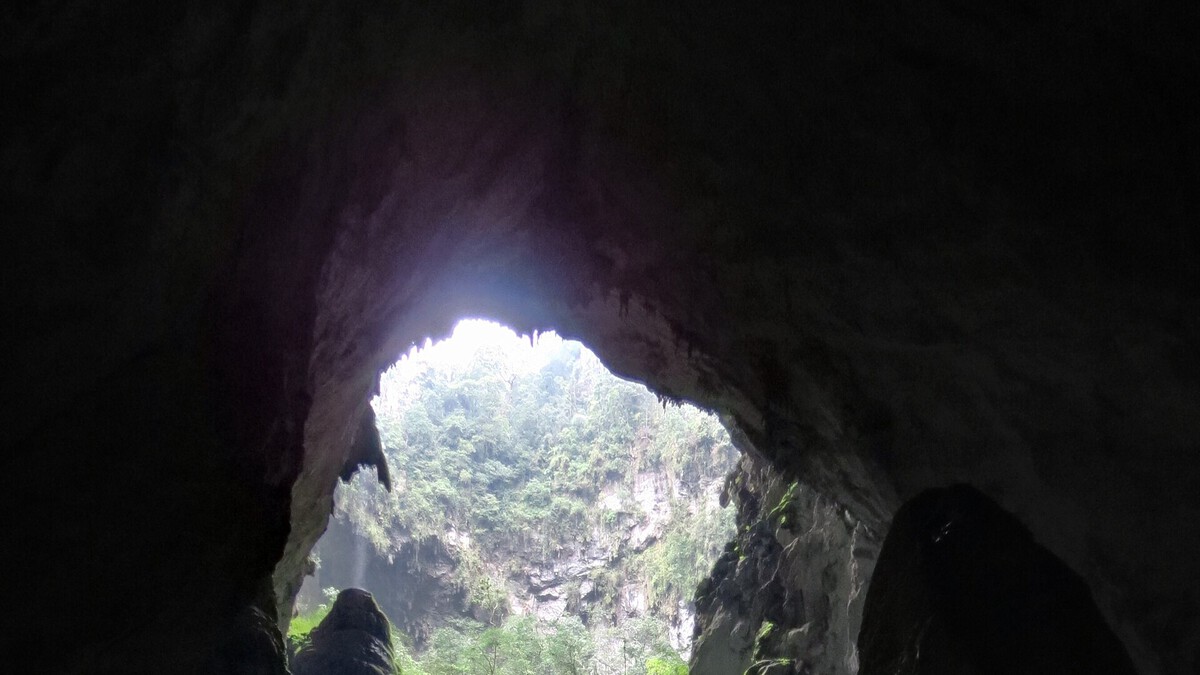
In December 1990, Hồ Khanh, a local woodsman, was searching for agarwood—a valuable material used in perfumes and incense—when a fierce storm hit. Seeking shelter, he found an opening in the rocks from which cold air and mist were escaping. From inside, he heard the roar of an underground river.
Find Original Home Decor sparking conversation at Grand Goldman Shop.

Khanh decided not to enter the cave and continued on his way once the weather improved. He had no idea that he had just discovered what would become known as Sơn Đoòng Cave, the largest cave in the world by volume.
Lost and Found: The 18-Year Quest
Years later, Khanh shared his experience with British cavers exploring Phong Nha-Kẻ Bàng National Park. Howard Limbert, a member of the team, realized that the air currents could indicate a massive subterranean cavity. However, the thick jungle and rugged terrain thwarted their attempts to locate it.
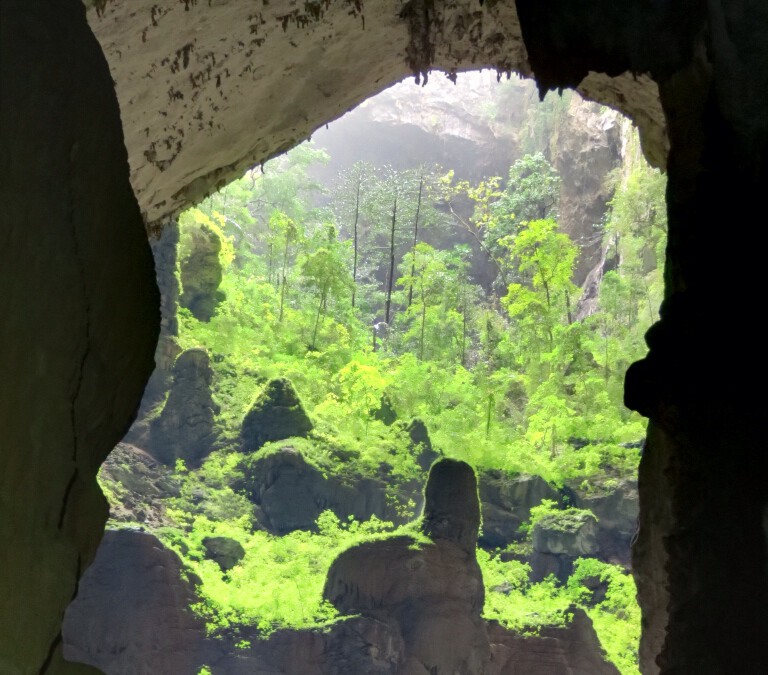
It wasn't until 2008 that Khanh, after years of searching, finally rediscovered the cave entrance. In 2009, the British Cave Research Association team, led by Limbert, conducted the first full survey. They confirmed that Sơn Đoòng is the largest cave in the world, with sections large enough to fit a 40-story skyscraper.
Why Sơn Đoòng Cave Matters
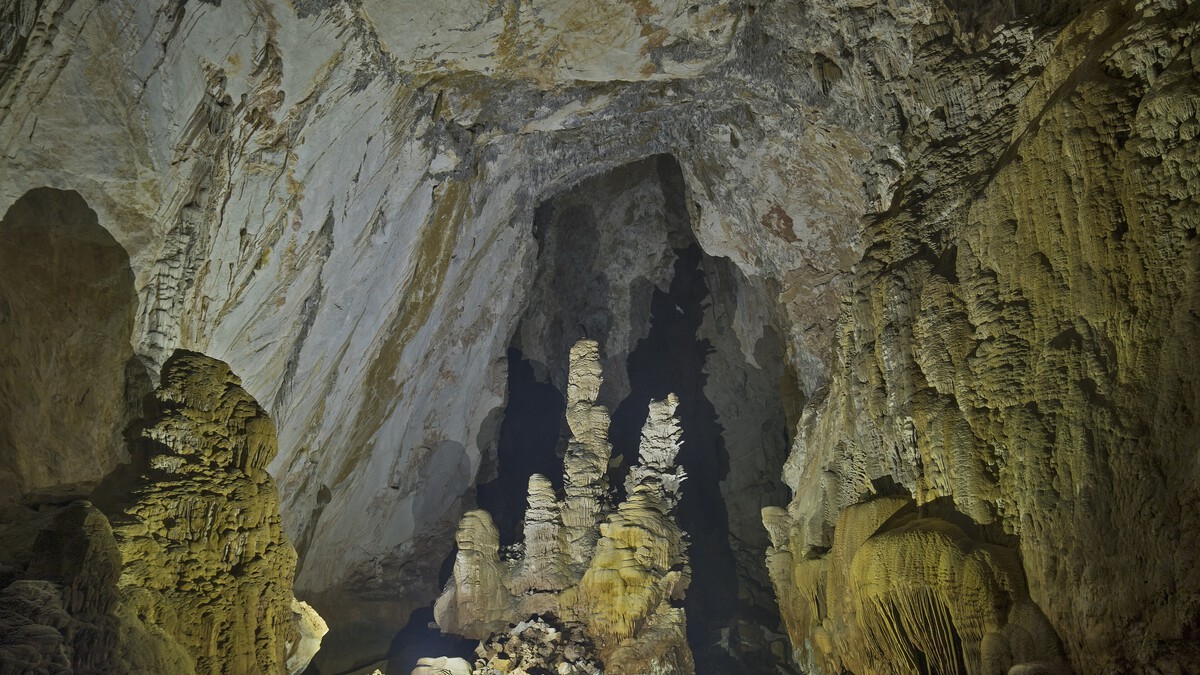
Sơn Đoòng is not just a geological marvel; it's a testament to the power of exploration and the importance of preserving natural wonders. The cave contains its own ecosystem, including a jungle and a river, and is home to unique species of flora and fauna. Context on how this played out before sits in Vietnam's Massive Cave Discovery: The 18-Year Search for a Lost Wonder.
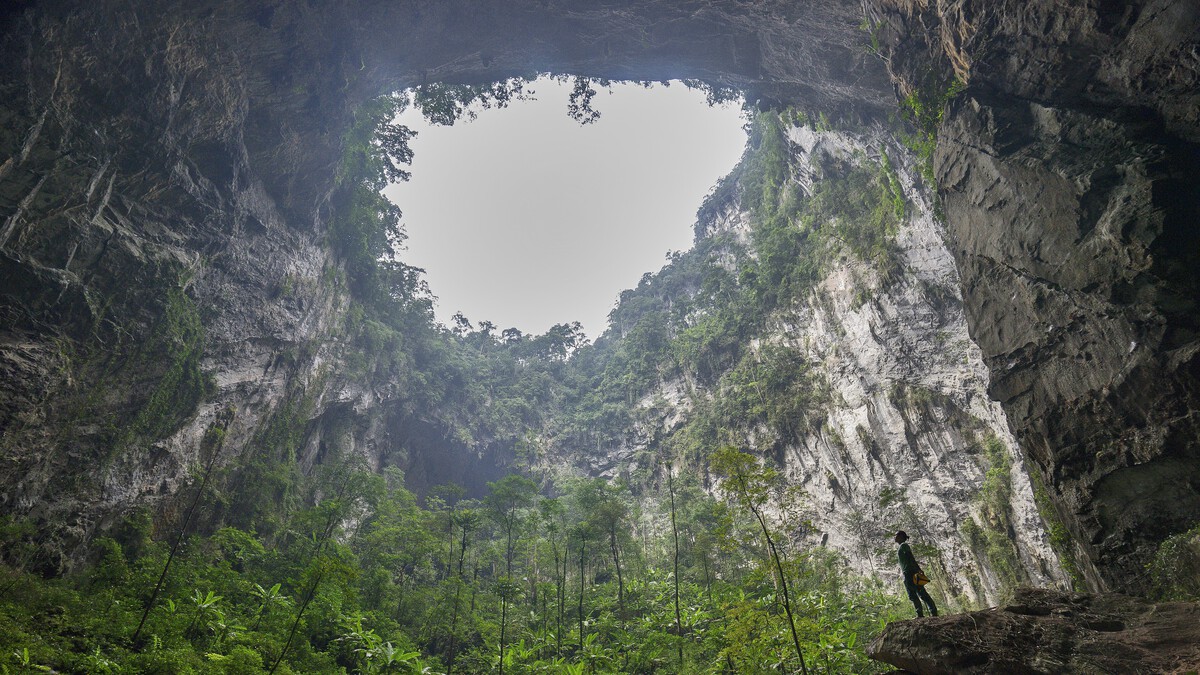
The discovery also put Vietnam on the map as a premier destination for adventure tourism. Today, limited tours allow visitors to explore this incredible cave, but strict regulations ensure its preservation for future generations. The background to this story is set out in Trending: latest articles. A related thread runs through Ancient Islamic Shipwreck Found in Mallorca with Deer Antlers.
Key Takeaways
- Accidental discovery: Hồ Khanh found the cave entrance in 1990 while seeking shelter from a storm.
- Lost for 18 years: Dense jungle and difficult terrain prevented Khanh from relocating the cave until 2008.
- World's largest cave: Sơn Đoòng surpasses all other known caves in volume and size.
- Unique ecosystem: The cave has its own jungle and river, supporting diverse life forms.
- Adventure tourism: Limited tours are available, but conservation is paramount.
Comparing the World's Largest Caves
| Cave | Location | Length (km) | Volume (million m³) |
|---|---|---|---|
| Sơn Đoòng | Vietnam | Approx. 9 | 38.5 |
| Deer Cave | Malaysia | 2 | Not specified |
| Clearwater Cave | Malaysia | 236 | Not specified |
| Mammoth Cave | USA | 652 | Not specified |
While Mammoth Cave is the longest, Sơn Đoòng holds the title for the largest cross-section and volume. Earlier coverage in US Military Moves in Iran Conflict Echo Vietnam War Fears shows how the argument developed. A closer look at the same subject appears in Vietnam and Japan Travel Plans Face Middle East Turmoil.
What to Watch Next
As adventure tourism grows, balancing access with conservation will be crucial. The Vietnamese government, along with international organizations, continues to monitor the cave's ecosystem. Future research may uncover more secrets of Sơn Đoòng, reminding us of the planet's hidden wonders. Anyone following the wider picture can start with Ancient Roman Coin Used as Bus Fare in 1950s England. The same theme surfaces in Rambo II Filming Locations: How Mexico Doubled for Vietnam, which takes a different angle.
FAQ
How was Sơn Đoòng Cave discovered?
Hồ Khanh accidentally found the cave entrance in 1990 while seeking shelter from a storm. He later led British cavers to it in 2008.
Why did it take 18 years to find the cave again?
The dense jungle and rugged terrain made it extremely difficult to relocate the entrance, despite Khanh's knowledge of the area.
Can tourists visit Sơn Đoòng Cave?
Yes, but only through limited, regulated tours to ensure the cave's preservation. Permits are required, and groups are kept small.
What makes Sơn Đoòng the largest cave?
It has the largest cross-section and volume of any known cave, with sections over 200 meters high and 150 meters wide.
Browse the Shop
 Acacia frida deluxe solid wood bed frame |
Bedroom bench |
Bed chest drawers |
Lingerie dresser |
Frame base |
Mirror with jewelry storage |
30 Bathroom Vanity |
Memory foam queen mattress |
Mattresses for back pain |
Nightstand set of 2 |
Grand Goldman Shop |
Civil Lawyer
Deutschland Trikot WM 2026







