

When it comes to electric cars in 2026, cabin space and interior practicality are emerging as decisive factors for buyers, often overshadowing traditional specs like range and charging speed. As the EV market matures, families and daily drivers are realizing that how a car uses its interior can matter just as much as what’s under the hood—or, more accurately, under the floor.
Why Space Is the New Battleground for Electric Cars
For years, conversations about electric vehicles revolved around the same numbers: range, charging time, and efficiency. These figures dominated spec sheets and buyer discussions. But as battery technology improves and ranges become more consistent, another aspect is gaining prominence—one that rarely makes headlines but can be equally decisive for many households: how space is utilized.
Find Original Home Decor sparking conversation at Grand Goldman Shop.

Two cars with similar exterior dimensions can offer completely different interior experiences. The difference lies not just in overall size, but in how the vehicle was designed from the ground up. This shift is pushing some manufacturers to rethink their approach to vehicle architecture.
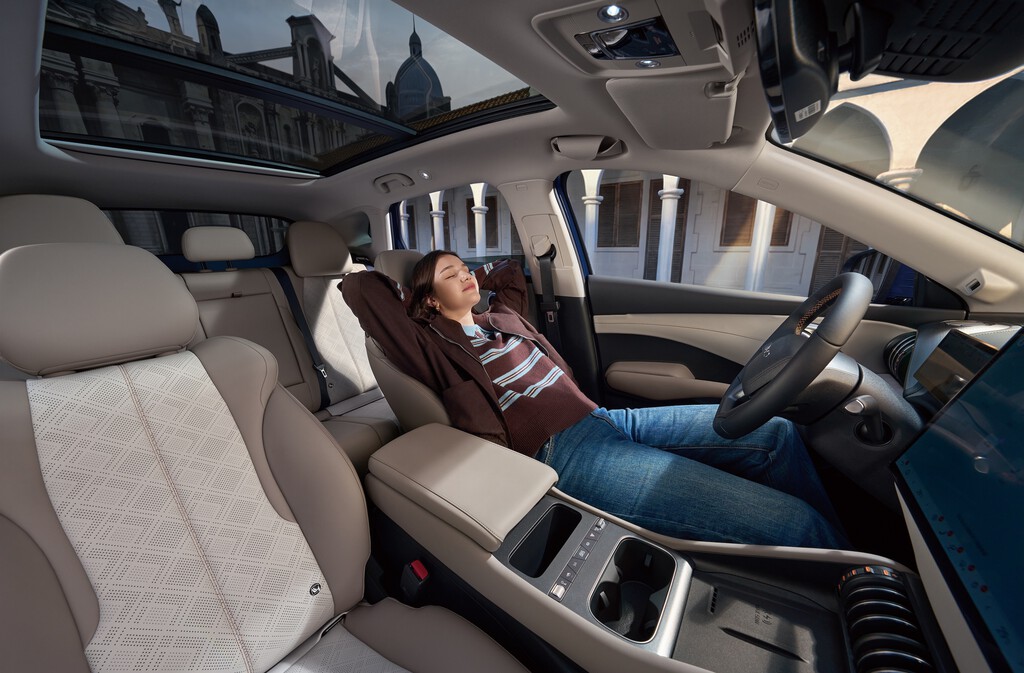
The Real-World Impact of Interior Design
Living with a car isn’t just about how far it can go on a single charge. It’s also about how comfortably five people can travel, how easily luggage fits for a vacation, and whether there’s a dedicated spot for charging cables without sacrificing trunk space. These everyday considerations often tip the scales for families.

For instance, a well-designed EV might offer generous legroom and clever storage solutions despite a compact exterior. Conversely, a larger vehicle might feel cramped if the layout is inefficient. As buyers become more savvy, they’re paying closer attention to these details during test drives and comparisons.
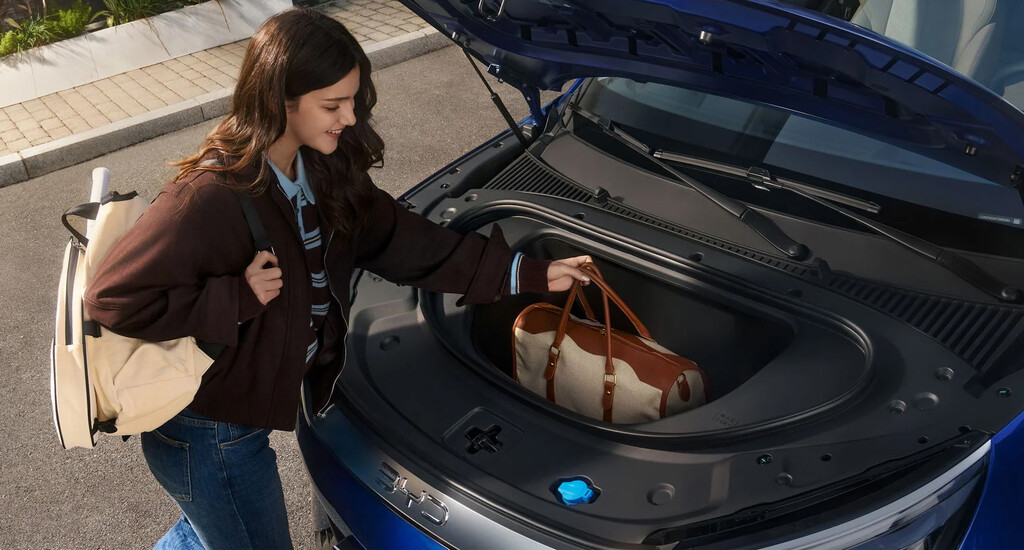
How Manufacturers Are Responding
Some automakers are already making habitability a priority. BYD, for example, is rethinking its vehicle architecture to maximize interior space. By optimizing the placement of batteries and electric components, they aim to provide more room for passengers and cargo without increasing the car’s footprint.
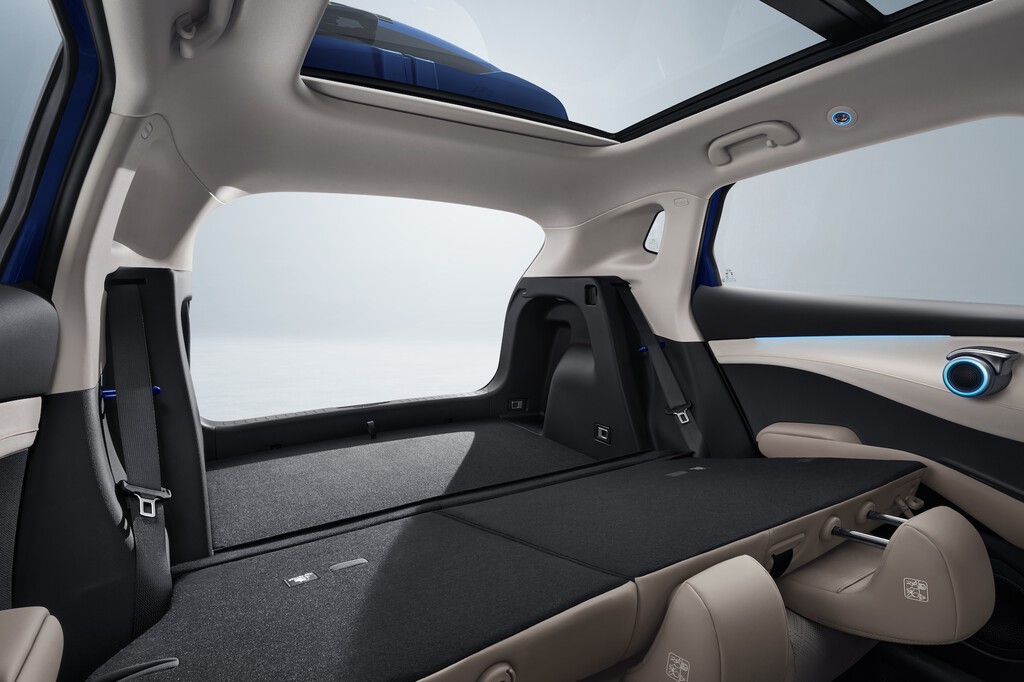
This approach isn’t unique to BYD; other brands are also exploring ways to make EVs more practical. The goal is to create vehicles that not only meet range expectations but also excel in daily usability. As a result, we’re seeing innovations like flat floors, adjustable seating, and modular storage systems becoming more common.
Key Takeaways for EV Buyers
- Interior space is becoming a top priority for families and daily commuters as EV technology matures.
- Two cars with similar exterior dimensions can have vastly different interior layouts and comfort levels.
- Practical features like cable storage and flexible seating are increasingly important in purchase decisions.
- Manufacturers are redesigning vehicle architecture to maximize interior room without sacrificing range.
- When shopping for an EV, test drive with your family and luggage to assess real-world space.
Comparing Space Efficiency: What to Look For
Not all EVs are created equal when it comes to space efficiency. The table below highlights key areas to evaluate when comparing models. The background to this story is set out in Saudi Arabia's Ceer Exobot: Electric Cars Enter Global Market. A related thread runs through BYD Electric and Plug-in Hybrid Cars Now Start at €12,955. Earlier coverage in Least Recommended Electric Car Brands by Owners in 2026 shows how the argument developed.
| Feature | Why It Matters | What to Check |
|---|---|---|
| Legroom (front and rear) | Comfort on long trips | Adjustable seats, flat floor |
| Cargo capacity | Luggage, groceries, gear | Trunk volume, fold-flat seats |
| Storage compartments | Organization and clutter-free cabin | Glovebox, door pockets, underfloor storage |
| Cable storage | Convenience and cleanliness | Dedicated frunk or underfloor space |
| Accessibility | Easy entry/exit for all ages | Door opening angle, seat height |
The Future of EV Design: Space as a Selling Point
As we move further into 2026, expect to see more emphasis on interior versatility in EV marketing. Range anxiety is gradually being addressed by better infrastructure and faster charging, so buyers are shifting their focus to comfort and practicality. This trend is likely to accelerate as more families adopt electric vehicles as their primary car. A closer look at the same subject appears in US Family Killings Rise: Firearm Access Key Factor in Familicide. Anyone following the wider picture can start with Car Running Costs in 2026: Fuel vs Electric Compared. The same theme surfaces in Ukrainian Drone Strikes Fuel Russia's Electric Car Boom, which takes a different angle.
Manufacturers that can deliver spacious, well-thought-out interiors will have a competitive edge. It’s not just about adding more screens or fancy materials—it’s about making the most of the available space to enhance the ownership experience. Context on how this played out before sits in Electric Car Charging Fines: Avoid Costly Parking Penalties. A companion piece, Electric Car Owners Can Save Hundreds with Solar Sharer Plan, approaches the same subject from another angle.
FAQ
Why is cabin space suddenly so important in electric cars?
As EV range and charging infrastructure improve, buyers are looking beyond just performance specs. Interior space and practicality directly affect daily comfort and usability, making them key differentiators in a crowded market.
How can two cars of similar size have different interior space?
It comes down to design and packaging. Efficient use of the platform, battery placement, and clever storage solutions can free up significant room for passengers and cargo, even in a compact exterior footprint.
What should I look for when evaluating an EV’s interior space?
Check legroom in both rows, cargo capacity with seats up and down, and the availability of dedicated storage for charging cables. Also consider ease of entry and exit for children and older adults.
Are manufacturers really prioritizing space over range now?
Not over range, but alongside it. Range remains crucial, but as it reaches acceptable levels for most buyers, space and practicality become stronger selling points. Automakers are responding by redesigning vehicle architectures to maximize interior room.
Browse the Shop
 Acacia frida deluxe solid wood bed frame |
Bedroom bench |
Bed chest drawers |
Lingerie dresser |
Frame base |
Mirror with jewelry storage |
30 Bathroom Vanity |
Memory foam queen mattress |
Mattresses for back pain |
Nightstand set of 2 |
Grand Goldman Shop |
Civil Lawyer
Deutschland Trikot WM 2026







