

Devam eden 2026 Orta Doğu Savaşı içinde şimdiye kadar kaydedilen en ciddi tırmanışlardan birinde, İran kendi gaz tesislerine yönelik büyük saldırıların ardından Körfez Arap devletlerindeki enerji altyapılarını hedef alabileceğini bildirdi ve bu, bölgesel ve küresel enerji arzlarında daha geniş kesinti riskini işaret ediyor.
ABD ile İsrail’in İran içindeki askeri operasyonlarıyla yönlendirilen çatışma şimdi Fars Körfezi’nin petrol ve gaz kalbine sıçradı, tahliye uyarıları ve yeni jeopolitik gerilimler tetikledi.
Find Bleeding Edge Supplements at Scandalous Prices on iHerb.

Son Gerginliğin Özeti
-
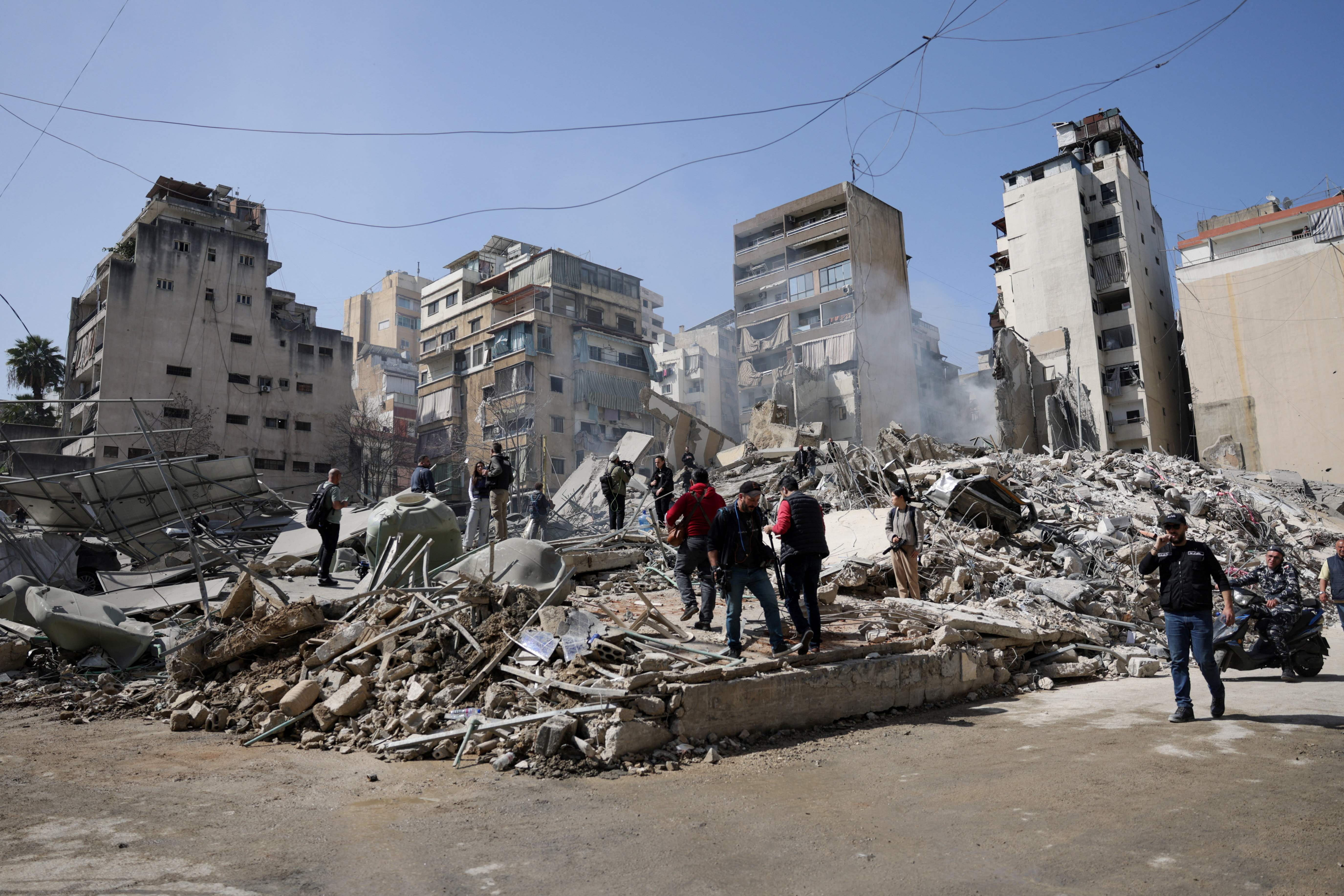
İran’ın South Pars gaz yatağı ve Asaluyeh petrol tesisleri 18 Mart 2026’de İsrail’in hava operasyonlarıyla vuruldu, Teheran’ın enerji sektörüne yönelik önemli bir darbe olarak değerlendiriliyor.
-
Tahran, Suudi Arabistan, Birleşik Arap Emirlikleri (BAE) ve Katar’daki enerji tesislerinin misilleme olarak hedef haline gelebileceğine dair uyarılar yayımladı ve bu tesislerin çevresindeki sivillerden tahliye olmaları çağrısında bulundu.
-
Saldırılar ve uyarılar, petrol fiyatlarının hızla yükselmesine yol açtı; Brent ham petrolü varil başına yaklaşık 110 dolar civarında üç haneli seviyelere yaklaşırken.
-
Bölgesel hükümetler yükselişi kınadı ve küresel enerji güvenliği üzerindeki daha geniş etkiler konusunda endişeler büyüyor.
South Pars'ta Ne Oldu?
Saldırı
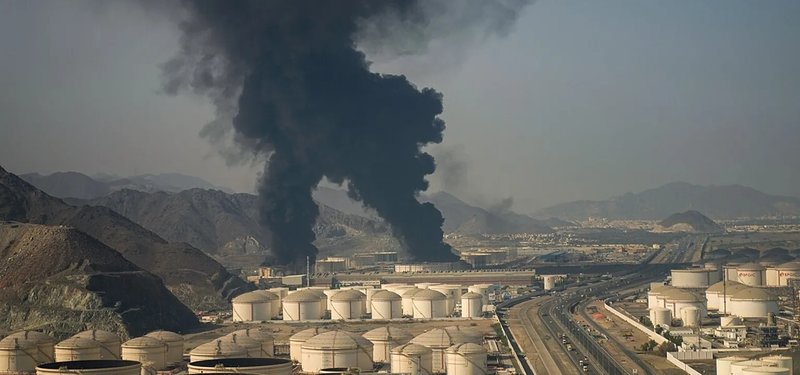
South Pars gaz yatağı — dünyanın İran ile Katar arasında paylaşılan en büyük doğal gaz rezervuarı (North Field olarak bilinir) — 18 Mart'ta saldırıya uğradı. Saldırı, Asaluyeh yakınlarındaki tesislerde yangınlara yol açtı ve İran’ın en önemli enerji varlıklarından birinin üretimini kesintiye uğrattı.
Ana etkiler şunları içerir:
-
Önemli gaz ve petrol işleme tesislerinde üretimin durdurulması.
-
İran, bozulma sırasında iç talebi önceliklendirmek amacıyla Irak’a gaz ihracatını durdurdu.
-
Küresel piyasalarda doğal gaz ve ham petrol fiyatları, artan riskleri fiyatlayınca yükseldi.
South Pars Neden Önemlidir
South Pars İran ekonomisi için hayati öneme sahiptir:
-
Bu, İran’ın doğal gazının yaklaşık %80’i ısıtma, elektrik ve sanayi için kullanılır.
-
Katar ile paylaşılan doğası, küresel sıvılaştırılmış doğal gaz (LNG) arzlarının güvenliğini çatışmaya bağlı kılar.
Bu saldırının yol açtığı kesinti önemli, çünkü sadece iç etkileriyle sınırlı kalmayıp, küresel piyasalara bağlı enerji akışlarını tehdit ediyor ve daha fazla tırmanma korkusunu artırıyor.
Tahran'ın Misilleme Uyarıları
Tahliye Emirleri
İran'ın Devrim Muhafızları Ordusu (IRGC), komşu devletlerdeki ana Körfez enerji tesisleri çevresinde siviller için tahliye uyarıları yayımlayarak olağanüstü bir adım attı; bunlar arasında:
-
Suudi Arabistan’ın Samref rafinerisi ve Jubail petrokimya kompleksi
-
BAE’nin Al Hosn gaz sahası
-
Katar’ın Ras Laffan rafinerisi ve Mesaieed sanayi bölgesi
Bu açıklamalar, tesislerin “yakın saatlerde” saldırılabileceği yönünde açık tehditlerle geliyor; Körfez enerji altyapısının doğrudan hedef alınmasına doğru potansiyel bir kayışın sinyalini veriyor.
Stratejik Sinyaller
İran'ın uyarıları, daha geniş bir stratejik hesaplaşmayı yansıtıyor:
-
Tahran liderleri, küresel piyasalar için hayati olan Körfez enerji varlıklarını — Batı ve müttefiklerinin askeri baskısına karşı bir koz olarak — görüyorlar.
-
Sivil hareketlerin enerji tesislerinden kaçınması gerektiğini vurguluyorlar; tehditlerin ciddiyetini vurgulayarak.
Uzmanlar, bu yaklaşımın Körfez ülkelerini çatışmaya daha derin şekilde çekme riski taşıdığını, bölgeyi daha da istikrarsızlaştırabileceğini ve dış askeri müdahaleyi de gündeme getirebileceğini belirtiyor.
Enerji Piyasaları Üzerindeki Zincirleme Etkiler
Petrol ve Gaz Fiyatları
Savaş ile enerji arasındaki kesişimin anlık ekonomik etkileri vardır:
-
Brent petrol fiyatları yükseldi, saldırılar ve uyarılar sonrası varil başına yaklaşık 110 dolar civarında.
-
Tüccarlar, ek arz kesintisi riskiyle fiyatlandırdıkça Avrupa gaz fiyatları yükseldi.
Enerji analistleri, çatışmanın daha fazla üretim ve ihracat noktasına yayılması durumunda fiyat artışlarının şiddetlenebileceğini, ithalat yapan ülkelerde enflasyonist baskıları artırabileceğini ve daha geniş ekonomik istikrarı tehdit edebileceğini söylüyor.
Küresel Tedarik Riskleri
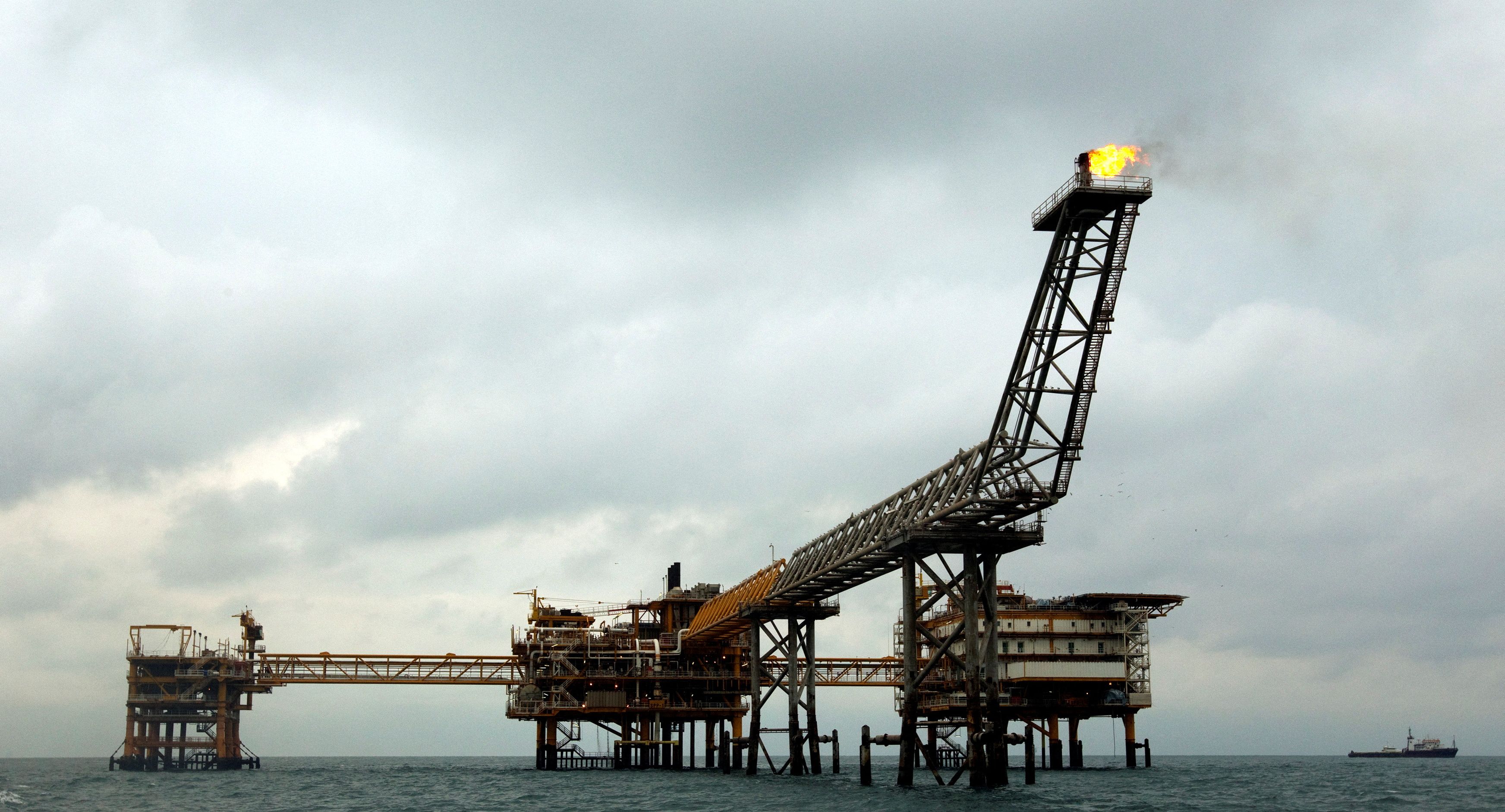
Fars Körfezi, yaklaşık olarak küresel petrol ihracatının %20'sine karşılık gelir; bunun çoğu Küresel petrol ihracatının %20'si, Hormuz Boğazı üzerinden taşınır; bu dar geçit, kapanmalara ve artan askeri alarma maruz kalmıştır.
Körfez enerji altyapısında meydana gelen herhangi bir uzun süreli kesinti şu hususları etkiler:
-
Dünya petrol ve gaz arz dengeleri
-
Nakliye ve sigorta maliyetleri
-
Asya ve Avrupa'da enerji erişilebilirliği
Analistler, Körfez ihracatlarına hızlı alternatiflerin mevcut küresel tedarik yapılarında az olması nedeniyle jeopolitik krizler sırasında dünyanın enerji piyasalarının özellikle savunmasız olduğunu söylüyor.

Bölgesel Tepkiler ve Diplomatik Gerilimler
Körfez Devletlerinden Kınamalar
Körfez hükümetleri, Katar ve BAE dahil olmak üzere, enerji altyapısına yönelik saldırıları şiddetle kınadı ve artan şiddetin bölgesel istikrarı zayıflatacağını belirtti.
Daha geniş jeopolitik dinamikler
Çatışma şimdi şu alanları etkiliyor:
-
İran’ın ABD ve İsrail güçleriyle doğrudan karşı karşıya gelmesi
-
Gulf ülkeleri arasında gerilimi azaltma ile savunma arasındaki denge
-
Diğer bölgesel aktörlerden diplomatik çözümler için çağrılar
Suudi Arabistan ve diğer Arap devletleri temkinli olmaya çağırdı; kendi topraklarına veya enerji varlıklarına yönelik saldırıların misilleme tedbirlerini tetikleyebileceğini ve dış güçleri daha doğrudan dahil edebileceğini belirtti.
Sırada ne var?
İzlenecek senaryolar
Tırmanış:
-
Körfez enerji altyapısına yönelik doğrudan saldırılar
-
Dış askeri güçlerin daha geniş ölçüde müdahalesi
-
Petrol ve LNG piyasalarında uzun vadeli kesintiler
Gevşeme:
-
İran, Körfez ülkeleri ve küresel güçler arasındaki diplomatik temas
-
Ateşkesler veya taraflar arasındaki çatışmaların müzakere edilerek geçici olarak durdurulması
Enerji Piyasası Etkisi:
| Senaryo | Petrol Fiyatları | Tedarik güvenliği |
|---|---|---|
| Devam eden çatışma | ↑↑ | Yüksek risk |
| Gevşeme | ↔ / ↓ | Orta risk |
| Altyapıya Yönelik Hedefli Saldırılar | ↑↑↑ | Şiddetli risk |
Sonuç
İran’ın Körfez enerji sahalarına yönelik tehditleri, 2026 Orta Doğu çatışmasında tehlikeli yeni bir aşamayı işaret ediyor; bunun bölgesel sınırların ötesine uzanan etkileri var. Büyük bir gaz sahası saldırısı şimdi komşu ülkelerdeki enerji altyapısının hedef alınabileceğine dair uyarıları tetikledi; bu da jeopolitik riski artırıyor, enerji fiyatlarını yükseltiyor ve Körfez ülkelerini ve küresel piyasalarda daha geniş bir çatışmanın olasılığını artırıyor.
Politika yapıcılar ve enerji piyasaları da yakından izliyor; Körfez'deki her gelişme küresel tedarik zincirleri ve ekonomik öngörüler üzerinde yankı buluyor.
Sonraki yazıyı oku
İran enerji uyarısı | Menenjit salgını | Avrupa Trump'ı reddediyor | Kolombiya-Ekvador gerginlikleri
Home Decor Shop
 Acacia frida deluxe solid wood bed frame |
Bedroom bench |
Bed chest drawers |
Lingerie dresser |
Frame base |
Mirror with jewelry storage |
30 Bathroom Vanity |
Memory foam queen mattress |
Mattresses for back pain |
Nightstand set of 2 |
Grand Goldman Shop |
Civil Lawyer
Deutschland Trikot WM 2026
Acacia frida deluxe solid wood bed frame |
Bedroom bench |
Bed chest drawers |
Lingerie dresser |
Frame base |
Mirror with jewelry storage |
30 Bathroom Vanity |
Memory foam queen mattress |
Mattresses for back pain |
Nightstand set of 2 |
Grand Goldman Shop |
Civil Lawyer
Deutschland Trikot WM 2026










