

Ponds are a beautiful addition to any landscape, offering a peaceful retreat and a thriving habitat for aquatic life. As someone with years of experience in pond care and aquatic ecosystems, I understand how important it is to maintain both thehealthandaesthetic appealof your pond.
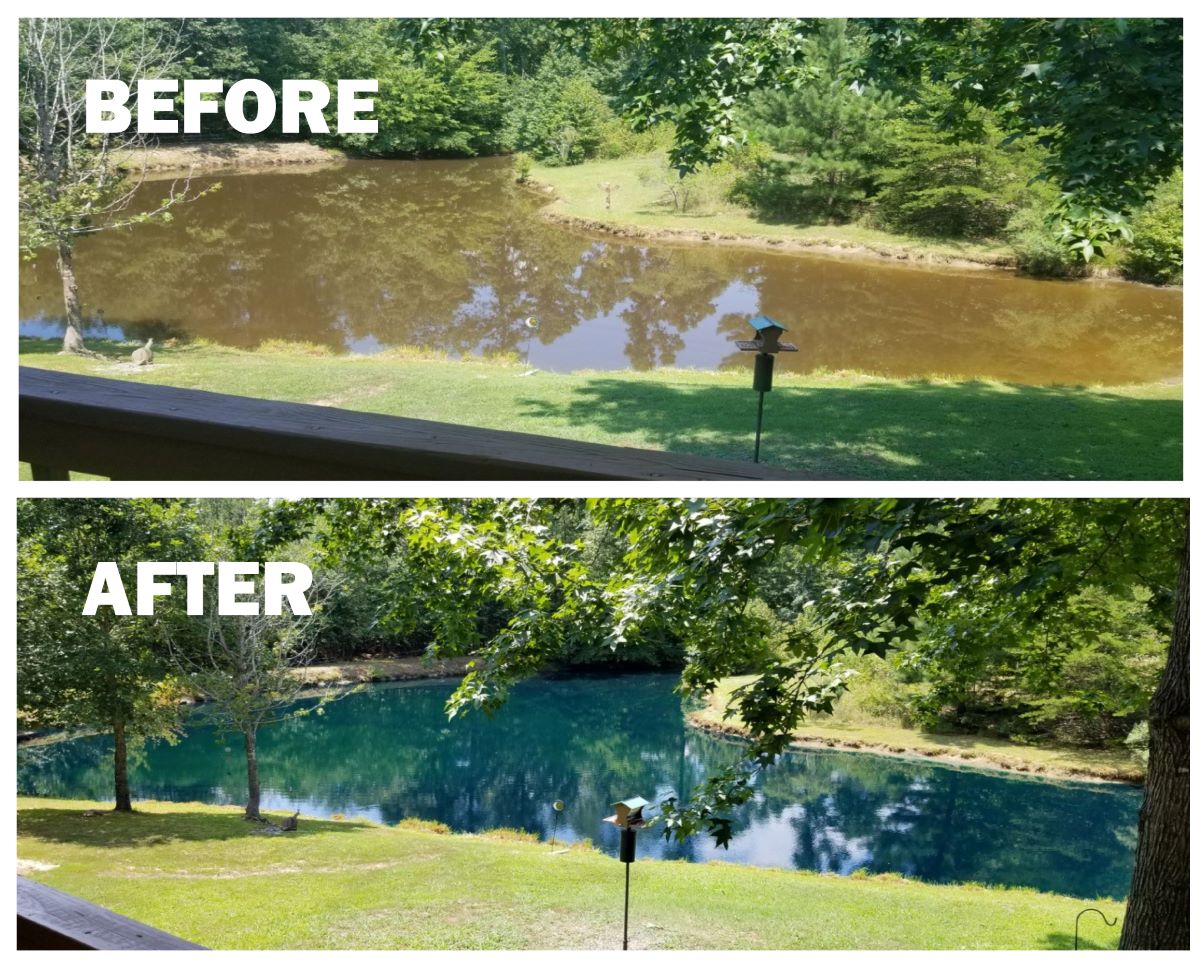
One popular method to enhance the look of a pond is usingpond dye. This product can transform a dull, murky pond into a stunning, vibrant water feature that complements your outdoor space beautifully.
Find Original, High-end Home Decor that spark conversation at Grand Goldman Shop.
However, a question I frequently encounter from fellow pond owners is:is pond dye safe for fish? This concern is absolutely valid because the well-being of your fish and other aquatic wildlife should always come first. Through my extensive research and hands-on experience, Ive learned that not all pond dyes are created equal. The right type ofnon-toxic pond dyecan safely improve water clarity and reduce algae growth without harming your fish or disrupting the ponds natural balance.
In this article, I will share expert insights on thesafety,benefits, and proper use of pond dyes. Youll discover how to choose the best product and apply it responsibly to keep your pond both beautiful and healthy. By the end, youll be equipped with trustworthy knowledge to confidently decide if pond dye is the right choice for your aquatic environment.
1. Understanding Pond Dye and Its Uses
Pond dyes are concentrated colorants added to water bodies. Their primary role is aesthetic, enhancing pond colors for visual appeal.
These dyes create striking effects, instantly changing the look of dull ponds. They offer a simple way to achieve desired pond colors without complex treatments.
Apart from aesthetics, dyes serve practical purposes too. They reduce sunlight penetration, which can curb excessive algae growth.
Pond dyes are used in both residential and commercial settings. They provide an effective solution for pond owners seeking both beauty and function.
2. The Safety of Pond Dye for Aquatic Life
The safety of pond dye is crucial, especially for fish and other aquatic life. High-quality pond dyes are generally non-toxic when used correctly. It's essential to follow the manufacturer's guidelines on dosage to prevent any negative effects.
When added to a pond, dyes pose no harm to fish or other creatures. They don't interfere with the natural behaviors of aquatic life, such as feeding and swimming. Fish remain unstained and healthy, even in dyed water.
Its also noteworthy that pond dyes are beneficial in many ways. By limiting sunlight, they help protect fish from predators. Dyes can also enhance the pond ecosystem by reducing algae bloom.
While pond dyes are safe, it's wise to monitor fish after application. Watching for any unusual behavior ensures that your pond environment remains stable and healthy.
Choosing dyes specifically labeled as safe assures optimal pond health. These dyes offer peace of mind and aesthetic value.
Selecting the Right Pond Dye
Selecting the right pond dye is vital for a safe, beautiful pond. Not all dyes are created equal, and some may not suit all ponds. Always choose high-quality products that specify they are non-toxic.
Consider the ponds purpose when selecting a dye. Some owners prefer natural-looking colors like blue dye in pond settings, mimicking natural water hues. Others may choose black dye for a sleek, reflective surface.
When in doubt, consult experts or retailers familiar with pond maintenance. Knowledgeable advice can guide you in choosing the best dye. Tractor supply pond dye options also offer reliable choices, often catering to various needs.
Check local regulations before buying a pond dye. Some areas may restrict certain chemicals or colors, so compliance is key. By choosing wisely, pond owners can ensure both aesthetic appeal and safety.
Benefits of Using Pond Dye
Using pond dye offers several compelling benefits. Beyond enhancing the ponds visual appeal, dyes contribute to the environments health. They effectively manage algae by limiting sunlight exposure.
Dyes can also make ponds more strikingly beautiful without disturbing the ecosystem. They reduce predator visibility, creating a safer environment for fish.
Benefits include:
- Aesthetic enhancement with attractive pond colors
- Algae control through reduced sunlight penetration
- Improved predator protection for fish
- Low-maintenance solution thats easy to apply
These benefits make pond dyes a practical choice for pond owners. They improve the ponds look and safety efficiently. By opting for pond dyes, owners enjoy a vibrant, healthy pond with minimal effort.

Fishing Guides
Best Peacock bass fishing spots Florida | Fish taxidermy cost | What is inshore Fishing| Catching boundary water fish with braided line
3. How to Properly Dye a Pond
Properly applying pond dye ensures both aesthetics and fish safety. Start by selecting the right amount of dye for your pond. Its crucial to calculate the pond's volume accurately for optimal results.
Before application, check for weather conditions. Calm, clear weather allows for even distribution of the pond colorant. This helps prevent patchy or uneven coloring throughout the pond.
Slowly add dye at various points around the pond. This helps distribute the color evenly and reaches all areas effectively. Remember that less is more, and you can always add more dye if needed.
After applying the dye, observe the water's movement. Allow time for the dye to circulate fully. This ensures that the coloring blends well into the water, enhancing the overall appearance.
Step-by-Step Guide to Dyeing Your Pond
Begin by donning protective gear, such as gloves and goggles. This prevents skin contact and staining during the dyeing process. Next, pour a pre-measured amount of dye into the pond.
Distribute the dye evenly by pouring it into multiple spots around the pond. This helps ensure complete, consistent coverage of the water. Stir the water gently to aid in dispersing the dye effectively.
Allow the dye to mix naturally through the ponds circulation. Avoid stirring too vigorously, as this might disturb the pond bed. Gradual mixing yields a smoother distribution of color.
Monitor the pond for a few days post-application. Check for complete and uniform color blending. This step ensures that the dye has effectively transformed the pond while being safe for fish.
4. Common Pond Dye Colors and Their Effects
Pond dyes come in a variety of colors, each offering unique benefits. The choice of color primarily depends on your aesthetic preference and the natural environment.
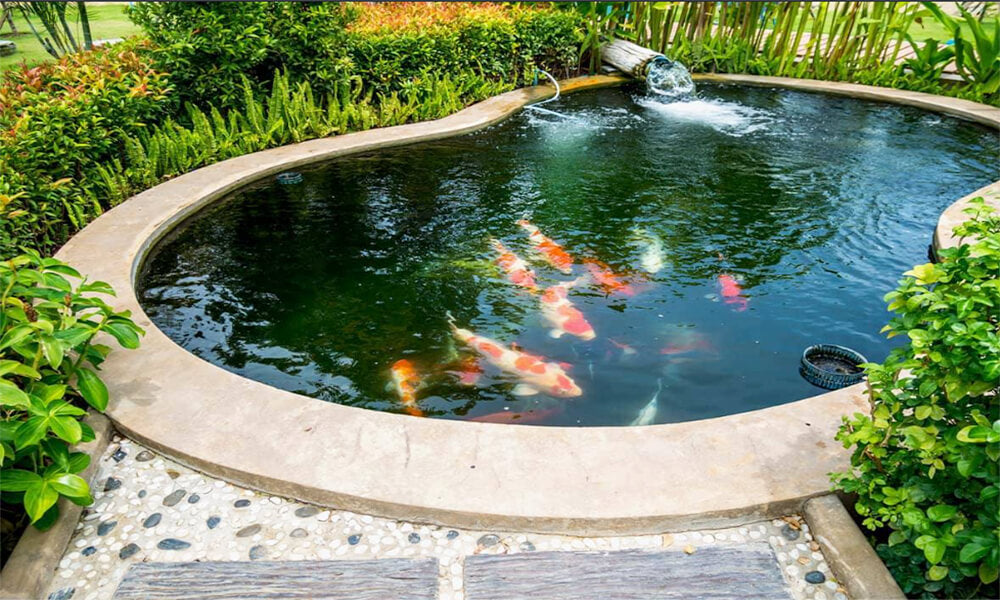
Blue pond dyes are popular for creating natural-looking waters. They often enhance the appearance of clearer, more inviting blue waters in ponds. This can transform mundane ponds into stunning features.
Black pond dyes, on the other hand, create striking reflections. They deliver a deeper, mirror-like surface that can complement landscaped surroundings perfectly. This choice amplifies the elegance of garden ponds.
Choosing the right pond dye involves considering not just aesthetics, but how each color interacts with light. The resultant color outcome can influence the ponds visibility and vibrancy, contributing to its overall charm and tranquility.
Blue and Black Pond Dyes
Blue pond dye remains a favorite for its vibrant, clear-water look. It's perfect for ponds aiming for a natural, serene appearance. This color is versatile across different pond environments.
Black pond dye, however, creates dramatic reflections. It deepens the water's look, giving it a mysterious, mirror-like quality. This choice can enhance the visual impact of water features.
Alternative Pond Dye Colors
Sometimes, pond owners may seek alternative hues like red or green. Red dye is rare but bold, adding a unique flair for special occasions. Its a striking choice for cultural or themed events.
Green dye offers a natural, earthy tone. It resembles natural bodies of water and blends beautifully with lush surroundings. Each of these alternative colors adds a distinct personality to any pond.
5. How Long Does Pond Dye Last?
Pond dye longevity varies with environmental factors. Typically, a high-quality dye can last anywhere from several weeks to a few months. This duration largely depends on water flow, sunlight exposure, and rainfall.
Regularly monitoring the pond can help determine when to reapply the dye. Factors like increased evaporation or water movement may reduce the dye's lifespan. Maintaining optimal conditions ensures your pond retains its desired appearance.
6. Pond Dye Maintenance and Health Checks
Maintaining your pond after dye application is crucial. Regular checks ensure that the dye is still effective and not harming aquatic life. It's essential to monitor water clarity and color periodically.
Observing fish behavior can provide insight into the pond's health. Sudden changes in activity might indicate an issue. Address concerns promptly to maintain a balanced ecosystem.
Routine water quality testing is recommended. This helps detect any changes that could affect dye performance or fish health. pH levels and oxygen concentrations should remain within safe ranges.
Additionally, inspect pond edges for signs of fading. Natural elements like rain can dilute the dye. Reapplying as needed helps keep your pond vibrant and safe for fish.
7. Addressing Common Concerns and Myths
Many believe pond dye harms fish, but this is not true if used correctly. High-quality dyes are safe and pose no threat to aquatic life.
Another myth is that pond dye stains wildlife. In reality, these dyes only temporarily color plants and rocks, fading over time without permanent effects.
Conclusion: Embracing Pond Dye with Confidence
Pond dye can enhance aesthetics and benefit pond health without harming fish. Choosing non-toxic, eco-friendly options ensures safety for aquatic life.
With the right product and mindful application, pond dye can transform your water feature beautifully. Approach dyeing with care, and enjoy vibrant, thriving waters with peace of mind.
Browse the Shop
 Acacia frida deluxe solid wood bed frame |
Bedroom bench |
Bed chest drawers |
Lingerie dresser |
Frame base |
Mirror with jewelry storage |
30 Bathroom Vanity |
Memory foam queen mattress |
Mattresses for back pain |
Nightstand set of 2 |
Grand Goldman Shop |
Civil Lawyer
Deutschland Trikot WM 2026
Acacia frida deluxe solid wood bed frame |
Bedroom bench |
Bed chest drawers |
Lingerie dresser |
Frame base |
Mirror with jewelry storage |
30 Bathroom Vanity |
Memory foam queen mattress |
Mattresses for back pain |
Nightstand set of 2 |
Grand Goldman Shop |
Civil Lawyer
Deutschland Trikot WM 2026







